The extinction of the dinosaurs allowed small mammals to diversify, eventually leading to the emergence of humans. However, the planet we inherited was affected by the loss of the giant animals that had inhabited it for tens of millions of years.

Although observing a living dinosaur would have been remarkable, humans probably would not have evolved had these giants not disappeared long beforehand. After dinosaur extinction, the small mammals that had shared their world were able to diversify into lineages that ultimately gave rise to humans.
Humans did not, however, inherit an unchanged planet. Recent studies suggest that dinosaur extinction had a major impact on the environment and Earth’s fertility.
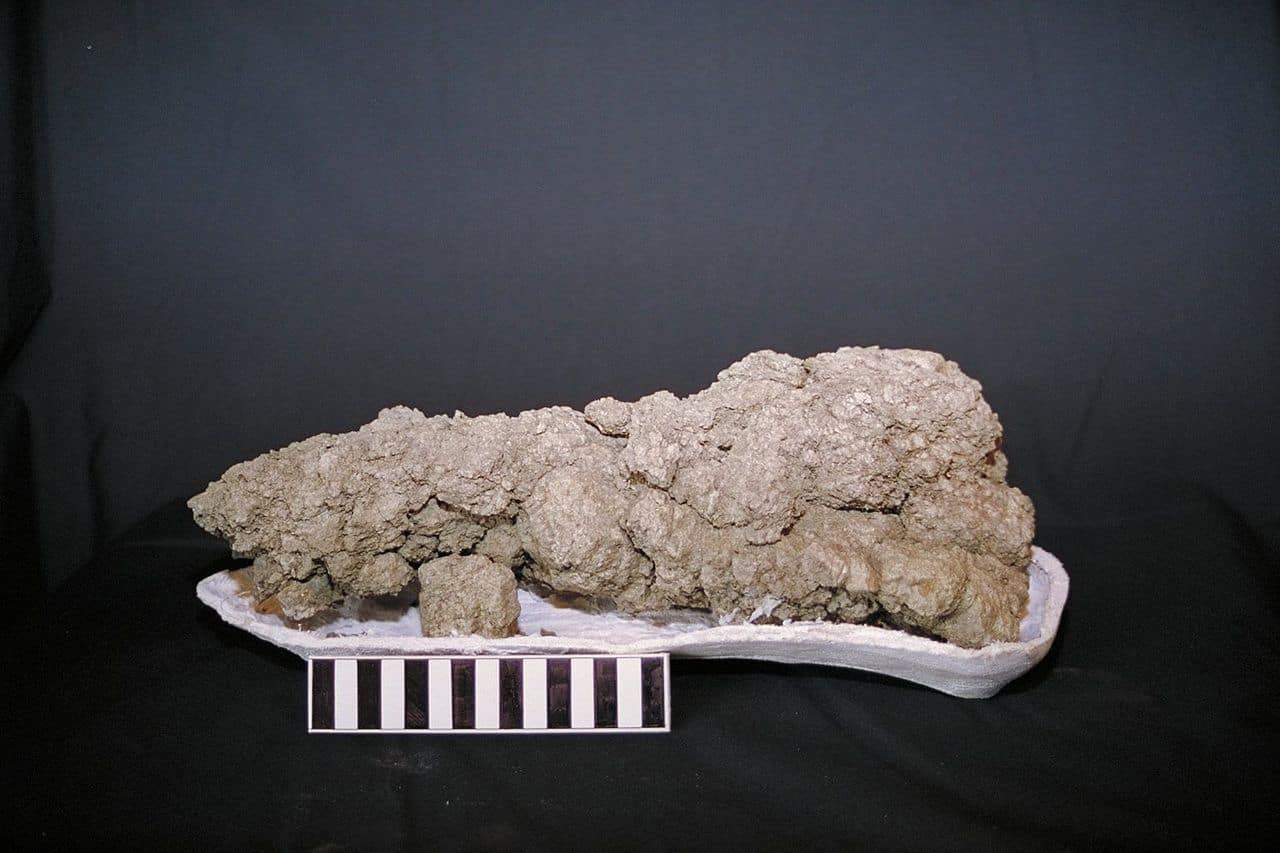
Dinosaurs included the largest animals ever to walk on land and consequently produced large quantities of natural fertiliser through their faeces. Researchers suggest that Earth was more fertile during the age of dinosaurs because large species produced much more faecal material than smaller animals. Large dinosaurs also travelled greater distances, distributing the nutrients in their faeces over wider areas.
The researchers who published the study in Proceedings of the National Academy of Sciences stated: “Animals play an important role in transporting nutrients, but this role has declined as many large animals have become extinct or suffered severe population losses. The past was a world dominated by giants, with abundant whales in the seas and large animals roaming the land.”
The research team compared nutrient dispersal on land, in water and through the air across different time intervals, analysing concentrations of elements deposited over time. They concluded that nutrient dispersal is approximately 92% lower on land than during the age of dinosaurs and approximately 95% lower in the oceans.
According to the study, marine mammals, fish, seabirds and terrestrial animals once formed an interconnected system that recycled nutrients from the deep ocean into continental interiors. Marine mammals transported nutrients from the ocean floor to the surface, birds and fish carried them from offshore waters to land, and large terrestrial animals distributed them farther inland.
Although large animals such as elephants and whales still exist, many of the largest animals ever to inhabit Earth disappeared long ago. The largest land animals were titanosaurs, a group of herbivorous sauropod dinosaurs. The largest titanosaur discovered to date was Patagotitan mayorum, found in South America. This giant could reach 37 metres in length and 15 metres in height, with a mass of up to 69 tonnes. Titanosaurs produced substantial quantities of faeces that fertilised the soil, and their wide-ranging movements dispersed nutrients over large areas. South America, where the enormous Patagotitan mayorumlived, appears to have been particularly affected by the extinction of titanosaurs, which were abundant in the region.

Earth still has a giant: the blue whale, the largest animal ever to live. However, its population has declined considerably in recent centuries, as have those of elephants and other large living animals. Without large animals to accelerate nutrient release through digestion and defecation, nutrients in plant material are released and distributed more slowly, adversely affecting ecosystems worldwide.

