
Dinosaur and other prehistoric reptile teeth are among the best-known fossils. From Tyrannosaurus rex to Triceratops, sauropods, mosasaurs and pterosaurs, these specimens provide evidence of life millions of years ago and contribute […]
Blog
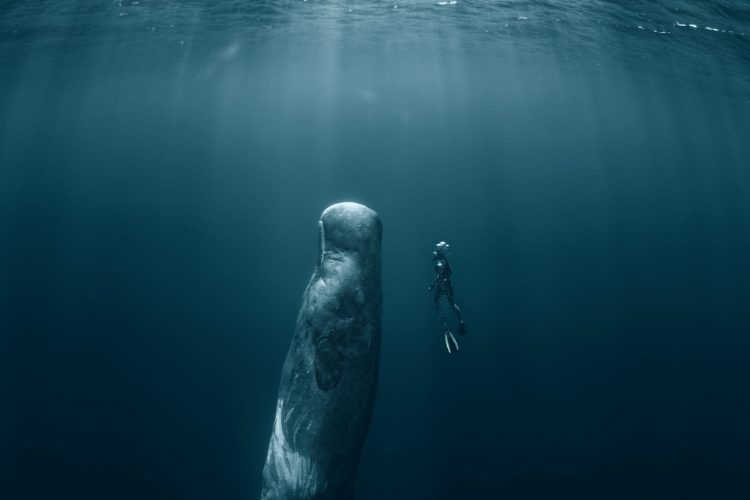
The global ocean comprises five oceans: the Pacific, Atlantic, Indian, Arctic and Southern oceans. Although it covers more than 70% of Earth’s surface, over 80% remains unexplored, and only 5% of the ocean floor has been mapped. Challenger Deep, in the Mariana Trench in the Pacific Ocean, is the deepest point […]
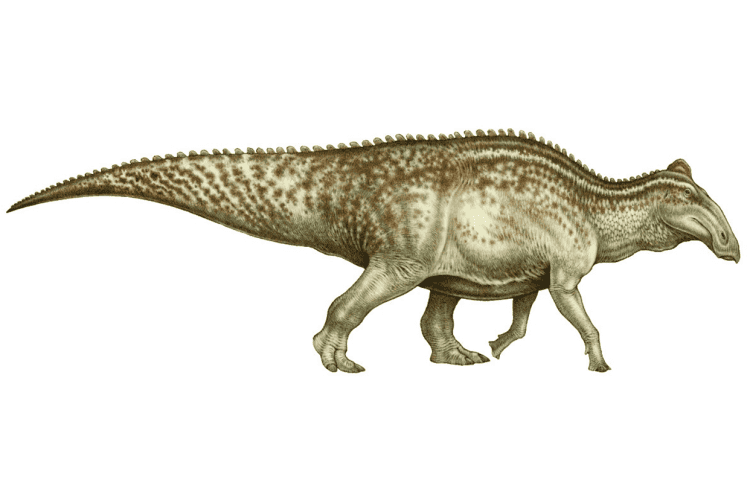
Edmontosaurus included some of the largest dinosaurs of its time and some of the last non-avian dinosaurs. Its characteristic duck-like bill makes it readily recognisable, and the large number of fossils discovered has provided extensive information about this extinct genus. The name Edmontosaurus means “reptile from […]

Transylvanosaurus platycephalus, or the “flat-headed reptile from Transylvania”, is a dwarf dinosaur described as a new genus and species from Romania’s Hațeg Basin. The research was published in 2022 in the Journal of Vertebrate Paleontology. Its discovery provides new insights into the biogeographical history of the family Rhabdodontidae […]
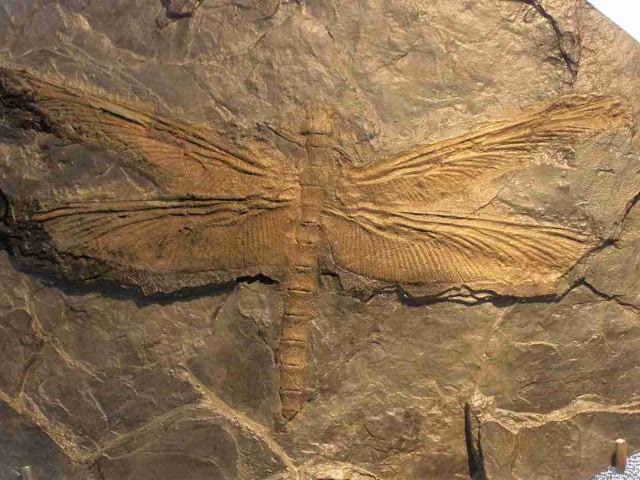
Meganeuropsis permiana was a giant dragonfly-like insect that lived before the dinosaurs and is considered the largest insect known to have existed. Around 300 million years ago, Earth differed considerably from the present day. During the Carboniferous and Permian periods, insects […]
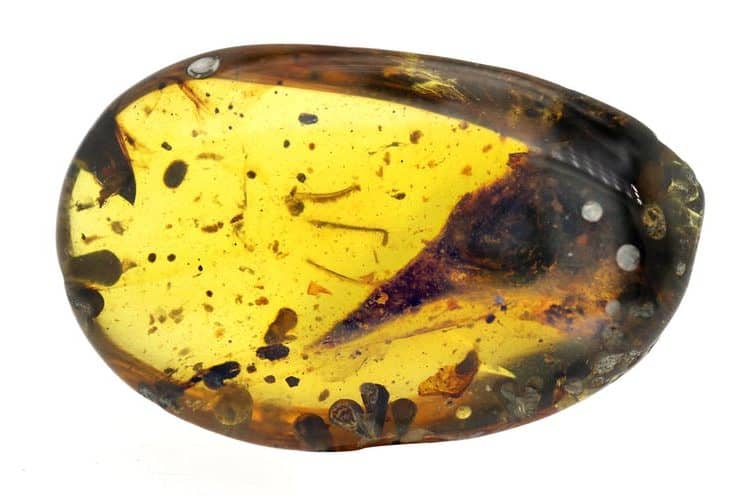
A head preserved in amber and dated to approximately 99 million years ago was initially interpreted as belonging to the smallest dinosaur yet identified. Amber has yielded numerous palaeontological discoveries, including prehistoric insects and dinosaur feathers, preserving […]
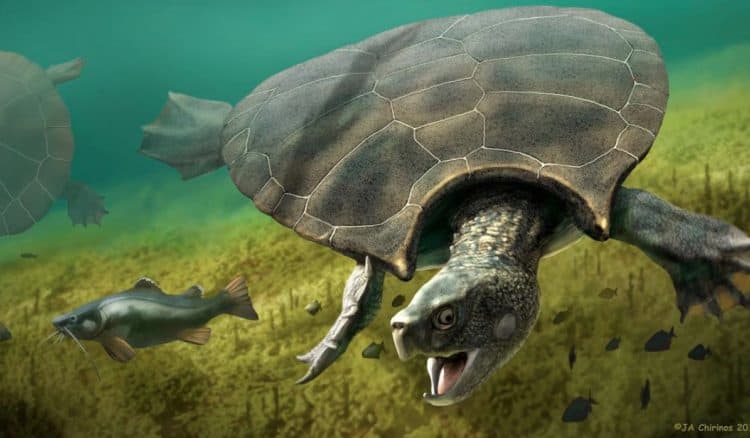
Fossils of a giant turtle, one of the largest known, have been discovered in South America. They belong to Stupendemys geographicus, which lived approximately 5–10 million years ago during the Miocene and reached a size comparable to a car. This giant turtle measured […]
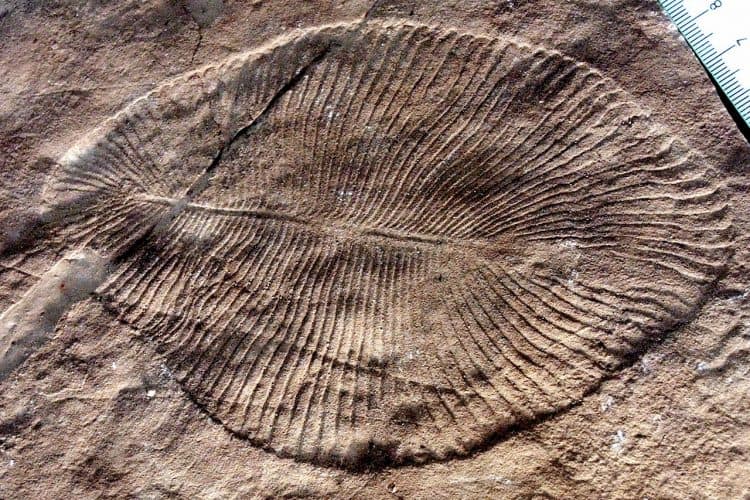
Identifying the earliest animal on Earth has been a long-standing scientific question. Research on Dickinsonia costata, an organism that lived approximately 558 million years ago, has provided evidence relevant to this question. The earliest traces of animals […]
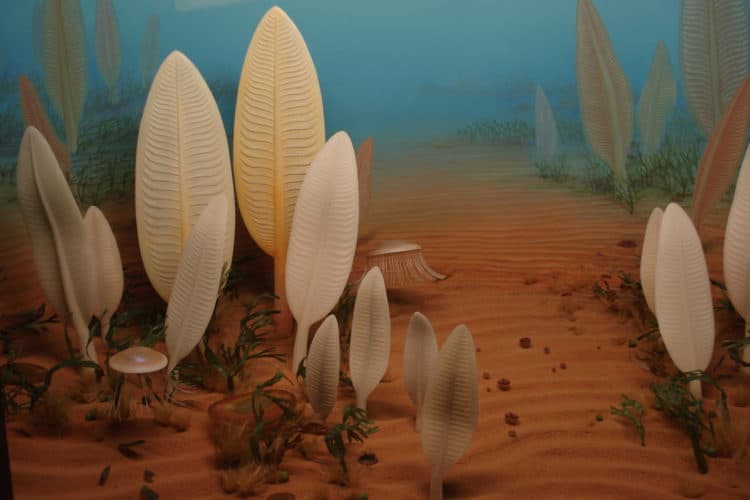
For approximately four billion years, life on Earth consisted of single-celled organisms. Around 575 million years ago, multicellular organisms appeared and began to diversify. The causes of this event, known as the Avalon explosion, remain uncertain. This […]

Tens of millions of years ago, Antarctica had a much warmer climate than it does today. Its flora and fauna differed considerably from those of the present day, and dinosaurs inhabited the continent. Palaeontologists have identified only five of the dinosaurs that […]
