The global ocean is the largest body of water on Earth and comprises five oceans: the Pacific, Atlantic, Indian, Arctic and Southern oceans. Although it covers more than 70% of the Earth’s surface, over 80% remains unexplored, and only 5% of the ocean floor has been mapped. Challenger Deep (Mariana Trench, Pacific Ocean) is the deepest point on the Earth’s surface, at 10,902 m below sea level. Throughout time, the deep oceans have been inhabited by unusual and often very large organisms, a natural phenomenon known as abyssal gigantism or deep-sea gigantism.

What is meant by “deep sea”?
The deep sea is generally considered to begin at depths greater than 200 m below sea level. Three depth zones are distinguished (Figure 2): the bathyal zone (below 200 m), the abyssal zone (below 4,000 m) and the hadal zone (below 6,000 m).
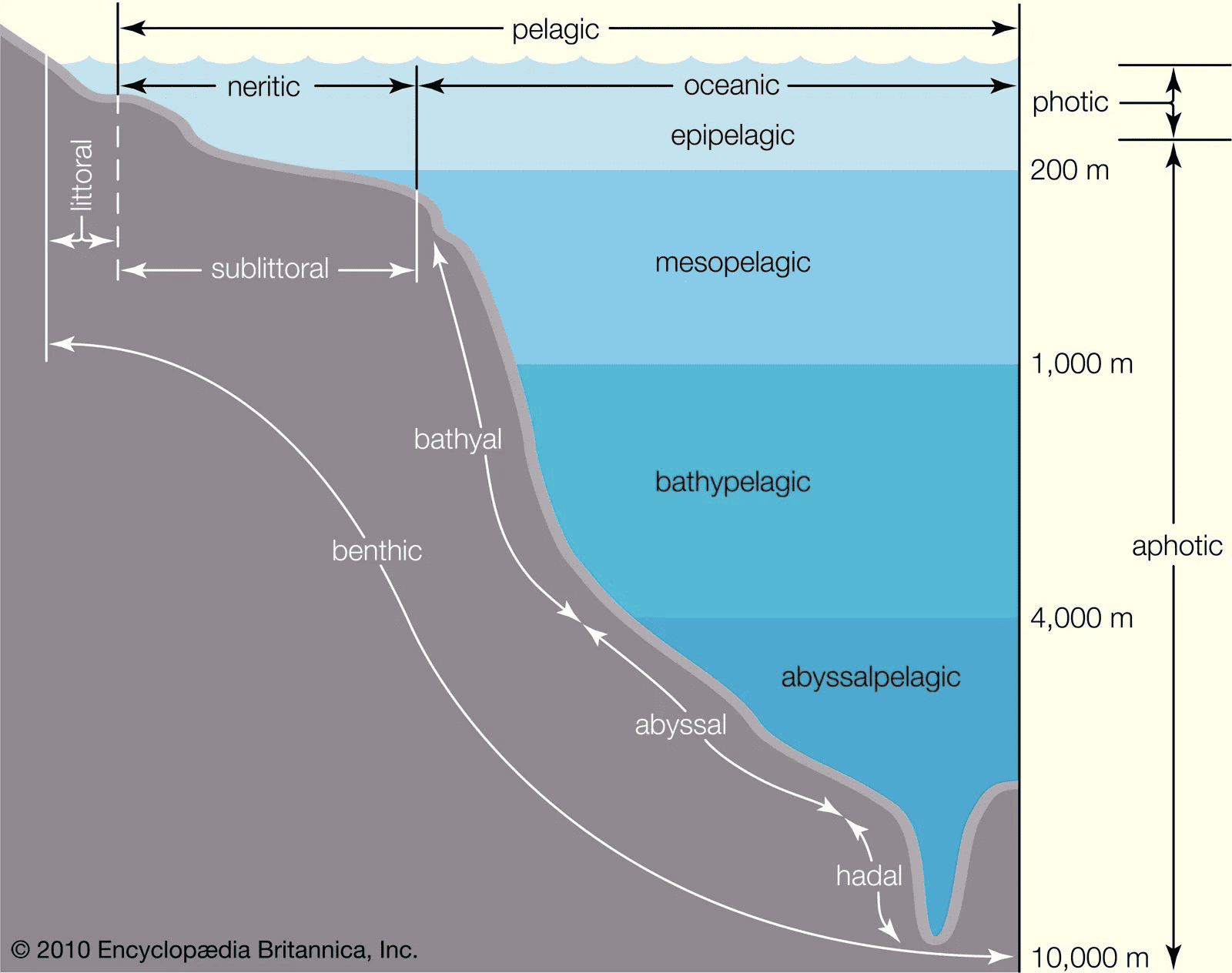
Exploring the deep sea
Deep-sea exploration presents several challenges, including high pressure, low temperatures and the absence of light.
According to NOAA (United States National Oceanic and Atmospheric Administration), pressure increases by approximately one atmosphere (1 atm) for every 10 m of descent. At a depth of approximately 6,000 m, hydrostatic pressure therefore approaches 600 atm, comparable to the weight of an elephant resting on a Romanian 50-bani coin. Submersibles are exposed to immense pressures, and even a small structural defect can cause an immediate, destructive implosion. Their design process therefore begins with computer simulations of component behaviour under high-pressure conditions. Physical prototypes are subsequently tested in the laboratory before the final submersible is deployed in the ocean.
Sunlight progressively attenuates as it penetrates water, eventually giving way to complete darkness. Three zones are distinguished according to light availability in the marine environment (Figure 3): the photic, or sunlit, zone (the upper 200 m), which supports photosynthetic vegetation; theoligophotic, or twilight, zone (below 200 m), with photosynthetic bacteria; and the aphotic zone (below 600 m), which receives no light. To compensate for the absence of light, submersibles require powerful lighting systems and alternative means of sensing their surroundings, such as sonar and laser scanners.
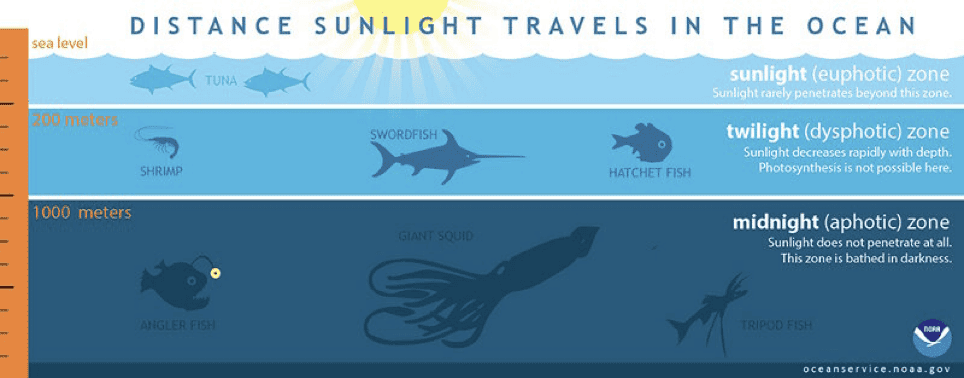
At a depth of 200 m, the average water temperature is 4 °C. In deeper waters, temperatures rarely exceed 3 °C and may fall to −1.8 °C. Submersible structures may contain components made from different materials, such as plastic and metal, which contract at different rates at low temperatures. Their joints, particularly those involving moving components, therefore present an additional design challenge.
What does the ocean floor look like?
The ocean floor is the part of the Earth’s crust beneath ocean water. Its varied topography formed mainly through the spreading and subduction of tectonic plates, with tides, ocean currents and waves playing a smaller role. Tectonic plates fit together like a spherical jigsaw above the Earth’s molten mantle. Mantle convection moves the plates very slowly. Where plates converge, one may slide beneath another, causing earthquakes and forming volcanoes or trenches. Where they diverge, magma rises between them, forming rifts, submarine volcanoes and hydrothermal vents (“underwater geysers” that release water heated by the Earth’s magma, together with dissolved minerals).
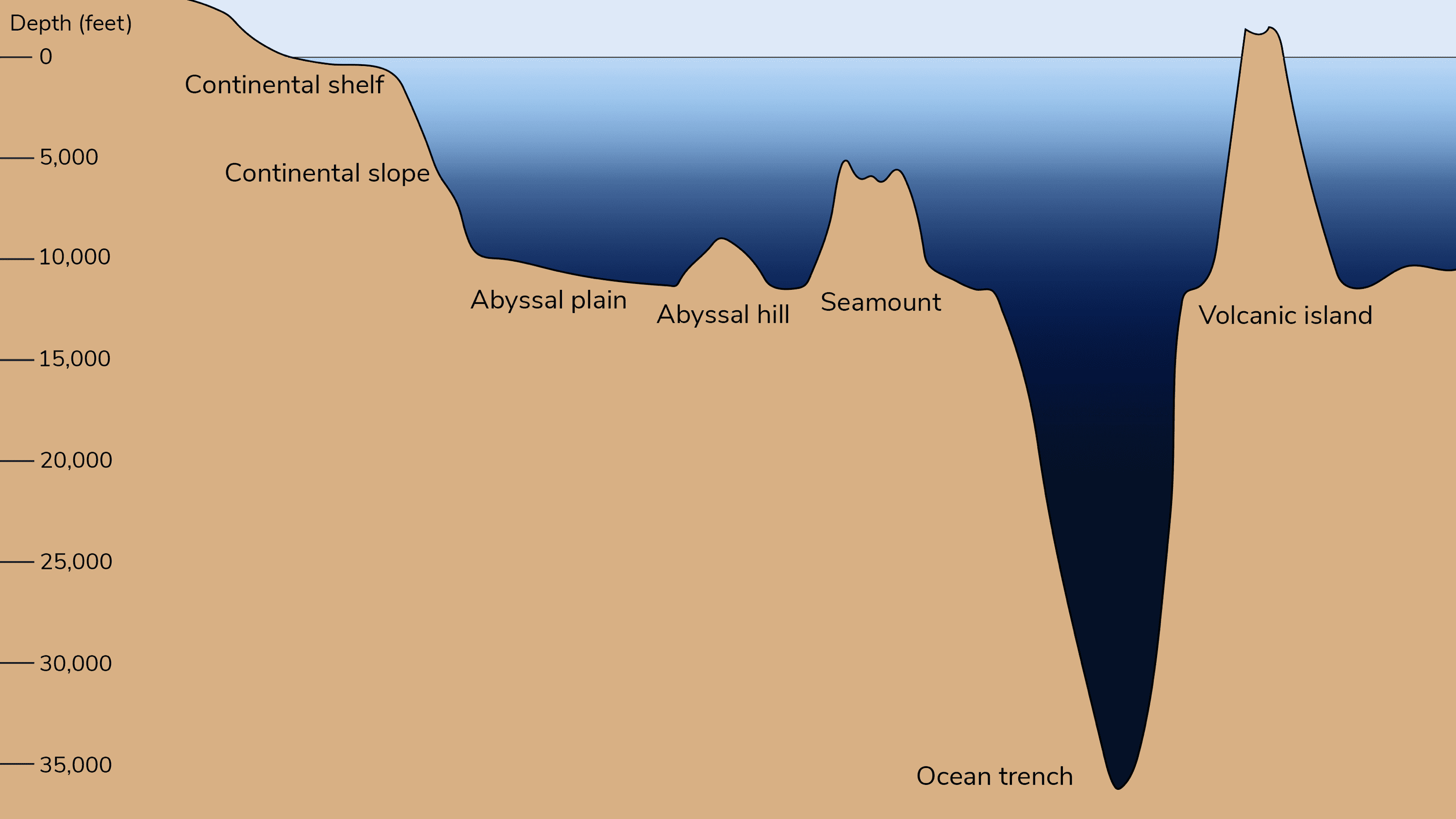
Ocean-floor topography comprises several principal zones (Figure 4):
- The continental shelf is a gently sloping extension of the coastal region. It forms the submerged margin of the continent and reaches depths of up to 200 m;
- The continental slope is a steep region marking the transition from continental to oceanic crust;
- The pelagic region (the plateau or abyssal plains) slopes gently and covers 70% of the ocean floor, forming what may be considered the “true ocean floor”. Despite the term “plains”, it is not entirely flat: submarine ridges, rifts and volcanoes occur within it;
- The abyssal region, or ocean trenches, comprises deep depressions reaching 6–11 km in depth, including the Mariana Trench. These features occupy approximately 1% of the global ocean’s surface area.
How have deep-sea animals adapted to survive?
The deep oceans are extreme environments characterised by high pressure, the absence of sunlight, low temperatures, limited food and lower oxygen concentrations. Such conditions would be lethal to fish adapted to surface waters. Deep-sea fish have evolved adaptations that enable survival under these conditions. The application Deep Sea ID, released by the Natural History Museum in London, provides a photographic gallery of diverse deep-sea species.
Fish generally possess the ability to float, termed buoyancy. The downward and upward forces acting on a fish are approximately balanced, resulting in neutral buoyancy. Because fish are denser than water, they maintain buoyancy using the swim bladder, a sac-like organ with a hydrostatic function. The fish’s specific weight—the ratio of weight to volume—is therefore adjusted to its swimming depth, making it effectively “weightless” and allowing it to move through the water column with minimal effort. Deep-sea fish generally lack a gas-filled swim bladder, or it has limited function, and have evolved other adaptations, including reduced tissue density.
At a depth of 1,000 m in the bathyal zone, pressure is approximately 100 atm. Nevertheless, animals swim freely in prolonged darkness. Pressure is less of an obstacle because deep-sea animals consist largely of water and are therefore not crushed by it. Life exists even at the deepest point in the ocean, Challenger Deep – where life is present. To date, Pseudoliparis swirei (“Mariana snailfish”) is the fish recorded at the greatest depth, capable of surviving 8,000 m below sea level, where pressure is approximately 800 times greater than at the surface.
Below 200 m, in the mesopelagic zone, light is insufficient to support photosynthetic organisms such as plants, algae and phytoplankton. The mesopelagic food web depends on organic matter sinking from surface waters, including faecal pellets, plankton and plant or animal debris. This “marine snow” is the principal energy source for these organisms.
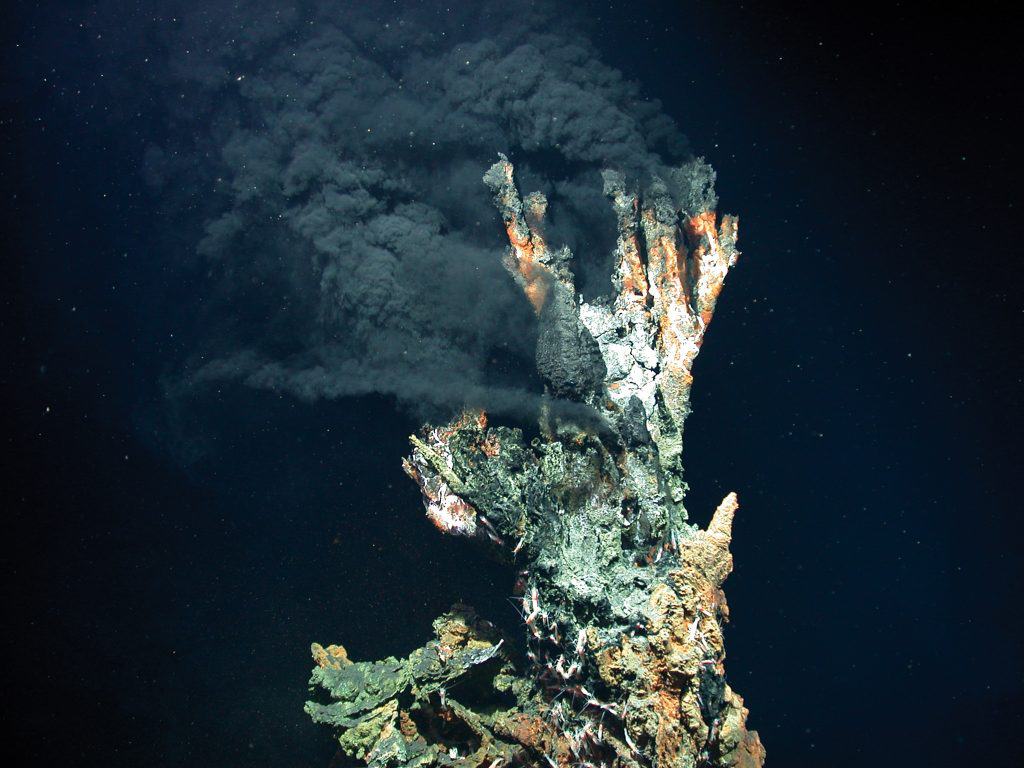
On the ocean floor, in addition to marine snow, bacterial colonies survive around hydrothermal vents through chemosynthesis, a process that enables them to obtain energy from minerals released from the Earth’s crust (Figure 5). These bacteria form the basis of distinctive food chains and are consumed by larger organisms such as crabs and molluscs. Some researchers propose that the earliest forms of life on Earth originated around hydrothermal vents, where life can exist without sunlight and at great depths. For further information about the earliest animals on Earth, see The first animals: when did they appear and how did they evolve? and Dickinsonia costata: the oldest animal identified to date on DinoShop.ro.
Many deep-sea fish live in near-total darkness and have evolved adaptations to locate prey, avoid predators, communicate and find mates. More than 50% of deep-sea fish have developed bioluminescence, enabling them to produce light, as fireflies do. Bioluminescent organisms generate light efficiently through the oxidation of a substance called luciferin, using only 1% of their energy for this purpose. A well-known example is the lanternfish, which accounts for 65% of the total biomass of deep-sea fish.
Deep-sea gigantism
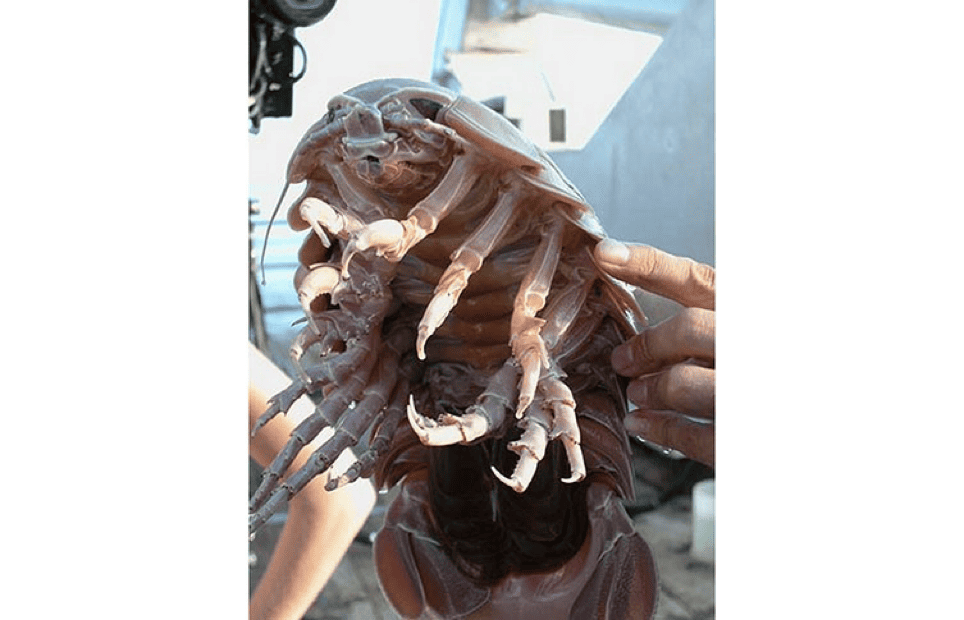
With increasing depth, animals may become larger and more unusual in appearance. Some attain sizes exceeding those of related species in surface waters. For example, isopods in surface waters rarely exceed a few inches in length, whereas deep-sea giant isopods can reach half a metre in length and 1.7 kg in mass (Figure 6). This phenomenon is termed deep-sea gigantism or abyssal gigantism.
Why do some deep-sea animals become giants?
This natural phenomenon is not necessarily intuitive, since a larger body might be expected to impede survival. The reasons why some abyssal organisms attain exceptional sizes remain uncertain. Marine biologists have proposed several hypotheses to explain this phenomenon, which is difficult to study.
Kleiber’s law states that larger animals tend to be more metabolically efficient. A whale with a body mass hundreds of times greater than that of a small fish therefore has a proportionally slower metabolism. As body size increases, the surface-area-to-volume ratio decreases, so a smaller fraction of metabolic energy is lost as heat. A lower metabolic rate is an important advantage for deep-sea animals, which must conserve energy because food is limited in both availability and quality.
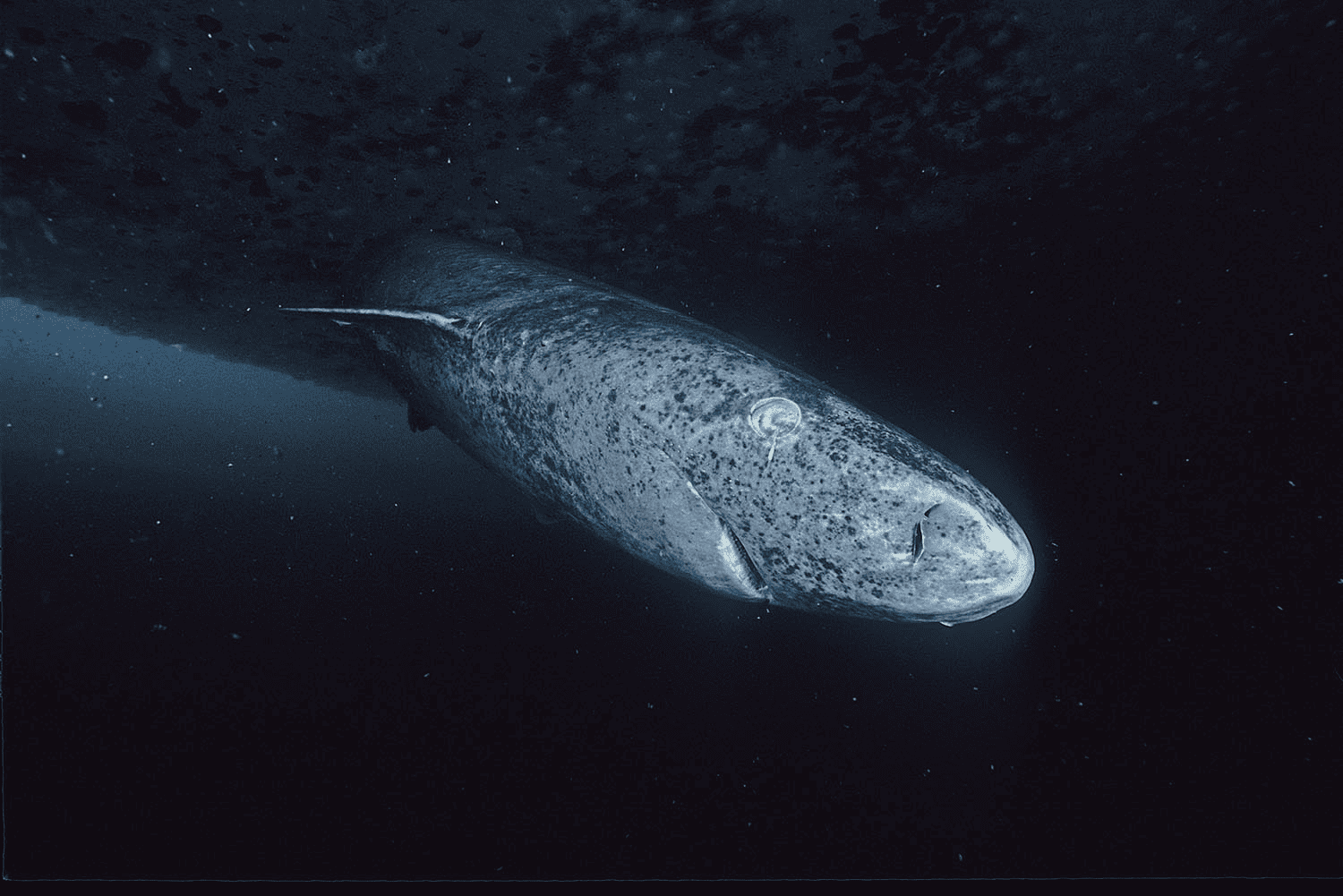
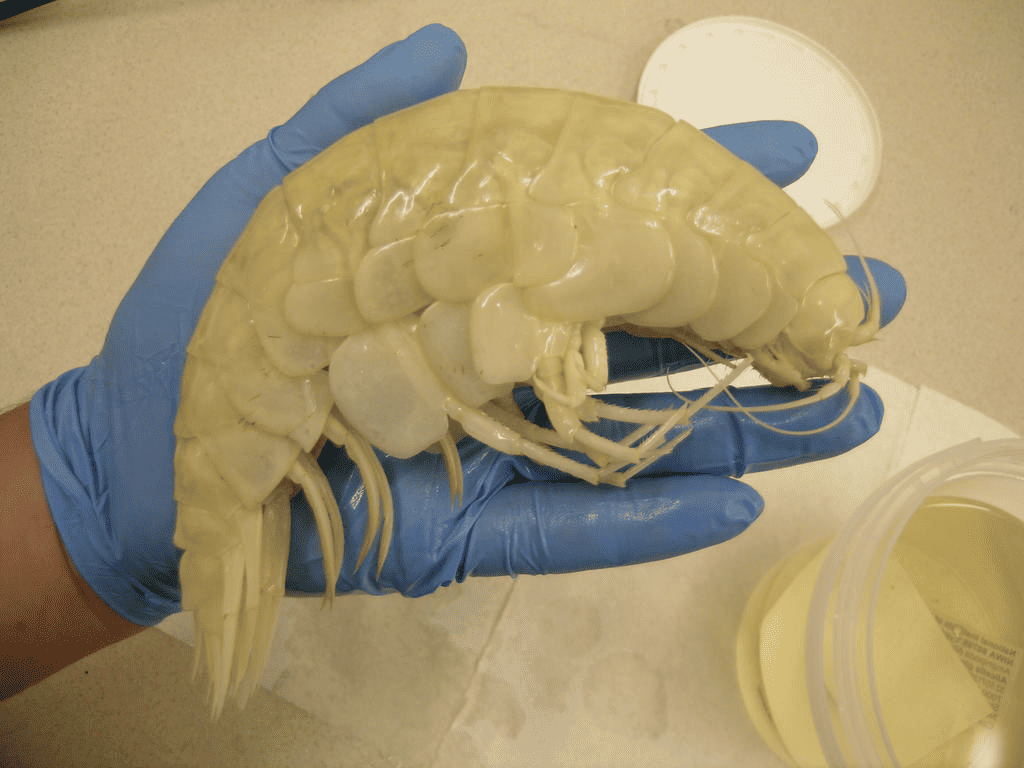
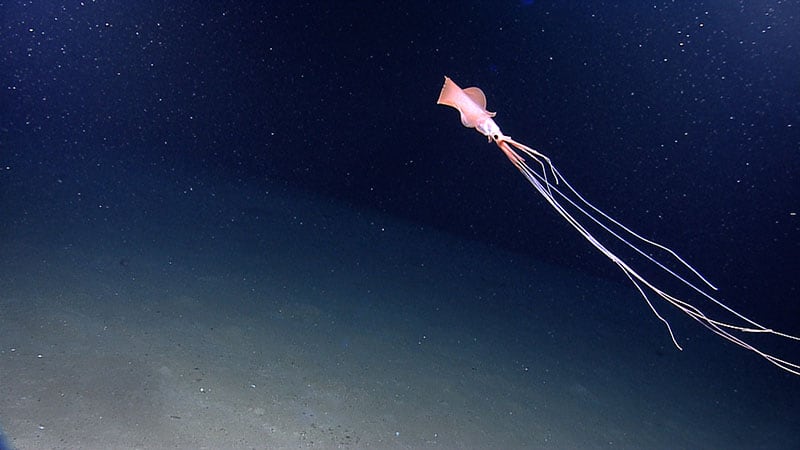
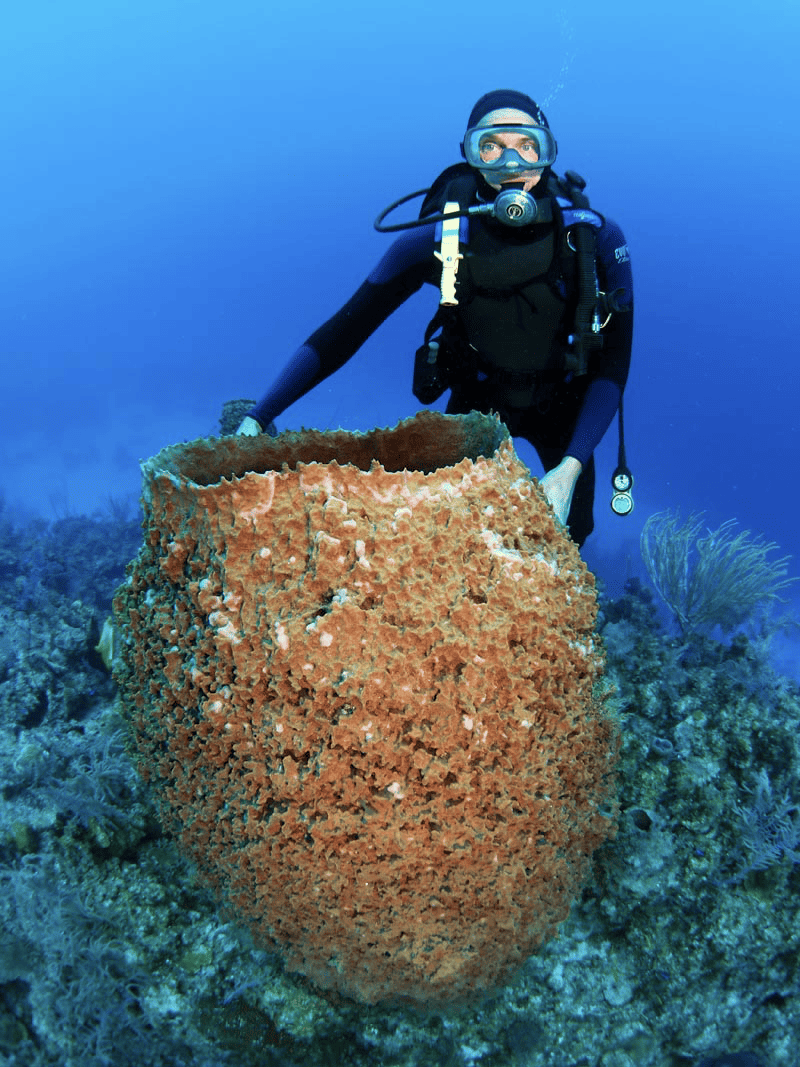
For example, in the hadal zone, animals known as amphipods (Alicella gigantea – Figure 7) have evolved enzymes that enable them to metabolise almost anything reaching the ocean floor, including wood. These crustaceans can consume detritus equivalent to twice their body mass each day. Another example is a cephalopod reaching up to 8 m in length, the “long-armed squid” of the genus Magnapinna (Figure 8). It resembles a string puppet, with long, slender arms extending towards deep-water zooplankton while the rest of the body remains higher in the water, concealed by darkness. Although deep-sea gigantism mainly affects invertebrates, it may also help explain the morphology of some vertebrates. The Greenland shark belongs to a group of deep-sea sharks known as “sleeper sharks” (Figure 9). They reach up to 7 m in length and can store substantial food reserves in their stomachs, allowing them to travel long distances without feeding frequently. As their name suggests, sleeper sharks are among the slowest sharks in the ocean, moving at approximately 0.3 m/s. Rather than hunting actively, they rely on a strong sense of smell to detect and consume particles of marine snow (see here for a closer view of marine snow). Their reduced metabolic rate is also associated with exceptional longevity, reaching 300–400 years. Another example is the giant sea sponge, a sessile animal that expends no energy on locomotion (Figure 10). It feeds by filtering marine snow and can reach the size of a van.
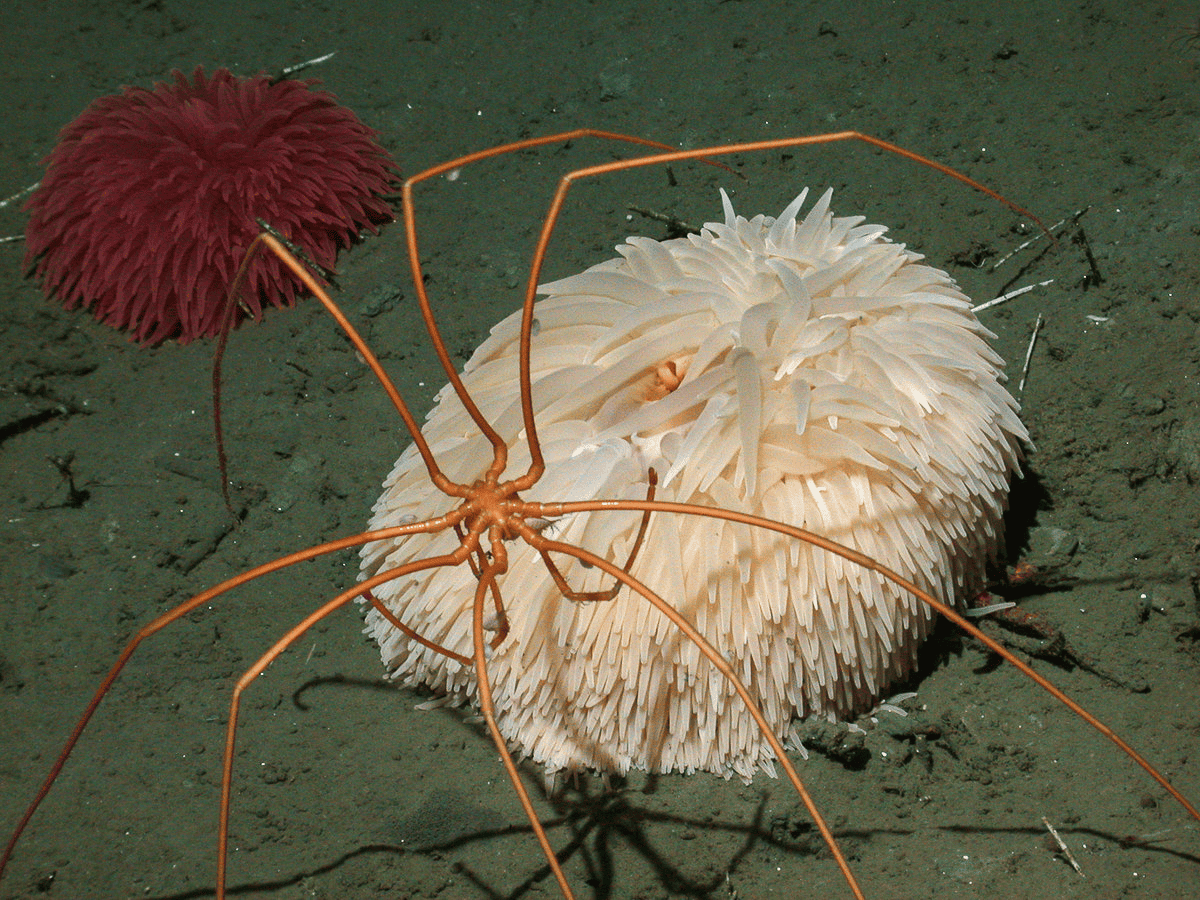
Bergmann’s rule states that marine animals in colder environments tend to be larger. Lower habitat temperatures are associated with larger cells, attributed to higher oxygen concentrations in polar waters, and longer lifespans resulting from reduced metabolic rates. This helps explain why gigantism is more prevalent at the poles, where sea spiders, sponges and marine worms can grow much larger than their relatives in warmer regions. Zoologists have found giant sea spiders of the species Decolopoda australis, measuring up to 60 cm across (Figure 11), whereas comparable sea spiders elsewhere may not exceed 1 mm. Slower metabolism reduces the activity rate of polar marine animals, while polar waters provide abundant oxygen. Together, these conditions increase the ratio of oxygen supply to demand, allowing the animals to sustain large bodies without exceeding their oxygen resources. Global warming threatens this delicate balance. Polar regions are particularly sensitive to climate change. As water warms, oxygen concentrations decline, potentially preventing these animals from sustaining their metabolic processes. They may also face an influx of invasive organisms against which they have not evolved defences, previously excluded by the constraints of the polar front.
In 1964, J. Bristol Foster compared 116 island-dwelling species with their mainland counterparts. He observed that some island animals had evolved larger bodies, a phenomenon known as insular gigantism, while others had evolved smaller bodies, termed insular dwarfism. He proposed that small animals become larger when predation pressure is low, whereas large animals become smaller when food resources are limited.
In 1973, biologist Leigh Van Valen formulated a principle based on Foster’s study, known as the island rule. It states that members of a species living and evolving on an island tend towards larger or smaller body sizes according to the resources available. For example, Galápagos tortoises have lived in isolation on islands for millions of years and are the largest tortoises on Earth.
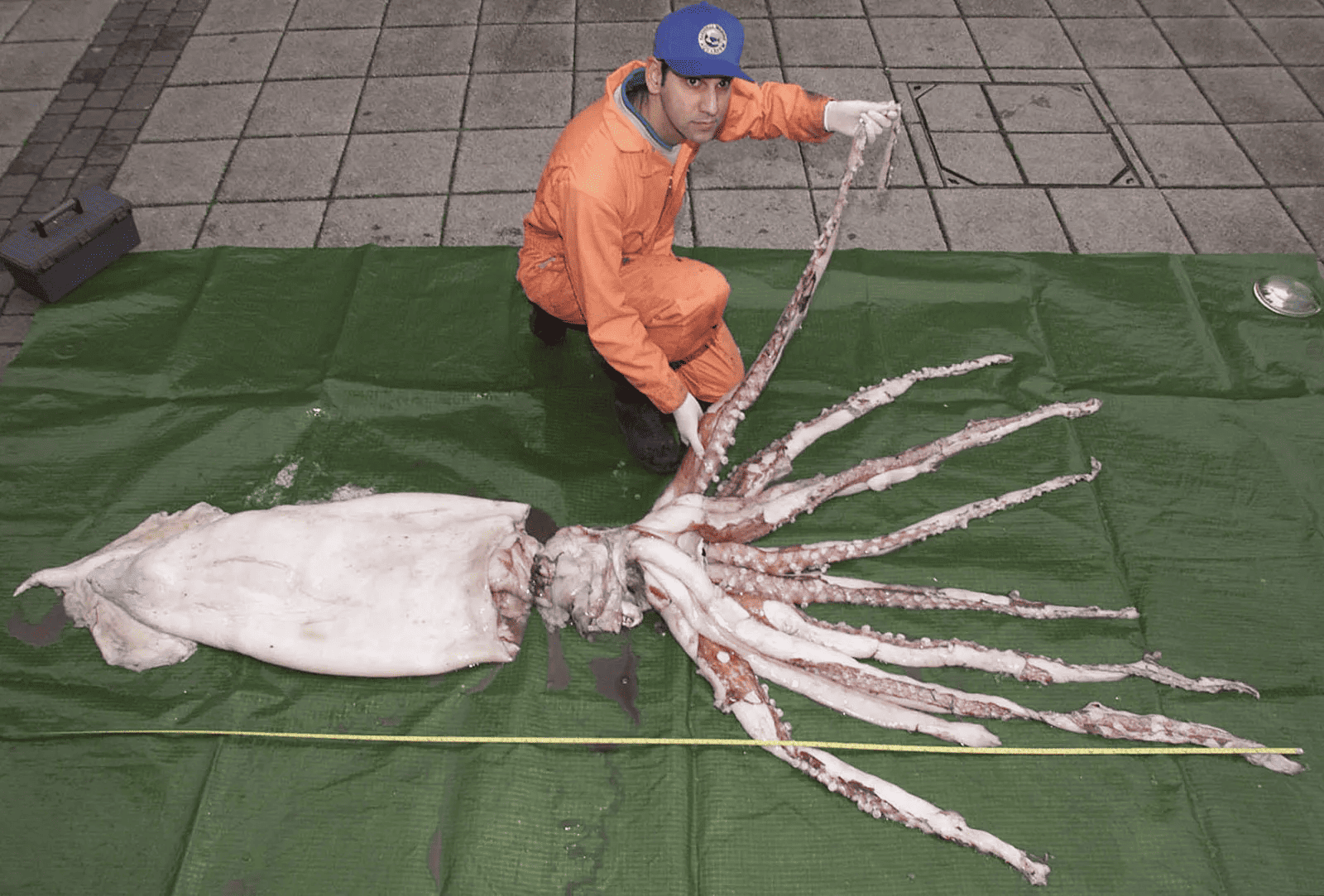
In 2006, biologist Craig McClain found that the deep sea is functionally similar to an island: resources are limited, predators are fewer, and organisms are relatively isolated from the rest of the ocean. McClain observed that some gastropod molluscs found at depth (genus Dentimargo) exhibit dwarfism comparable to insular dwarfism. Some animals may have become exceptionally large simply because no predators were capable of consuming organisms of that size. For example, the sperm whale is the only predator of the giant squid. The giant squid (Architeuthis dux) is the largest invertebrate on Earth, reaching up to 13 m in length (Figure 12). For further information about insular gigantism and dwarfism, see this article about Hațeg Island during the Cretaceous on DinoShop.ro.
Conclusions
Deep-sea gigantism illustrates the role of natural selection in survival and evolution, and how challenging environmental conditions—darkness, low temperatures, high pressure and limited food—favour effective adaptations. Regardless of size, evolution favours the body size best suited to survival.
Climate change affects ocean animals more than any other population on Earth. As global warming progresses, giant species may be among the first to disappear.
References
- https://oceanexplorer.noaa.gov/facts/deep-ocean.html
- https://oceanexplorer.noaa.gov/facts/deep-ocean.html
- https://oceanexplorer.noaa.gov/facts/deep-habitat.html#
- https://oceanservice.noaa.gov/facts/marinesnow.html
- https://www.noaa.gov/education/resource-collections/ocean-coasts/ocean-floor-features
- https://www.naturalworldfacts.com/deep-sea-gigantism
- https://ocean.si.edu/ecosystems/deep-sea/deep-sea
