Certainly among the most well-known and beloved fossils by the general public are represented by dinosaur teeth as well as other prehistoric reptiles. From famous species like Tyrannosaurus rex, to the teeth of triceratops, sauropods, mosasaurs and pterosaurs, these fossils remain living testimony to the understanding of life millions of years ago and provide important information for classifying the large animals that dominated the Earth millions of years ago into orders and species.
General characteristics
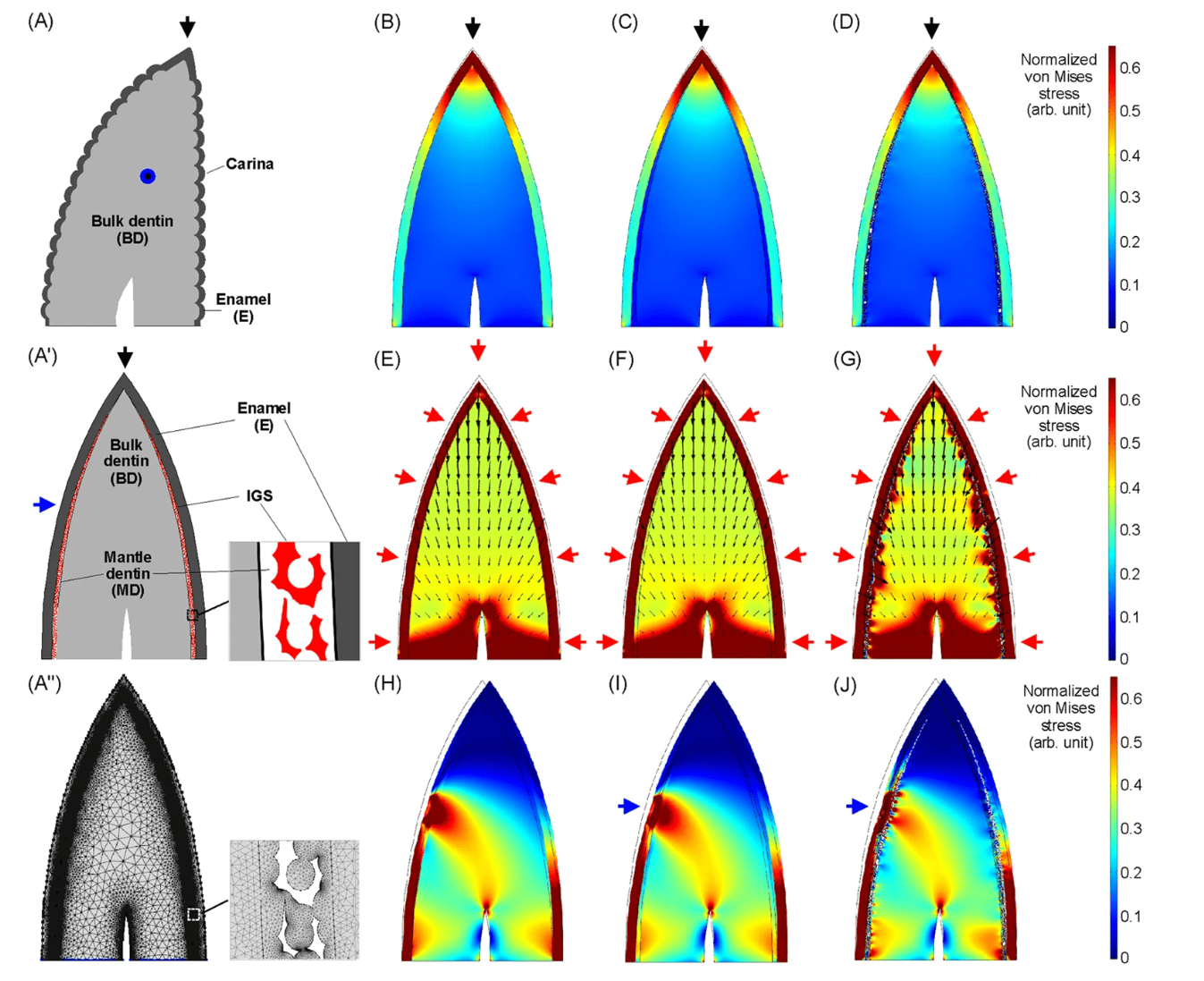
Dinosaur teeth, from a physical point of view, have a structure similar to that of modern vertebrates, as evidenced by the abundant fossil remains that have been preserved throughout geological time. The general characteristics include two main layers: an outer layer of enamel and an inner layer of dentin.
Tooth morphology and the stable isotopes preserved within teeth can help distinguish dinosaur species and provide information about their habitats, diets and behaviours, including migration and sedentary lifestyles.
Chemical characteristics
The original chemical composition of dinosaur teeth consists primarily of hydroxyapatite (hydrated calcium phosphate). During fossilisation, mineralisation and lithification alter this material, producing mineral forms and structures characteristic of the environment in which the teeth were preserved.
Comparison with modern vertebrates suggests that dinosaur teeth probably did not display the pigmentation seen in their fossils during the animals’ lifetimes. Changes in their original colour result from minerals present in the environment where fossilisation occurred. Minerals contributing to this pigmentation include calcite (calcium carbonate), dolomite (magnesium carbonate), pyrite and marcasite (iron sulphides), limonite (hydrated iron oxide), hematite (iron oxide), and other less common minerals.
The replacement of minerals in the original tooth structure, producing the structures observed in fossils today, is termed mineralisation and is primarily associated with fluids present in the fossilisation environment. High concentrations of different chemical elements can strongly influence fossil morphology and composition. New mineral components may be added through cementation, or the original minerals may be completely replaced by new ones through neomorphism.
Tooth types by species or genus
Tyrannosaurus rex
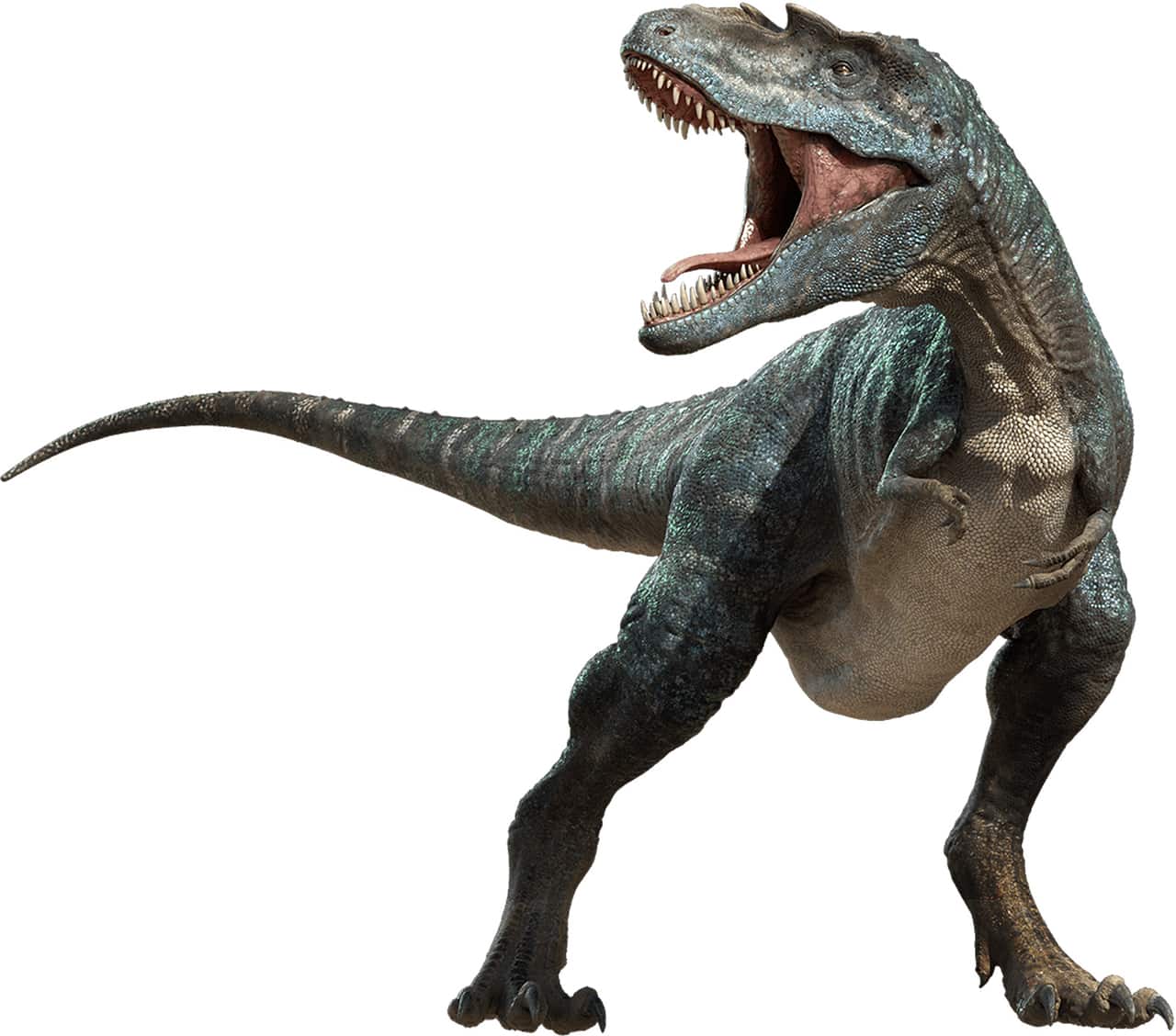
Tyrannosaurus rex had about 60 serrated and robust teeth, quite widely spaced compared to the teeth of other carnivorous dinosaurs and considerably thicker, and their tips were not very sharp. These teeth varied in shape and purpose depending on their placement. The front teeth were very close together and small, and their main purpose was to grab food and scrape meat from bones, while the side teeth were more widely spaced, very thick and large, and were used to cut meat and bones. The latest scientific studies show that Tyrannosaurus rex was both an active predator and a scavenger. Like modern predators, it mainly targeted young, old or sick animals, but also consumed carrion when available.

Spinosaurus aegyptiacus
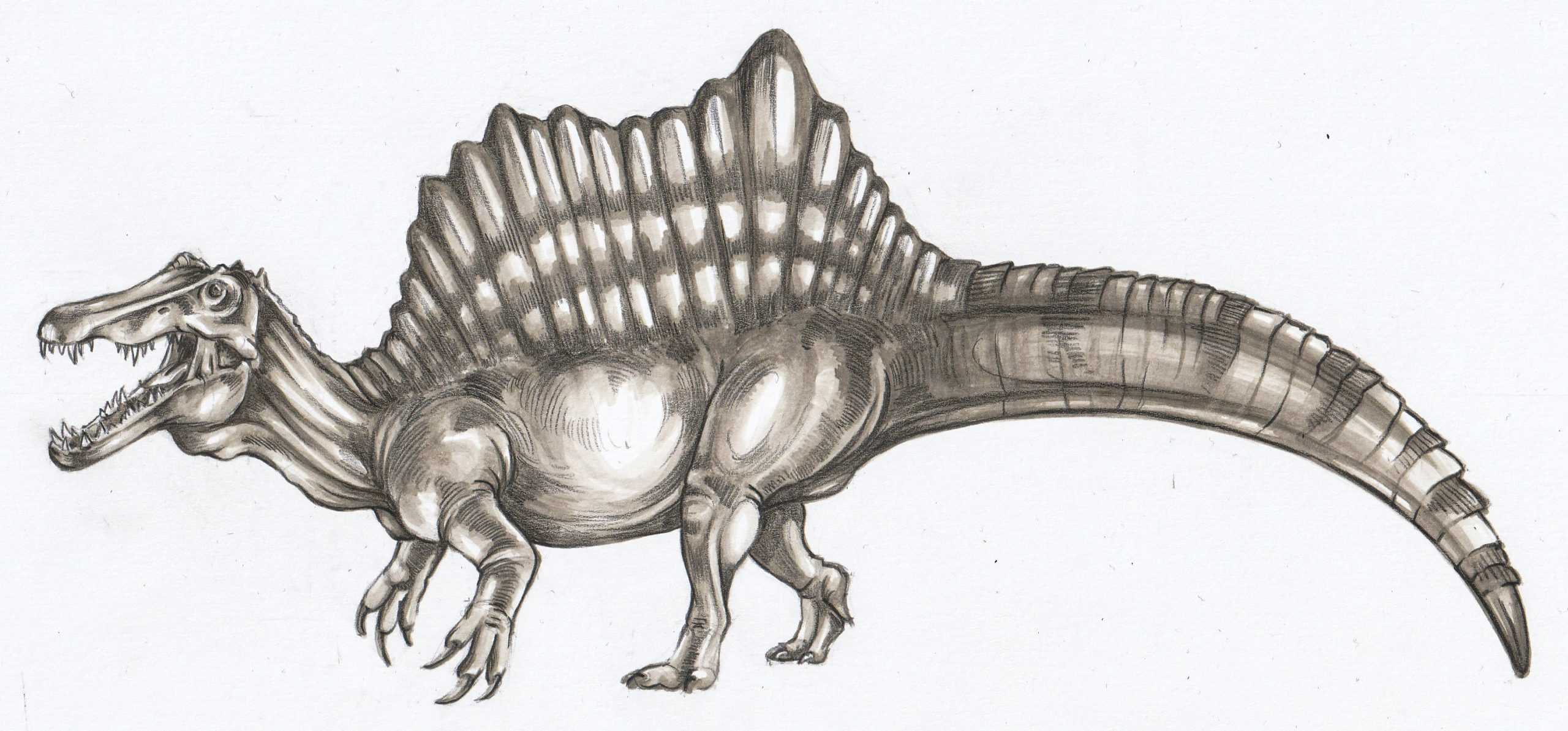
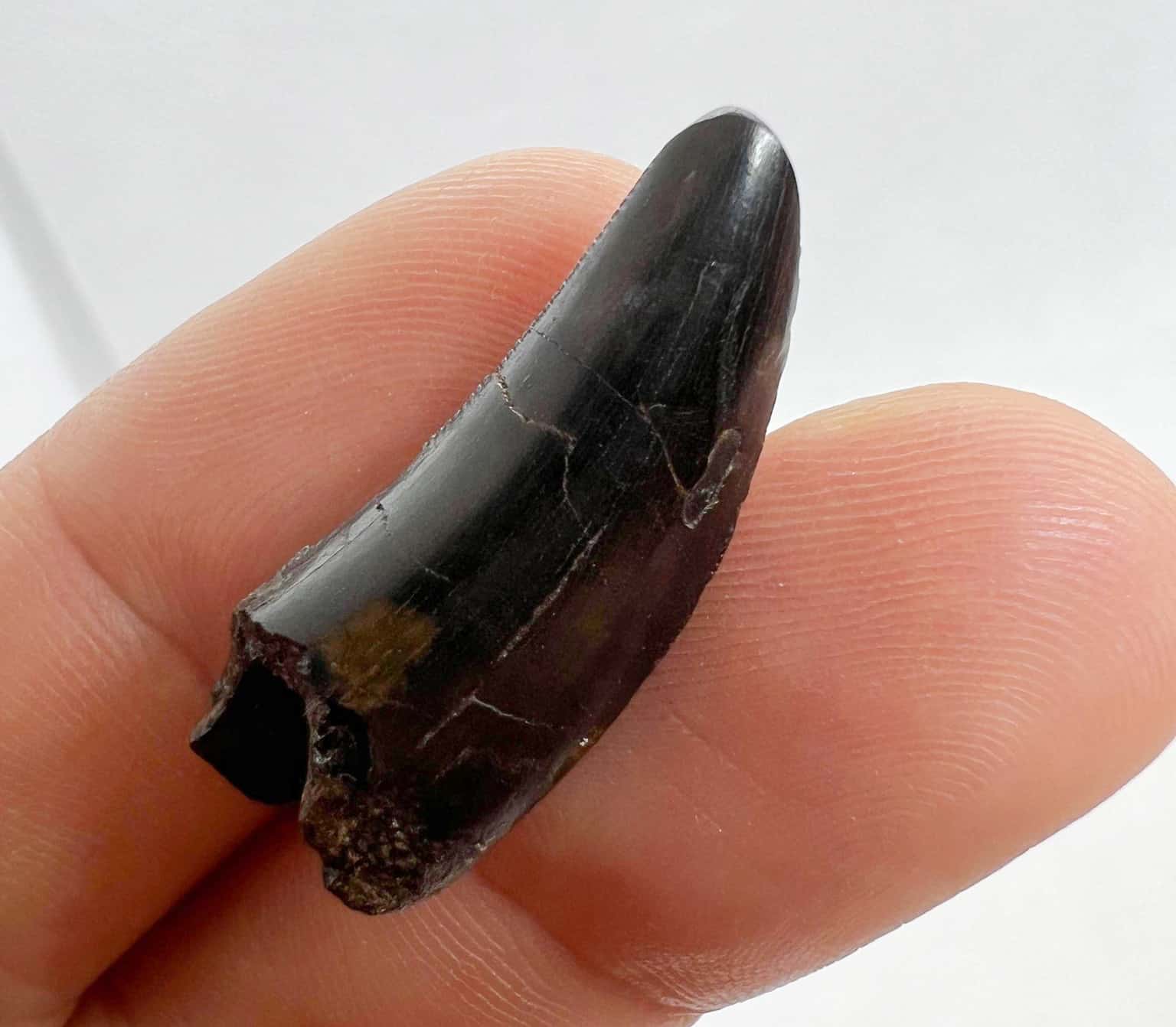
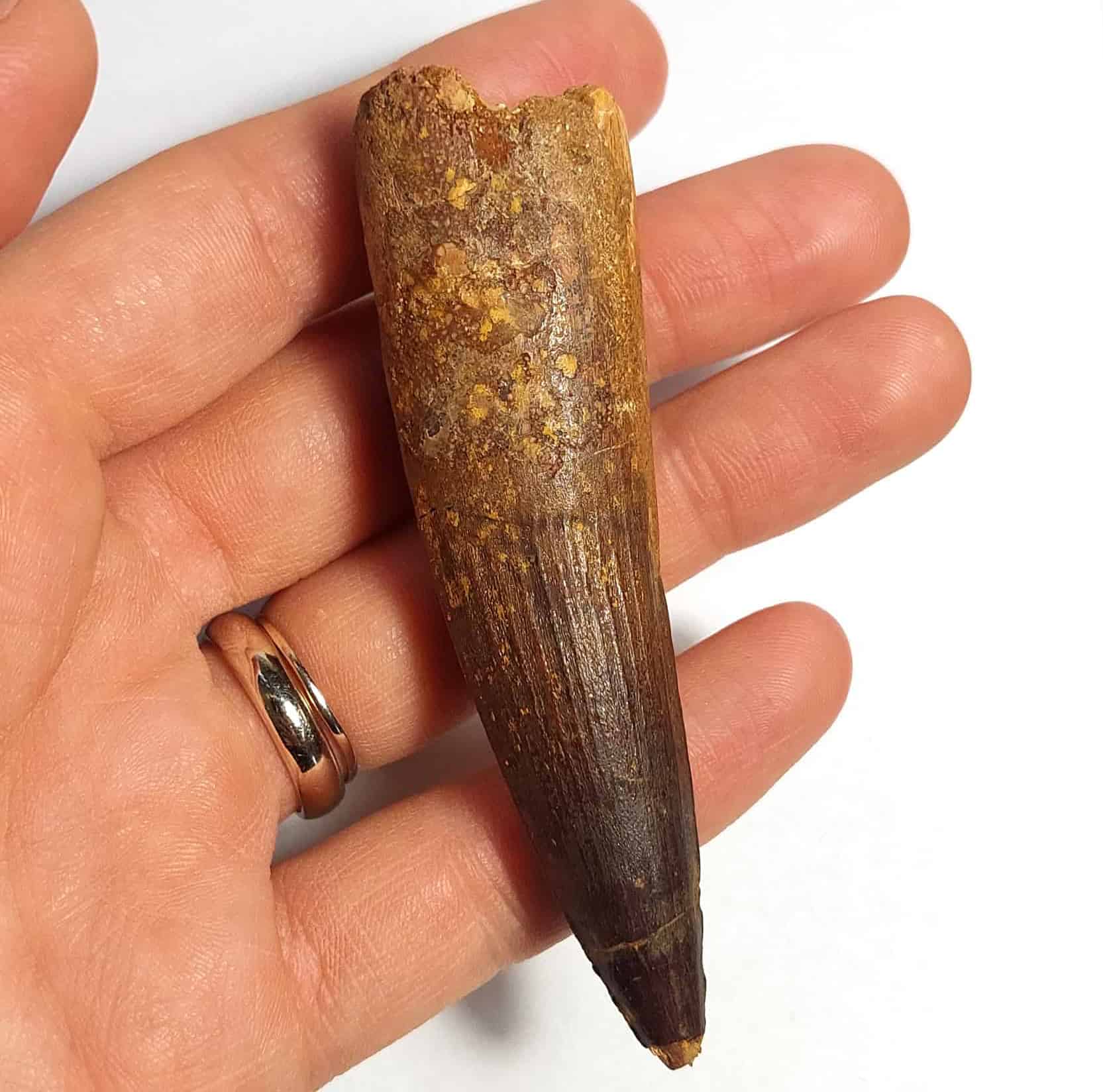
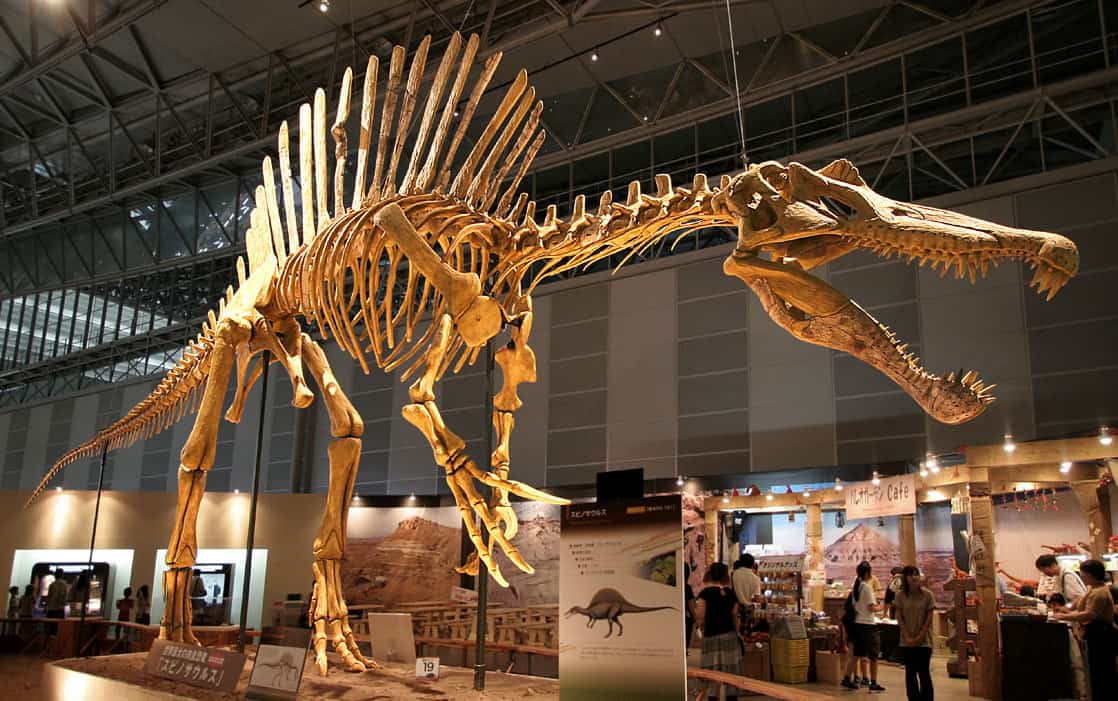
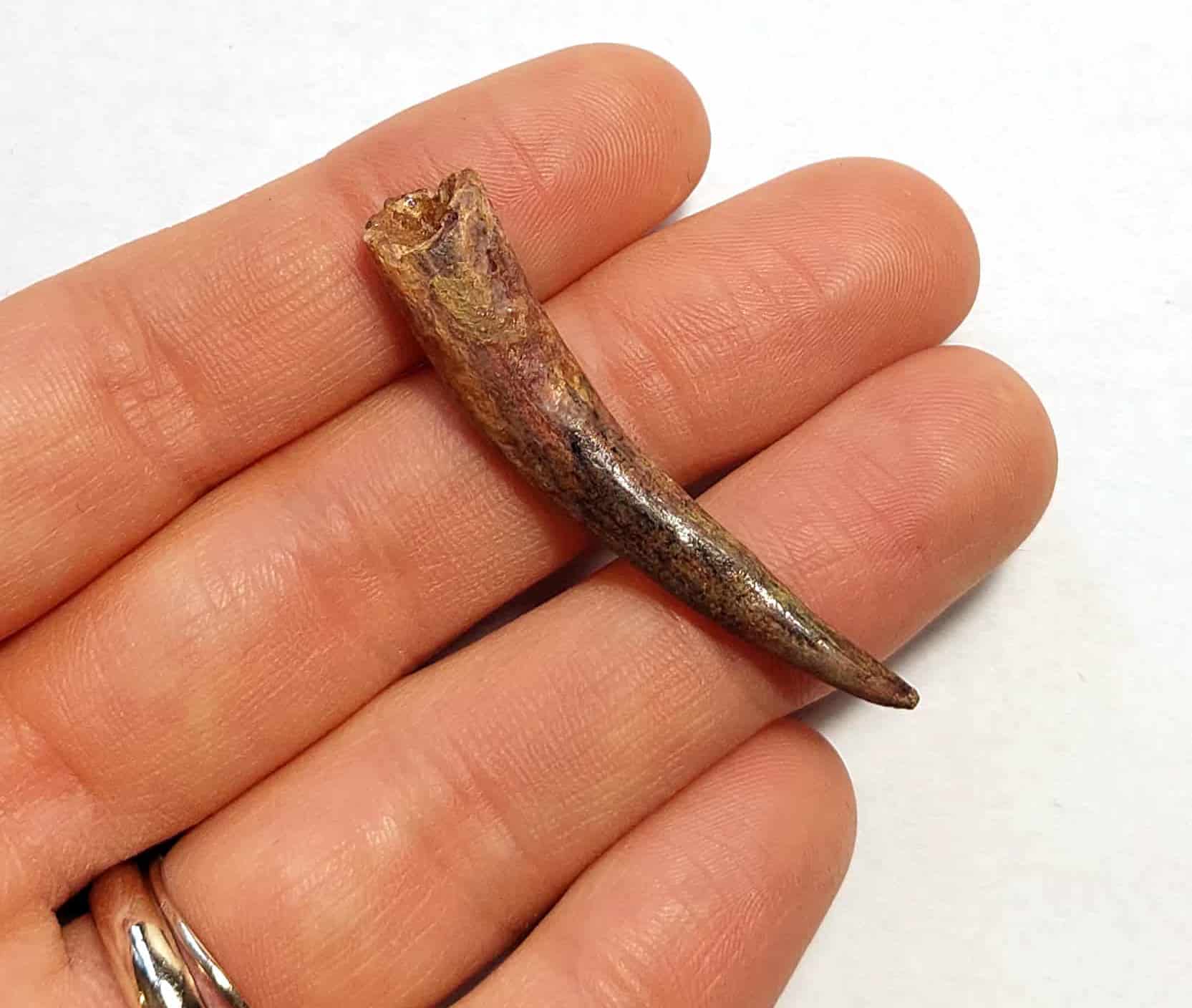
Spinosaurus aegyptiacus had a skull with a narrow snout and two gaps in the upper jaw. Its dentition comprised approximately 64 straight, nearly conical teeth, each with two fine cutting edges on opposite sides. It is thought that Spinosaurus was a semi-aquatic piscivore, feeding on fish and other marine organisms near land. Its dentition included 12–14 slightly curved premaxillary teeth; the second and third were substantially larger than the surrounding teeth. The lower teeth fitted into gaps in the upper jaw. Teeth of Spinosaurus are surprisingly common in deposits in the Kem Kem area of Morocco, and with the root, these teeth can reach impressive sizes of up to 10-12 centimeters long.
Spinosaurid teeth are common in some fossil deposits in northern Africa. Their abundance can be explained, in part, by the repeated replacement of teeth throughout life.
In a study published in 2020, Nicola Heckeberg and Oliver Rauhut analyzed spinosaurid teeth from Morocco. The researchers identified up to 271 daily growth lines in the dentin, which provide a benchmark for the duration of tooth formation. The replacement interval was estimated to be approximately 59–68 days.
The two durations describe different processes. The new tooth began to form before the tooth in use was replaced, so complete formation could take longer than the interval between two successive replacements.
Carcharodontosaurus saharicus
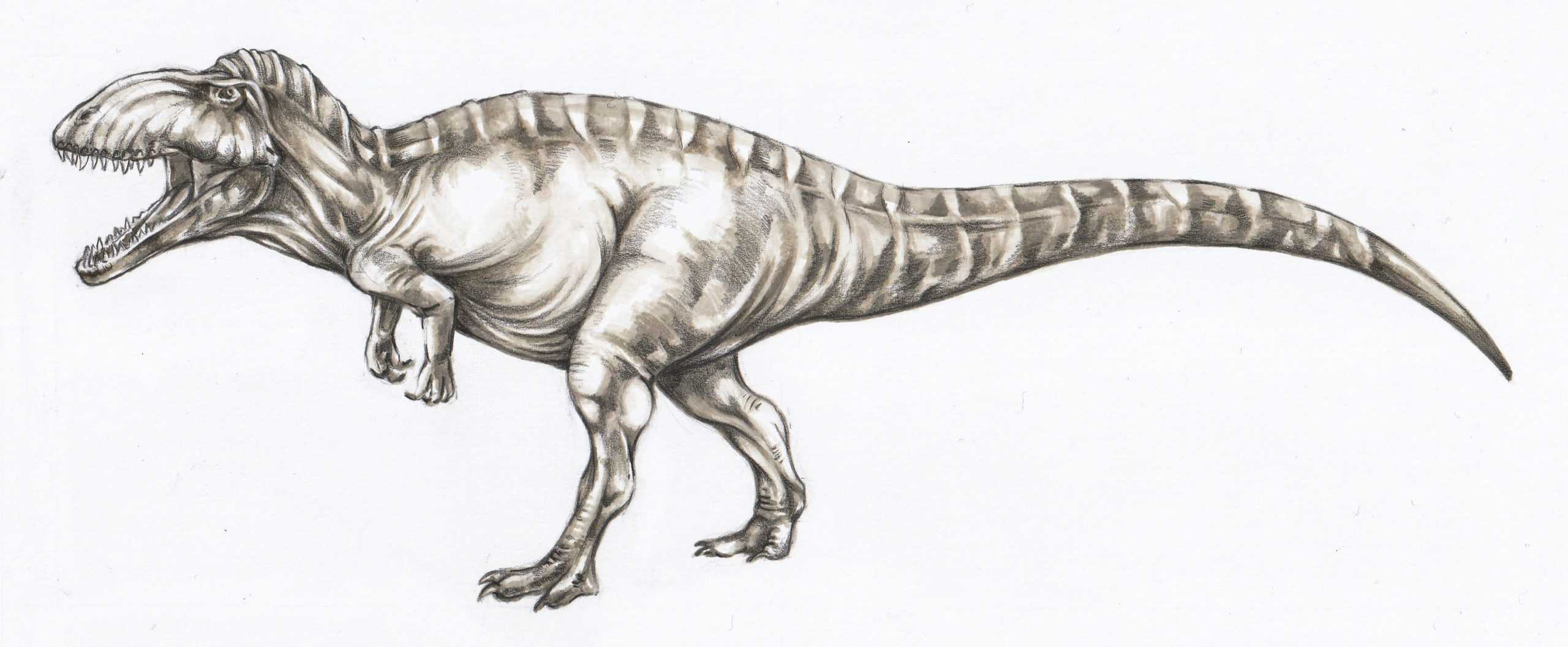
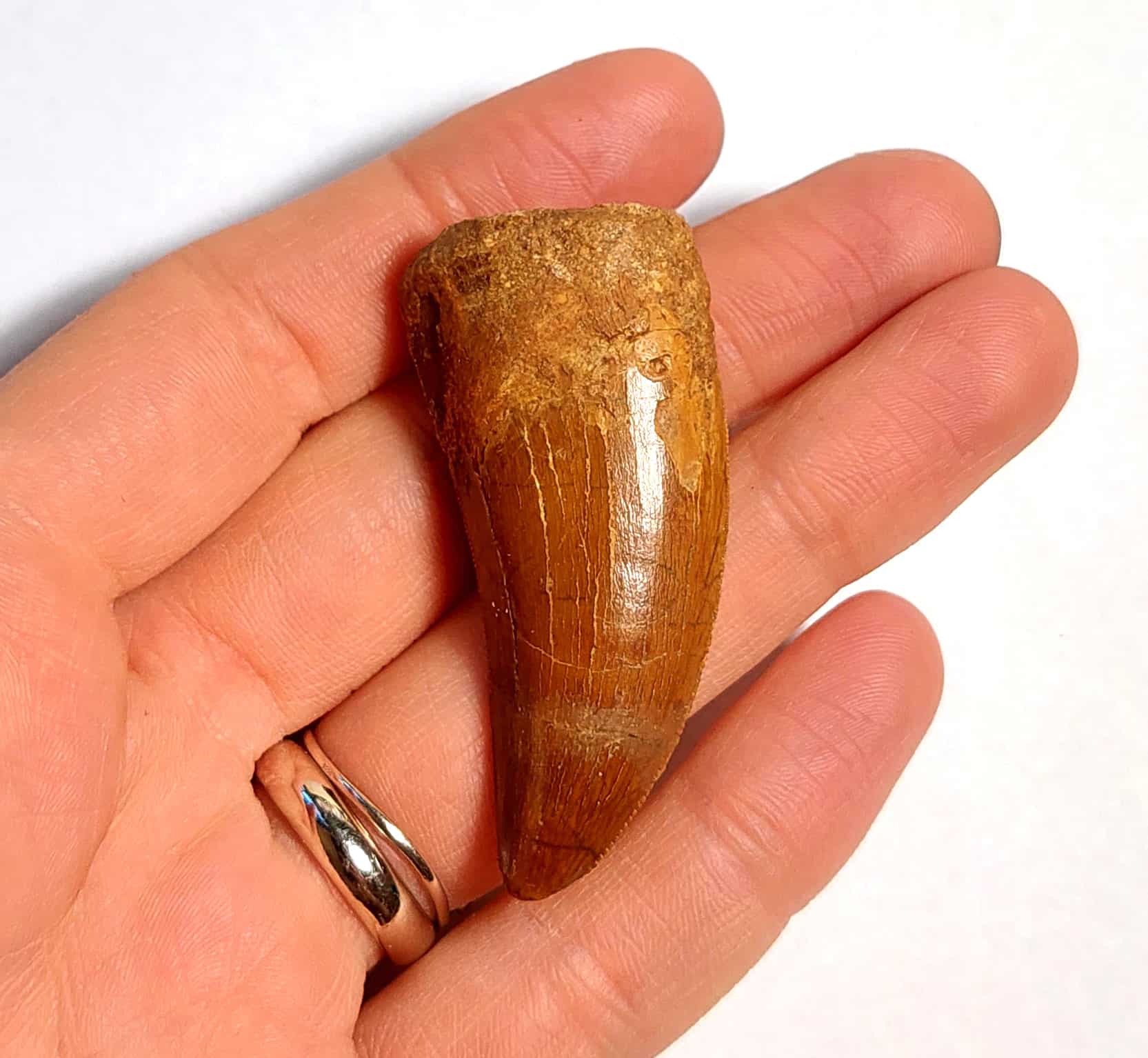
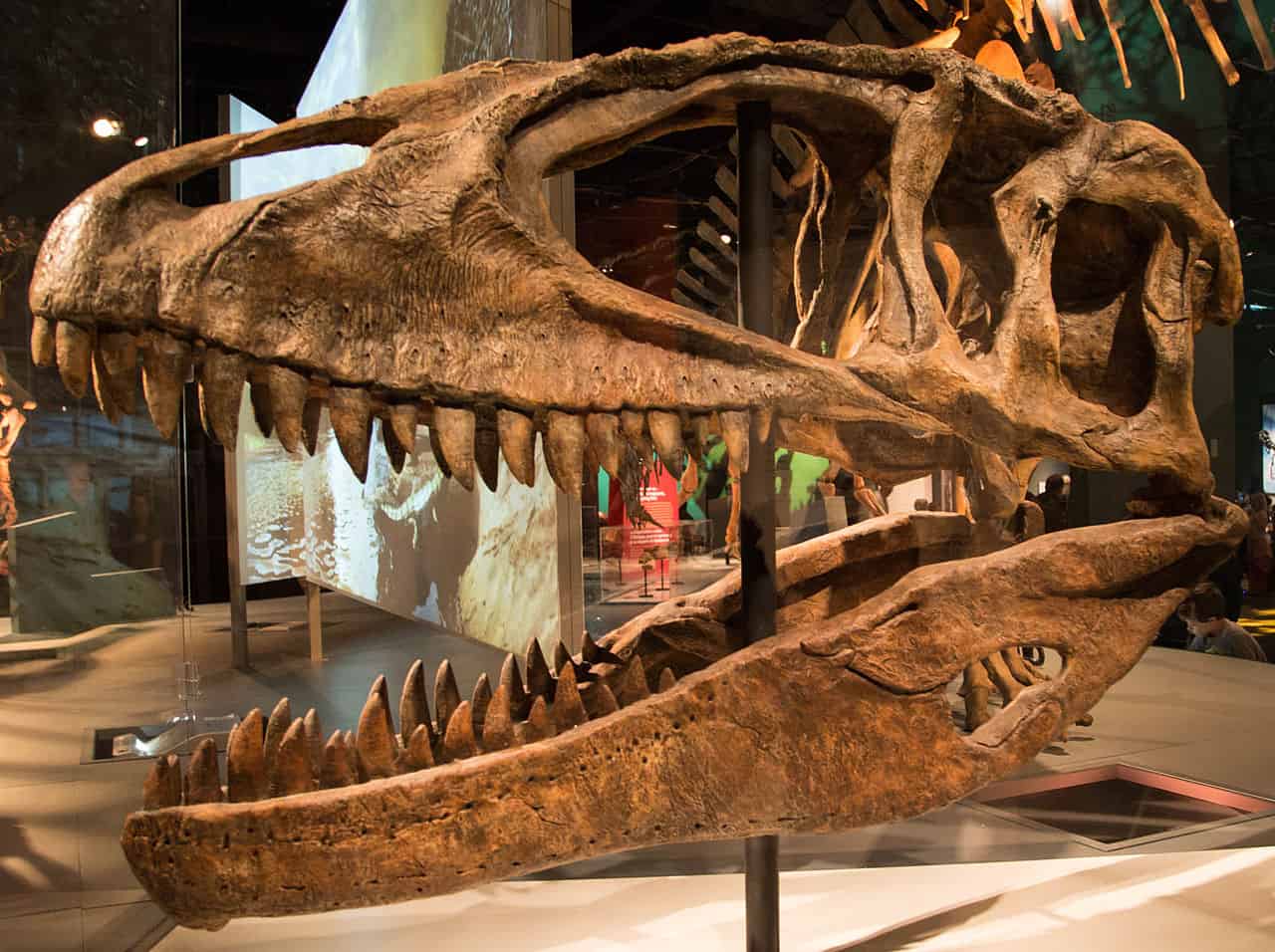
Carcharodontosaurus was initially known only from a few fossil teeth discovered in the first half of the twentieth century. Subsequent discoveries have provided further information about the lifestyle of this large Cretaceous carnivore. Carcharodontosaurus had enormous jaws containing approximately 64 teeth, up to 18–20 centimeters long, resembling a serrated blade. It had one of the largest skulls in the world of carnivorous dinosaurs, being equal to and often even larger than the skull of the better-known Tyrannosaurus rex. The teeth are relatively narrow, curve slightly backwards and have enamel wrinkles.
Dromaeosauridae ("Raptors")
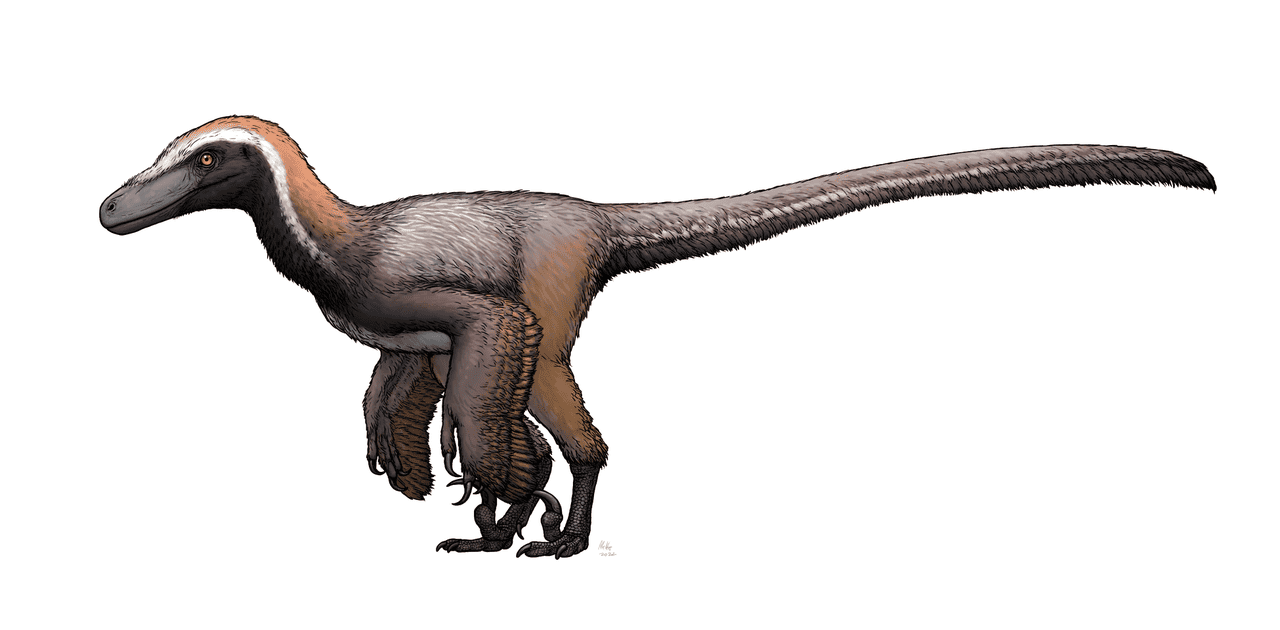
Raptors (family Dromaeosauridae) were small carnivorous theropod dinosaurs that presumably did not use their teeth to kill, so they had smaller teeth in proportion to their skulls, compared to large theropods that used their teeth as their primary killing tool.
Velociraptor is one of the best-known genera of the Dromaeosauridae family. Its jaws contained approximately 26–28 blade-like teeth, with crowns up to ~1.0 cm high. The teeth of Velociraptor they had wide spaces between them and coarse serrations, oriented towards the back of the dental carinae.
Deinonychus was another genus of carnivorous dinosaurs in the Dromaeosauridae family that had up to 70 curved, blade-like teeth, which were approximately 1.3 cm high, characteristic of them being that the dentition had the same type of serration on both sides, front and back.
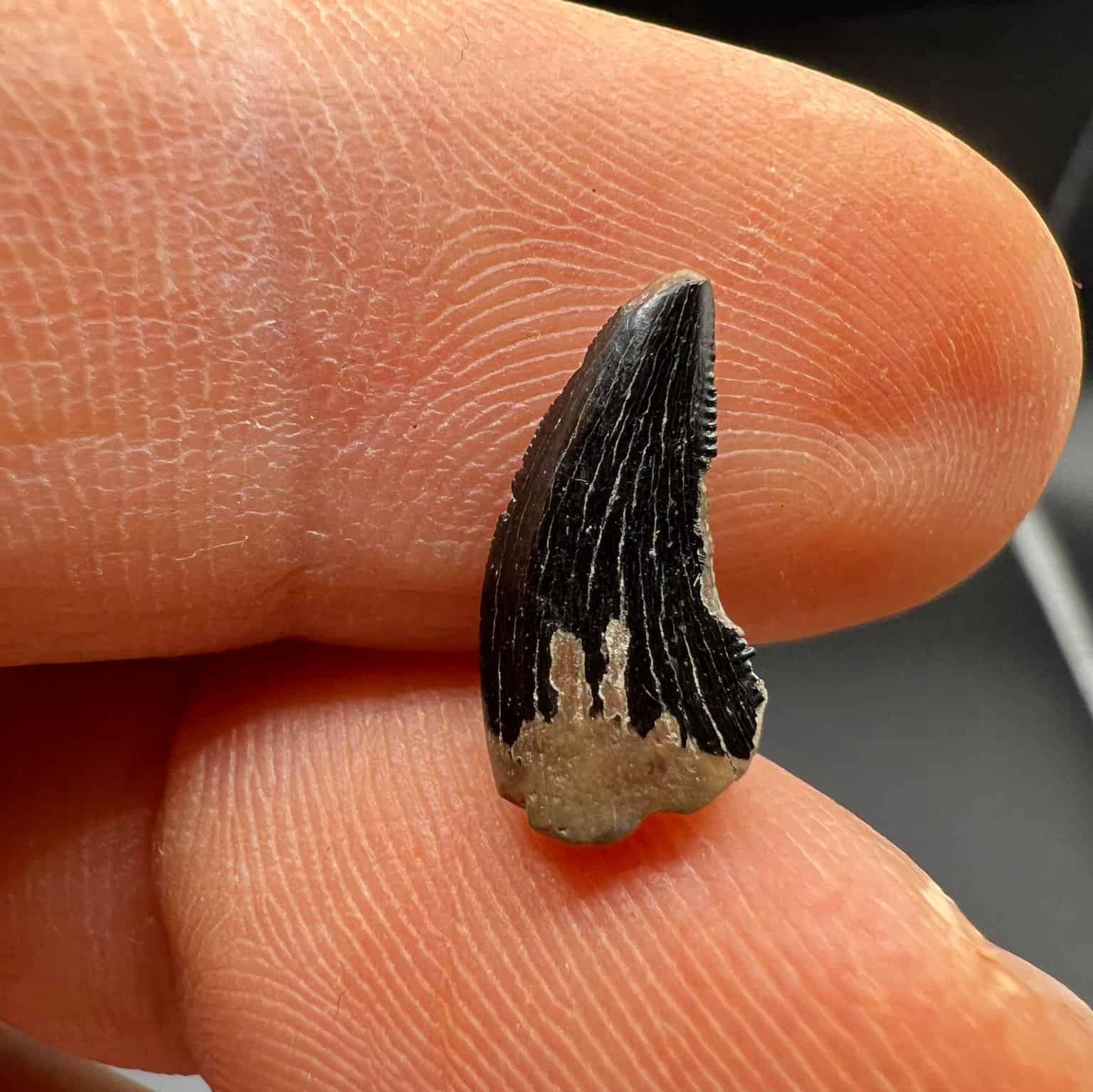
A species of "mysterious Raptor" has also been identified in what is now Morocco. It had teeth ranging in size from 1.2–2 cm and strongly posteriorly directed notches, indicating that it was morphologically quite similar to the better-known Velociraptor . Unfortunately, complete or even partial skeleton fossils have not yet been discovered for this new raptor, so it is difficult to estimate its size or other specific characteristics. However, the relative sizes of its teeth are similar to those of Deinonychus, which reached lengths of up to approximately 3.0 – 3.5 meters.
Triceratops horridus
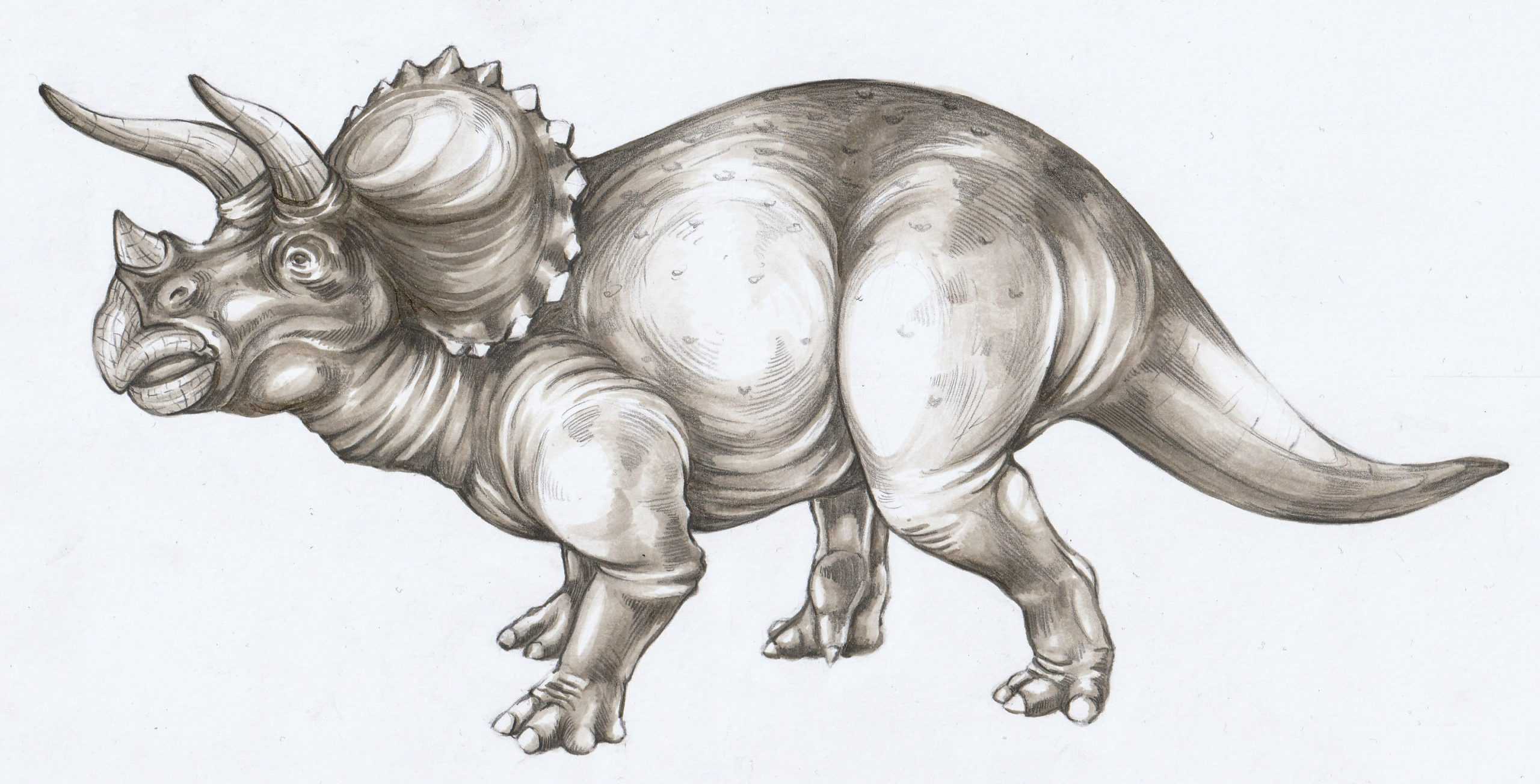
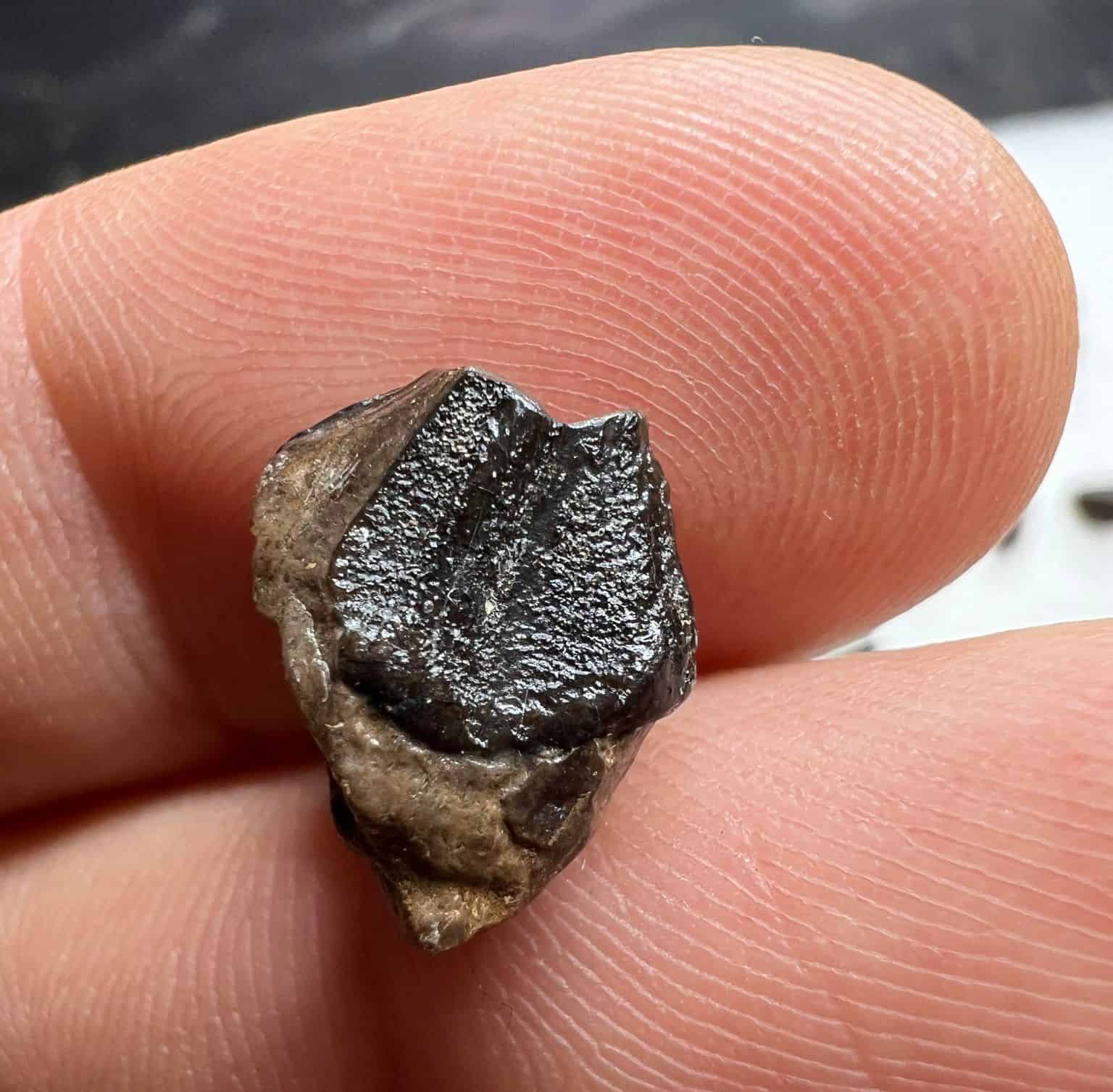
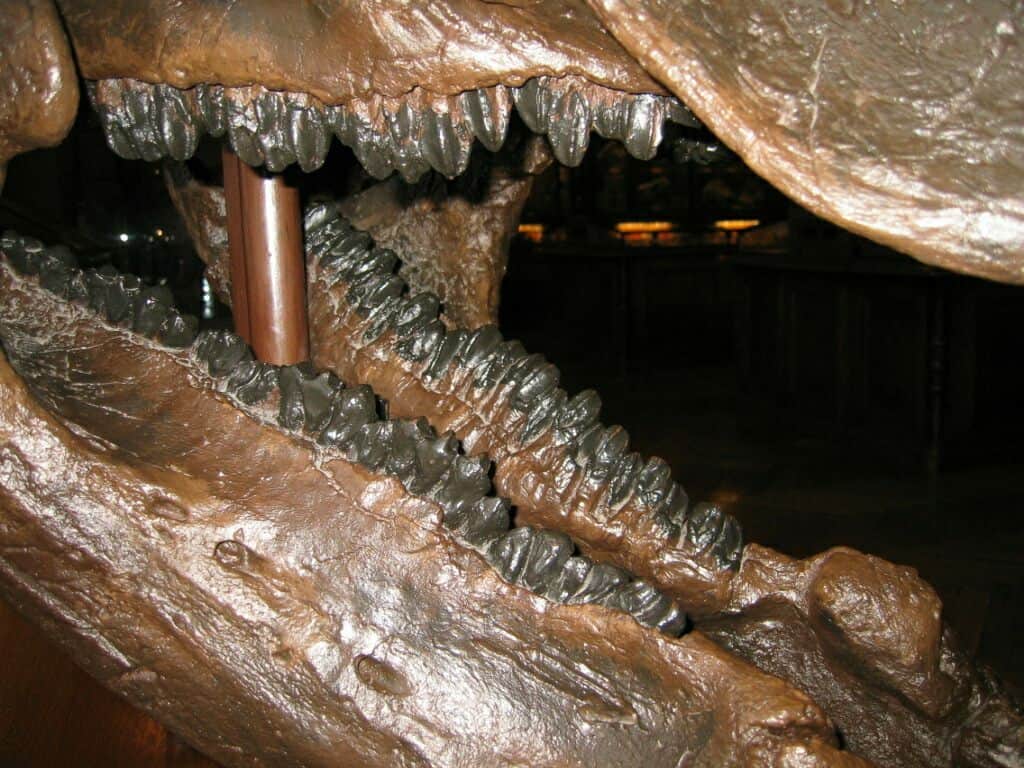
Triceratops had teeth arranged in dental batteries in both the upper and lower jaws. These consisted of columns of stacked teeth, with new teeth successively replacing worn ones.
The teeth in use formed cutting surfaces that worked together as the jaws closed, helping the animal process vegetation. Differential wear of the dental tissues helped maintain effective edges for cutting plants. Continuous tooth replacement maintained this feeding apparatus throughout the animal’s life.
Rebbachisaurus garasbae
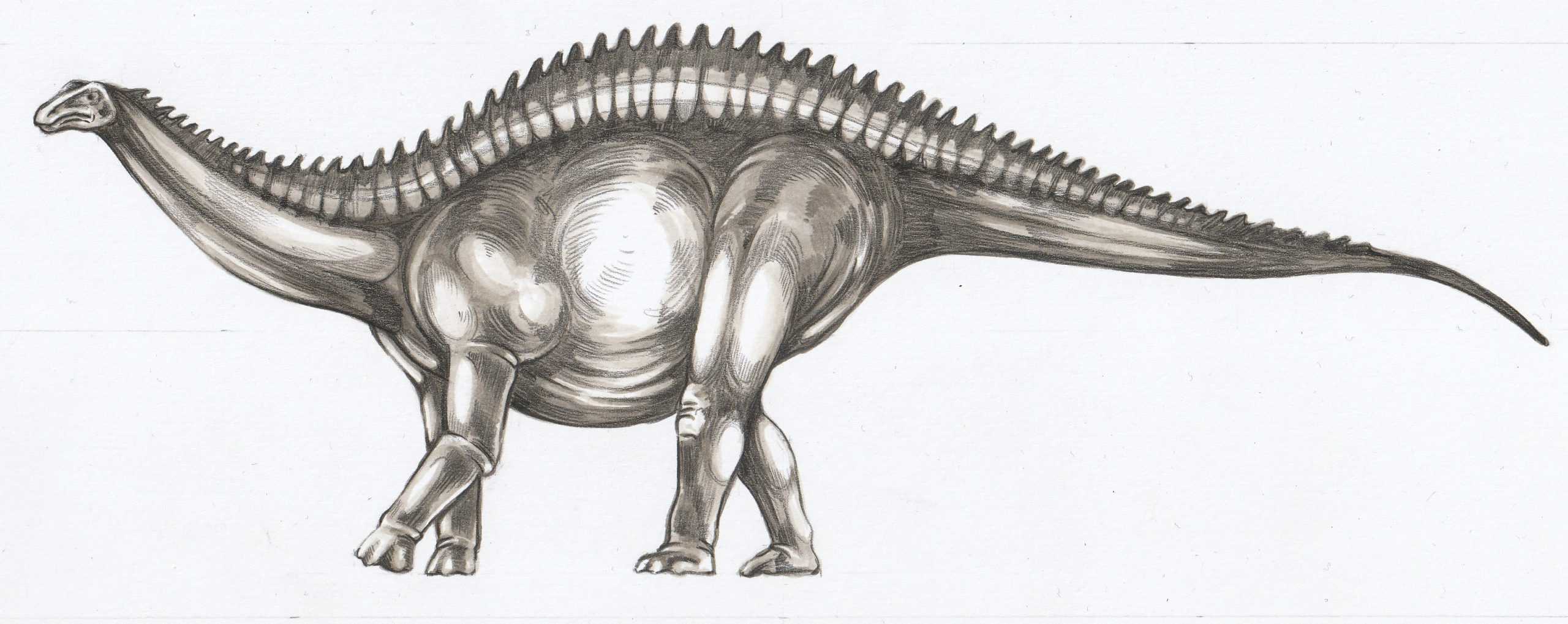
Rebbachisaurus is a genus of sauropod dinosaur in the superfamily Diplodocoidea that lived during the Late Cretaceous period in Africa, approximately 99–97 million years ago, and reached up to 20 meters in length and 7 tons in weight. This massive herbivorous animal had a small head, a long, graceful neck, and a whip-like tail, which it may have used to counterbalance its long neck.
Rebbachisaurus It is distinguished from other sauropods by its unusually high and ridged back. Its teeth were long and slender, acting as rakes to gather plant material from branches, and their tips were chisel-like to help it process the massive amounts of vegetation it consumed daily. This method of feeding created unusual wear patterns on its teeth, with wear particularly evident on the tips and outer surfaces. Little is known about the number of teeth it had. Rebbachisaurus or their replacement rate, but comparison with its relative Diplodocus, which had approximately 40 relatively small, peg-like teeth clustered at the front of the jaw, suggests a replacement interval of about 35 days.
Edmontosaurus
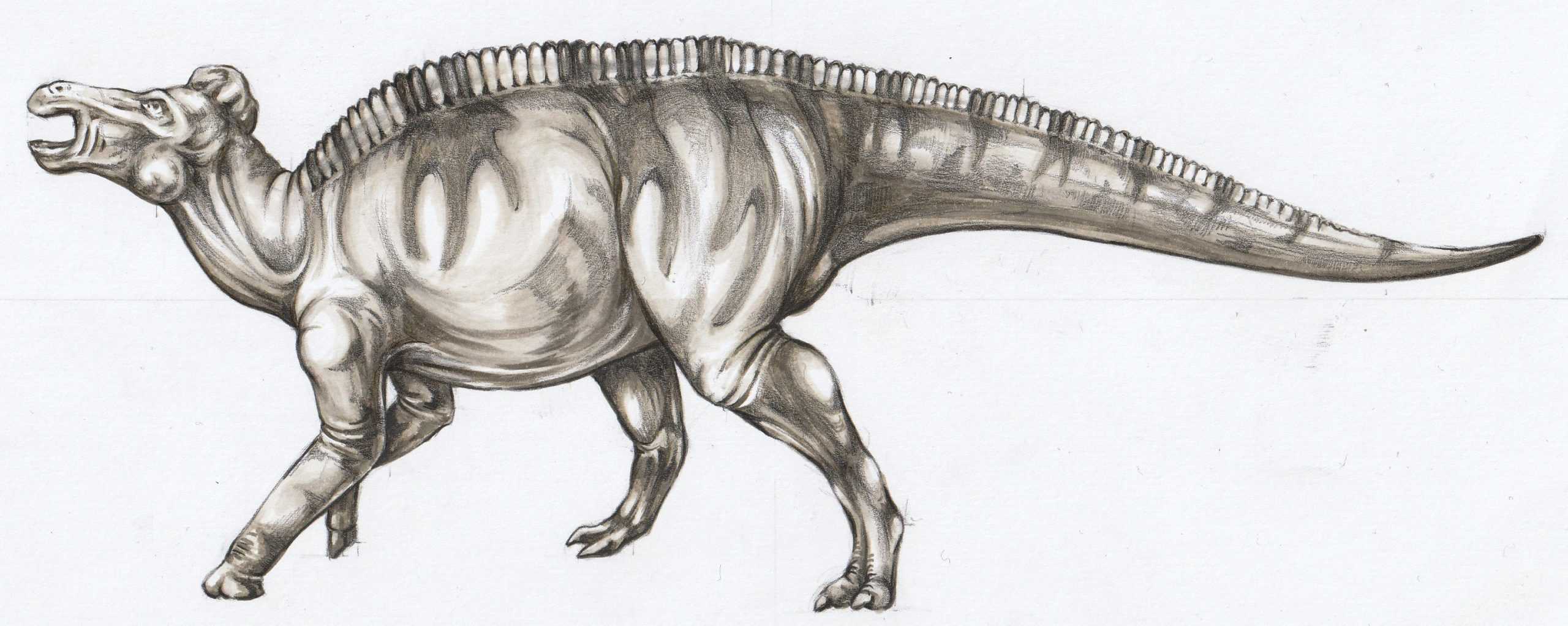
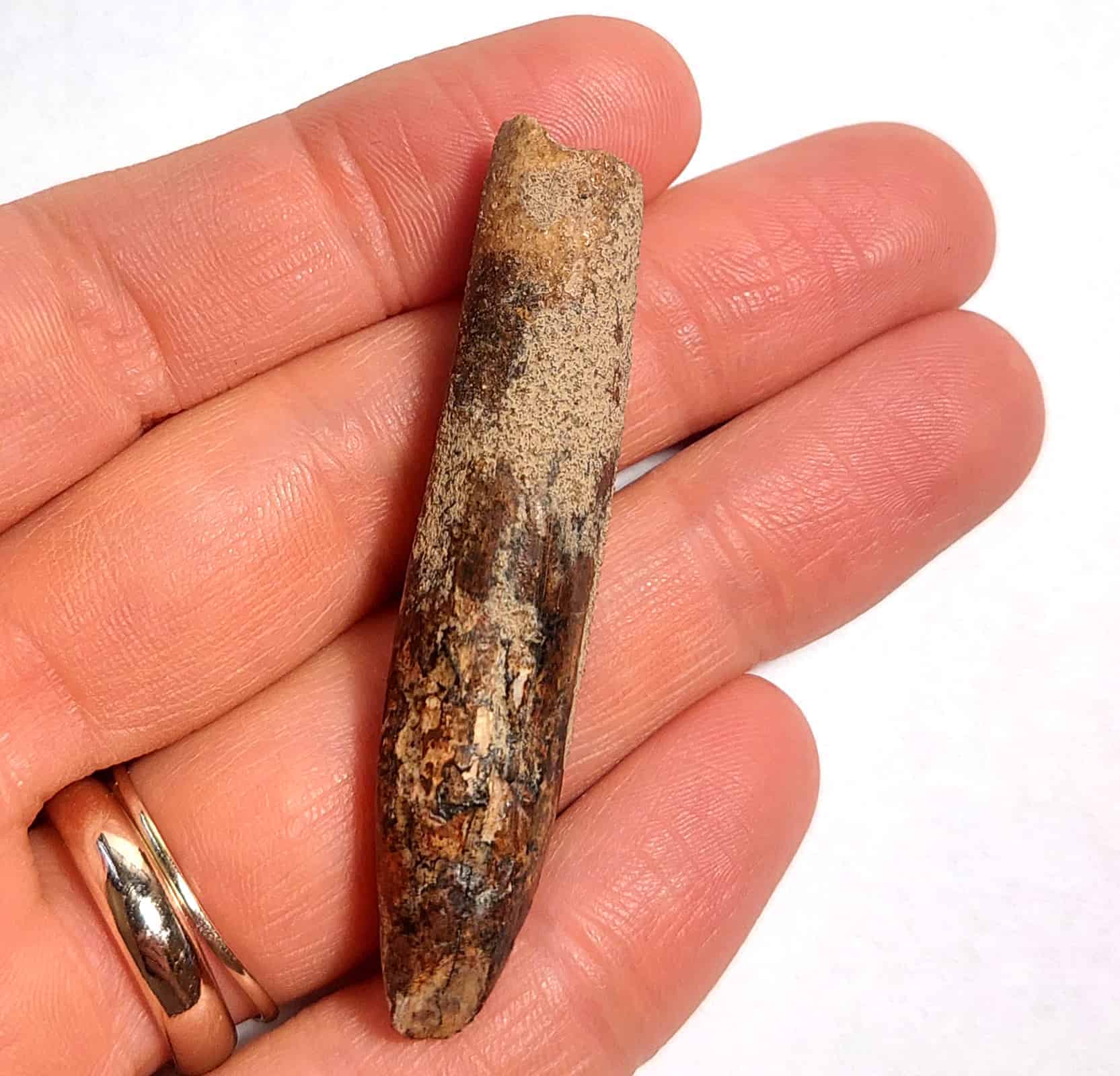
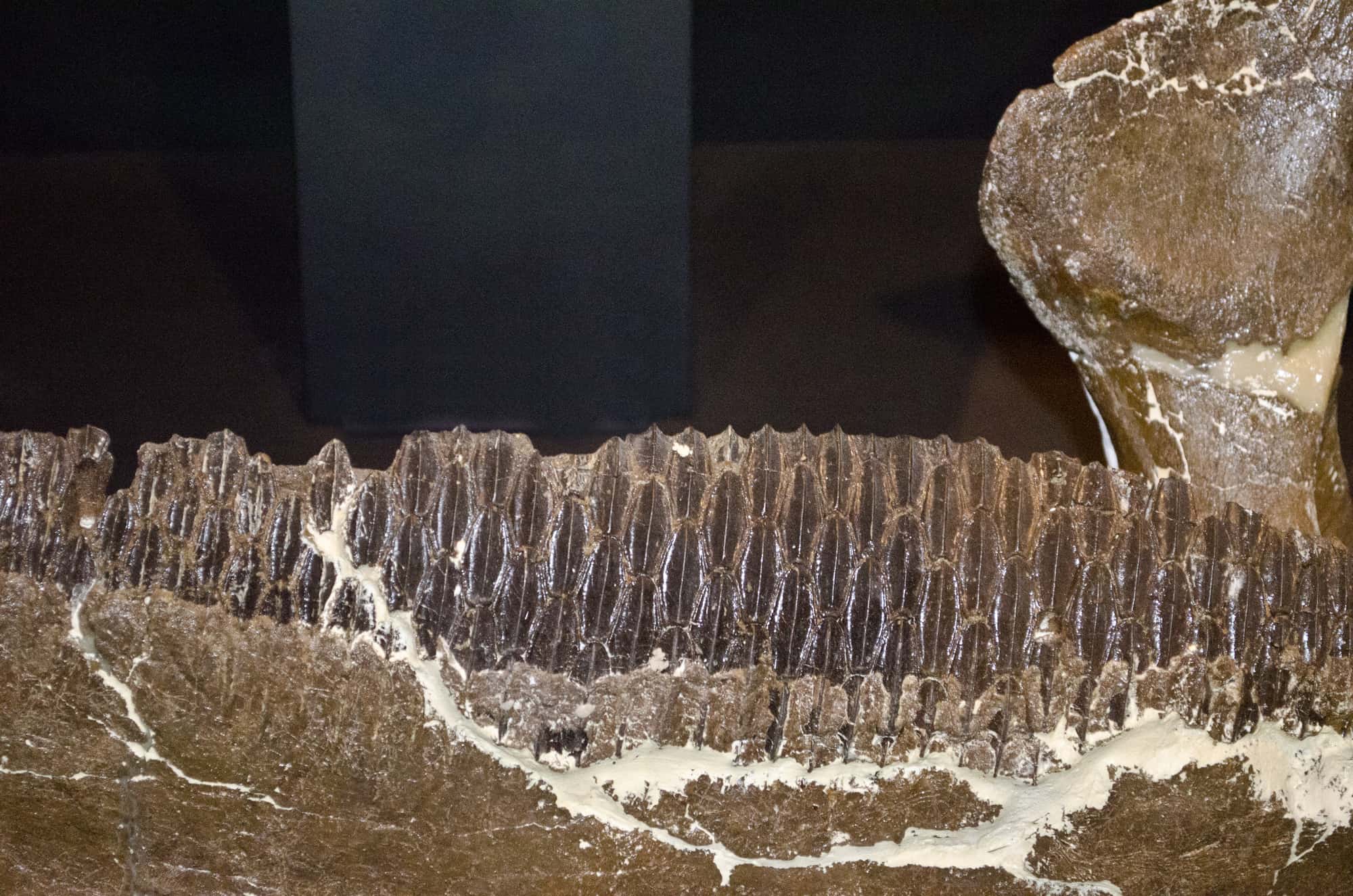
Edmontosaurus it was a dinosaur hadrosaur who had dental batteries similar to his Triceratops, and their teeth were continuously replaced. Edmontosaurus had between 48 and 53 rows of teeth depending on the size and age of the individual. These teeth were stacked up to 6 on top of each other, and the formation of a new tooth took up to about 6 months. The way in which Edmontosaurs chewed their food is still under debate. There are several ideas, one is that the movement was front-to-back - similar to scraping, or another idea involves a flexion of the jaw in combination with a "back-and-forth" movement that leads to a more complex movement of sliding and shearing plant matter in the oral cavity. In terms of size, Edmontosaur teeth were relatively small, not exceeding 1.3 cm.
Ankylosaurus
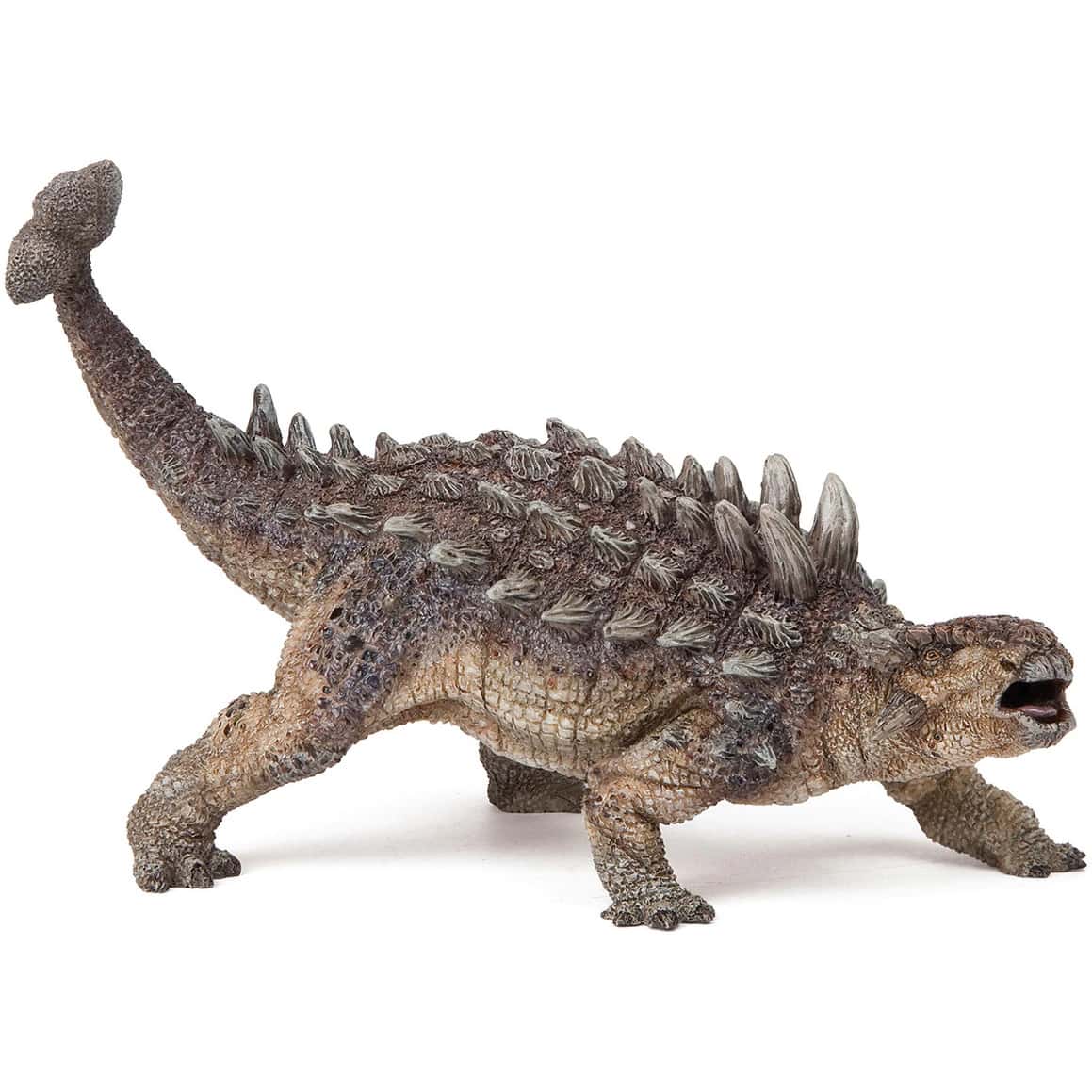
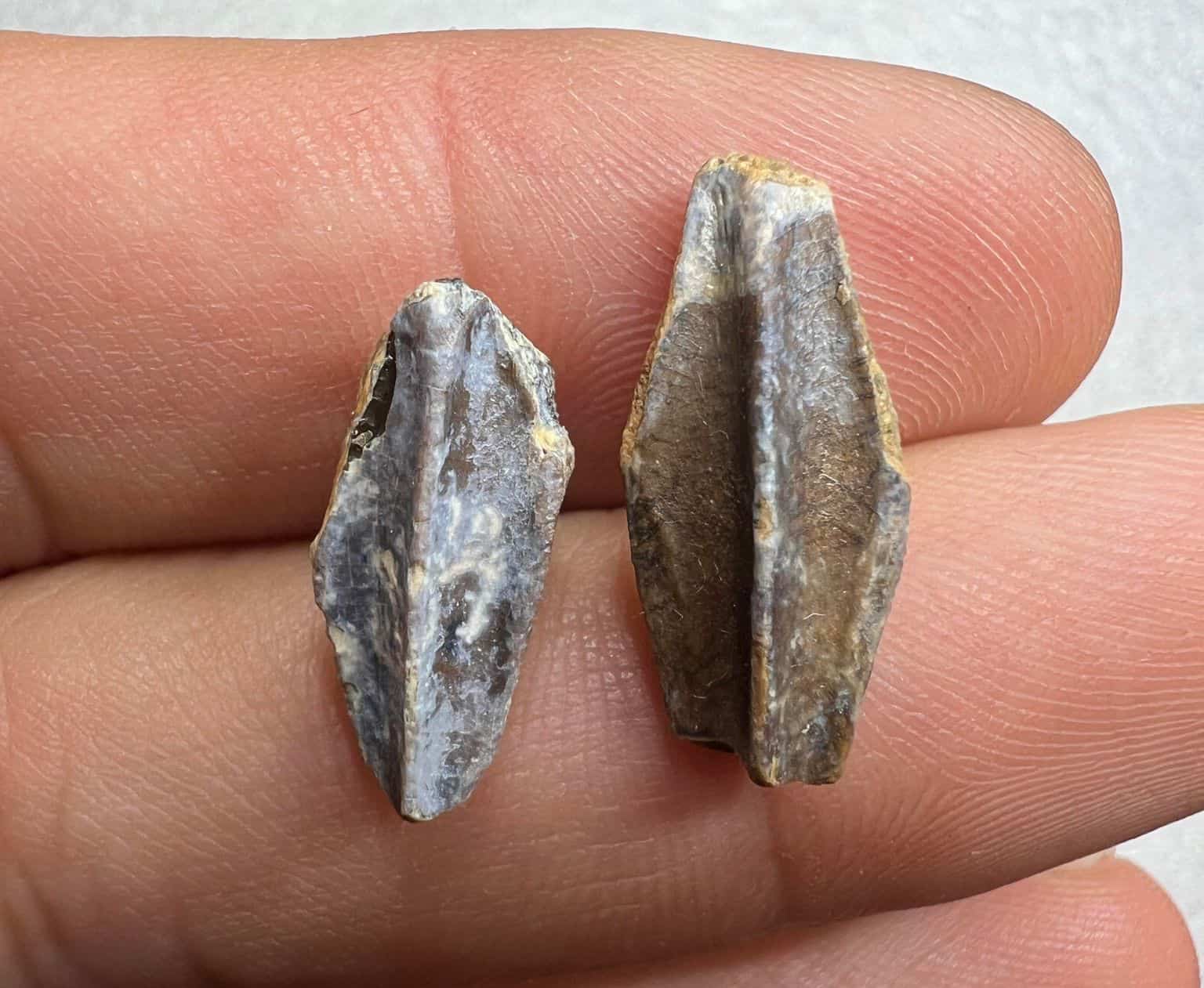
Ankylosaurus was a genus of herbivorous dinosaur, known for its armor covering much of its body, as well as its tail that ended in a club. Its dentition consisted of approximately 72 small, leaf-shaped teeth. These teeth were made up of a series of cusps (pyramidal-shaped protrusions with four sides, two ridges, and a tip) that looked like a fairly thick blade, narrowing towards the root. They may have been used to cut up food consisting of ferns, cycads (gymnosperms with a palm-like appearance), and angiosperms, which was then swallowed with very little chewing. Along with Stegosaurs, Ankylosaurs had the simplest and most primitive dental morphology of the ornithischian dinosaurs.
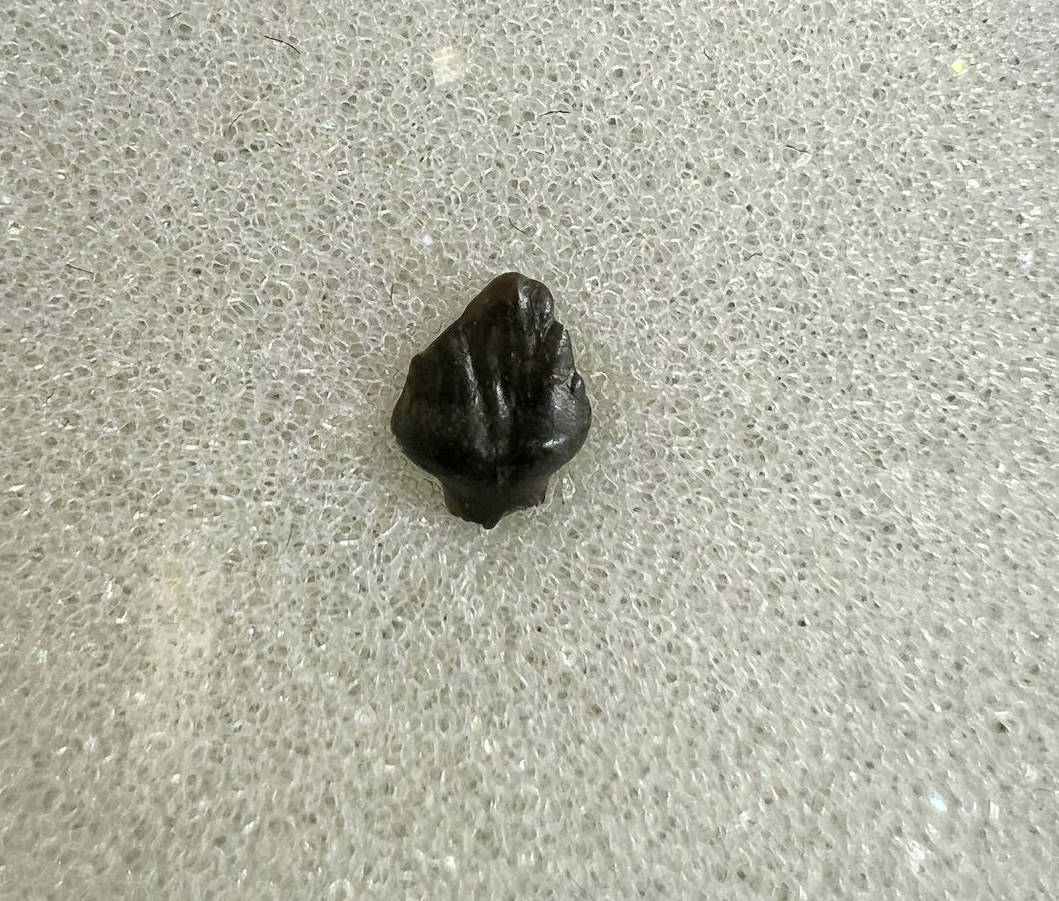
Stegosaurus
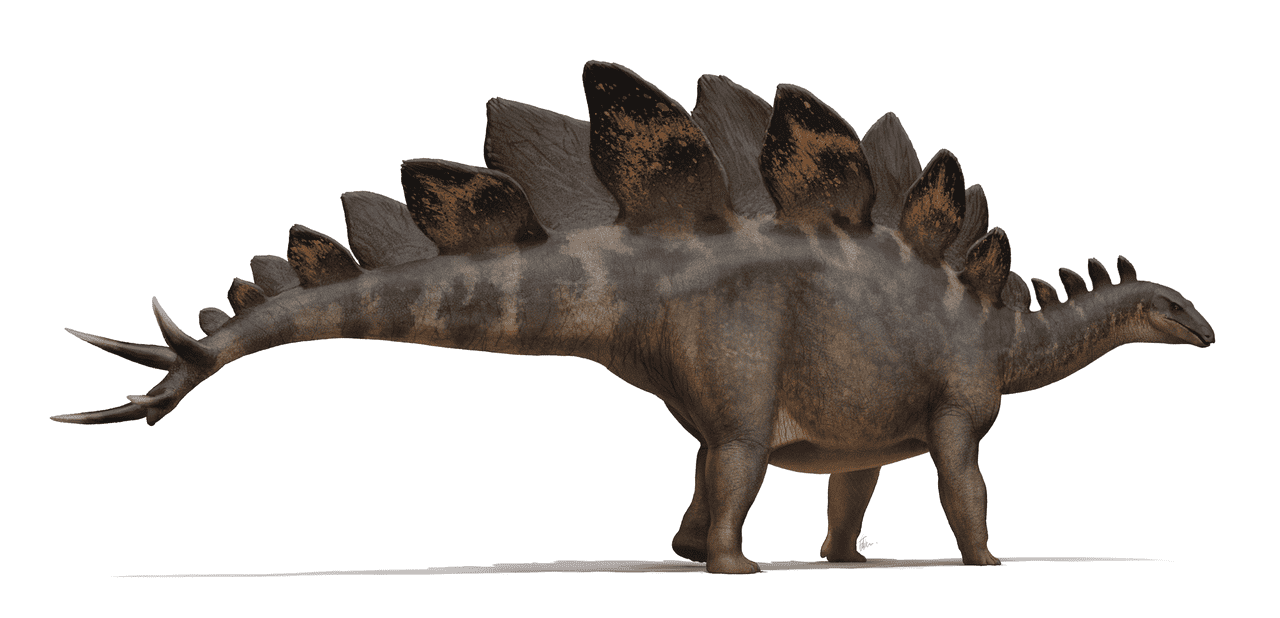
Stegosaurus was a genus of herbivorous dinosaurs in the family Stegosauridae. It had about 78 small, triangular, flat teeth, which it used to feed mainly on plants such as mosses, ferns, horsetails, cycads, and conifers. Wear marks on fossil teeth indicate that Stegosaurs probably ground their food, although the specific way they processed their food is still unclear. The teeth are thought to have been Stegosaurus They did not press against each other directly, as in most herbivores, and therefore did not present a very efficient grinding surface. They also seem to have been able to move their jaws only in an up-and-down direction, and this aspect is quite primitive compared to other herbivorous dinosaurs.
Mosasaur
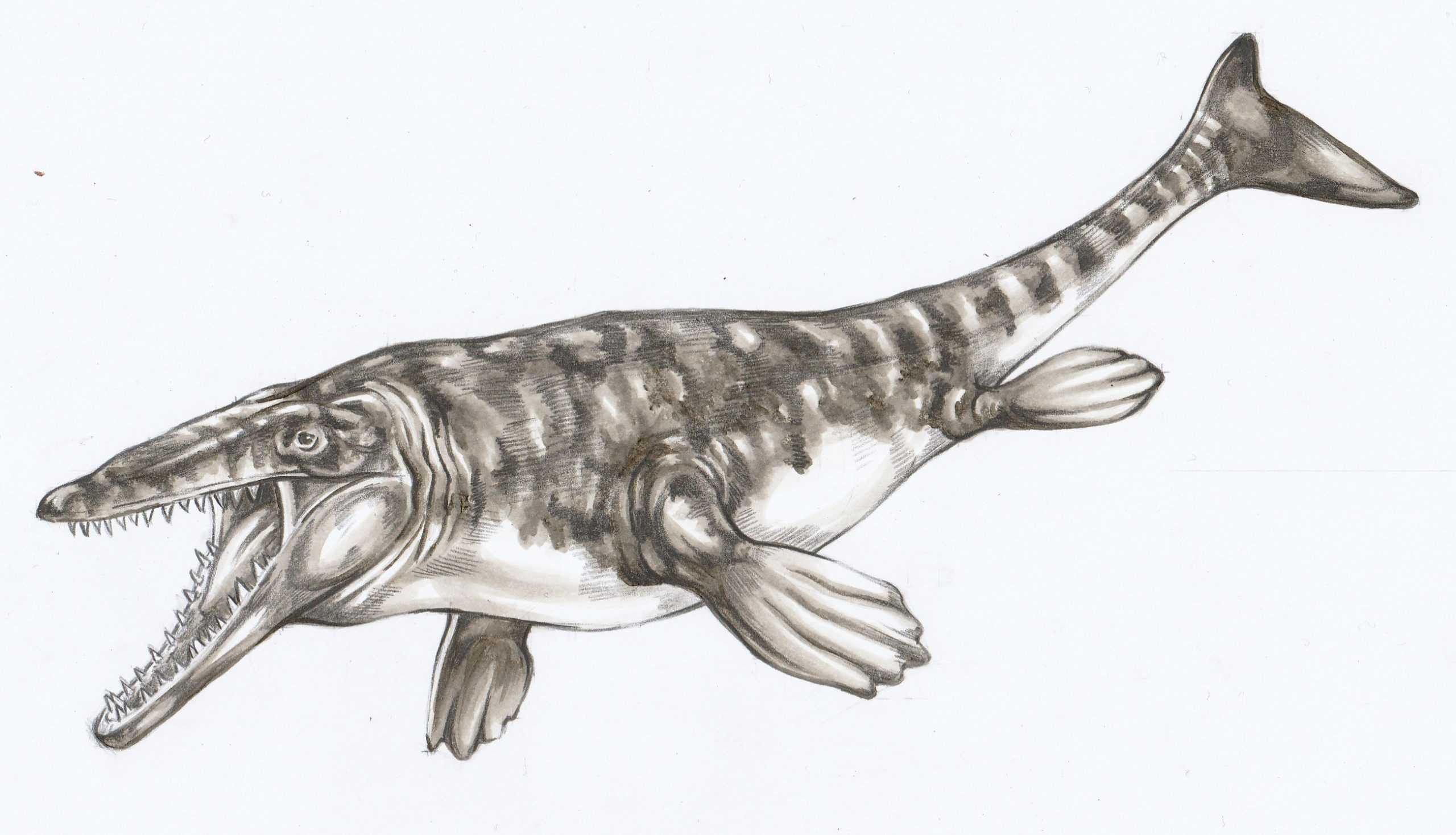
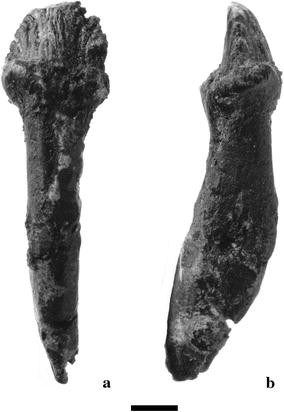
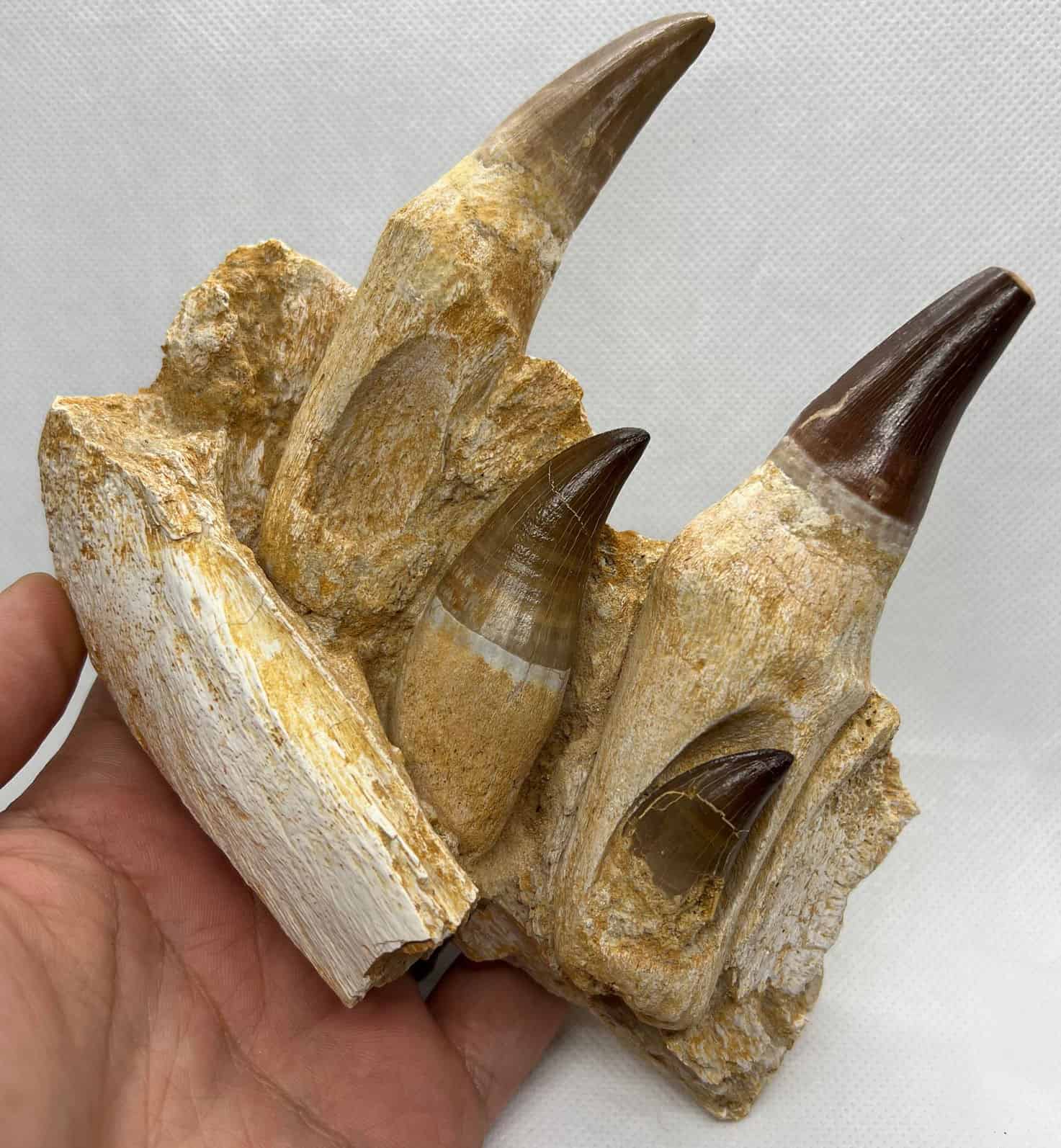
Mosasaurs were aquatic predatory reptiles related to modern-day monitor lizards that dominated the seas and oceans of the Late Cretaceous. The characteristics of Mosasaur teeth vary by species, but there are also similarities between them. Similarities include a specialized design for cutting prey, prismatic surfaces, and two opposing cutting edges. The teeth of Mosasaurus are large and robust, except for those of M. conodon and M. lemonnieri, which instead have thinner teeth. The cutting edges of the teeth of Mosasaurus differs depending on the species. The cutting edges in the case of species M. hoffmannii and M. missouriensis are finely serrated, while at M. conodon and M. lemonnieri the serrations are completely missing. The cutting edges of M. beaugei they are neither jagged nor smooth, but possess tiny wrinkles known as crenulations.
Species of Mosasaurus They had four types of teeth, classified based on the jaw bones where they were located. On the upper jaw there were three types: premaxillary teeth, maxillary teeth, and pterygoid teeth. On the lower jaw only one type, simple teeth – „dentary teeth”, was present. Starting from front to back, the dental morphology of Mosasaurs was: 2 premaxillary teeth, 12 to 16 maxillary teeth, and 8 to 16 pterygoid teeth on the upper jaw, and on the lower jaw between 14 and 18 simple teeth. The teeth were largely consistent in size and shape (homodont teeth), with the exception of the smaller pterygoid teeth (teeth in the pterygoid area – the central part of the upper jaw).
The teeth of Mosasaurus were replaced throughout life. Fine growth lines can be preserved inside them, helping researchers estimate how long it took for dentine, the tissue beneath the enamel, to form.
In one specimen studied, researchers estimated approximately 511 days for the deposition of the dentine analysed in the tooth in use, and 233 days for that observed in the replacement tooth, which was still forming.
Plesiosaur
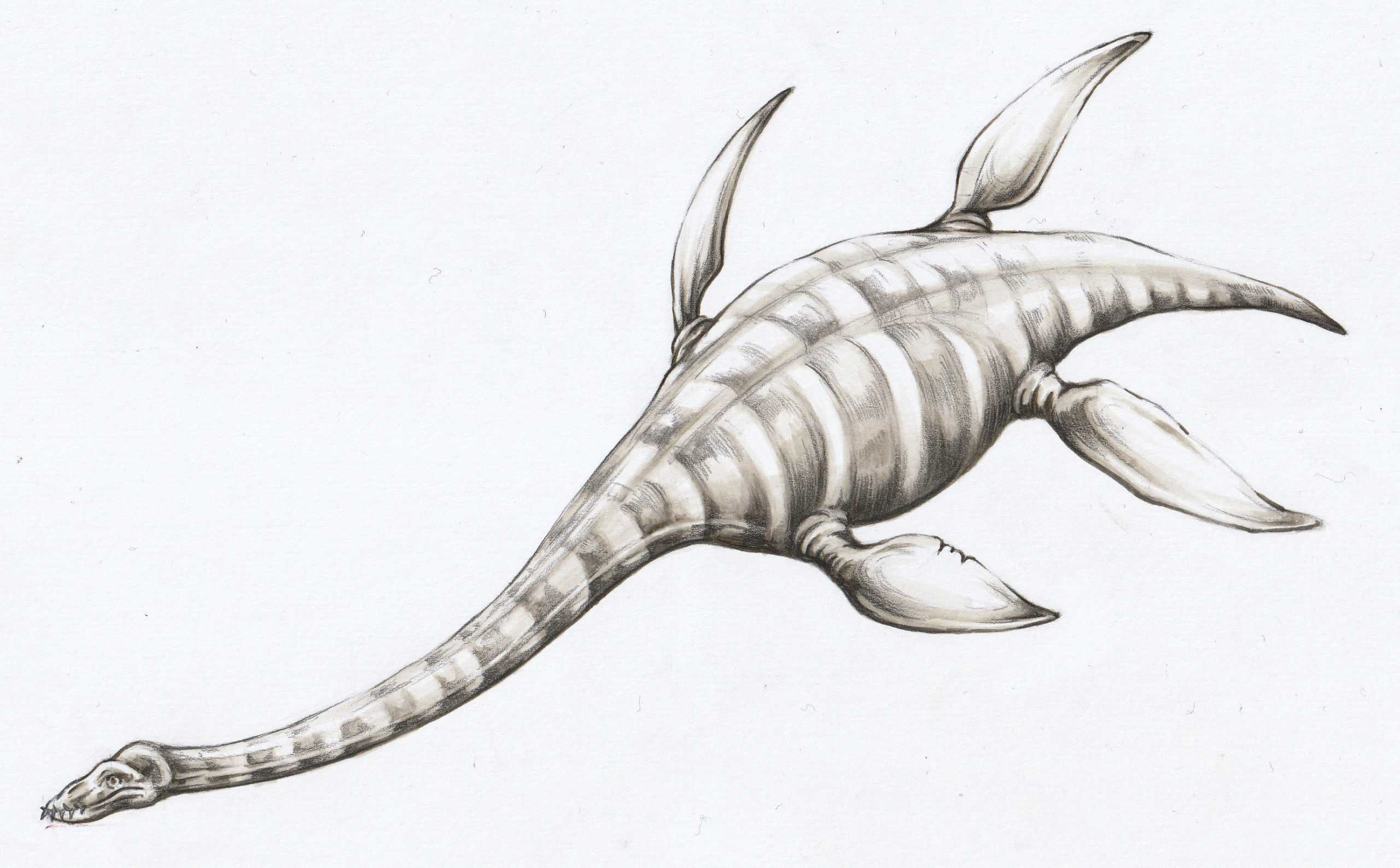
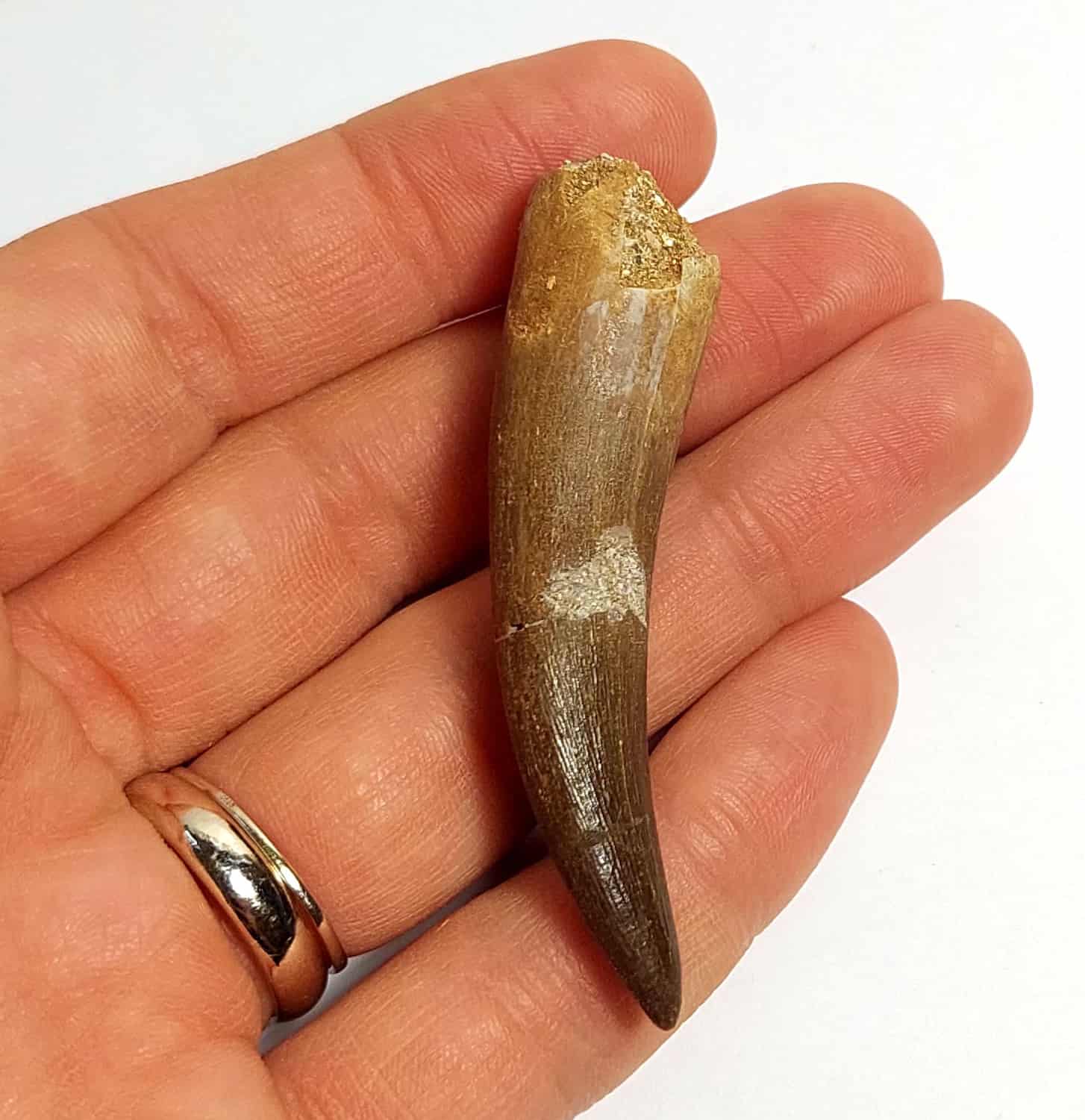
Plesiosaurs were predatory marine reptiles whose dentition varied between groups. Many long-necked forms had slender, sharp, slightly curved teeth suited to catching and holding prey. Tooth number, size and shape differed between species.
Pliosaurids, members of the family Pliosauridae, belonged to this broader group. A study published in 2015 analysed dentition and tooth replacement in several members of the family. In the specimens of Pliosaurus studied, the large teeth at the front of the jaws had longer replacement cycles and a symmetrical pattern on the two sides. The smaller posterior teeth had shorter cycles and a less symmetrical pattern.
Pterosaur (Anhanguera sp.)
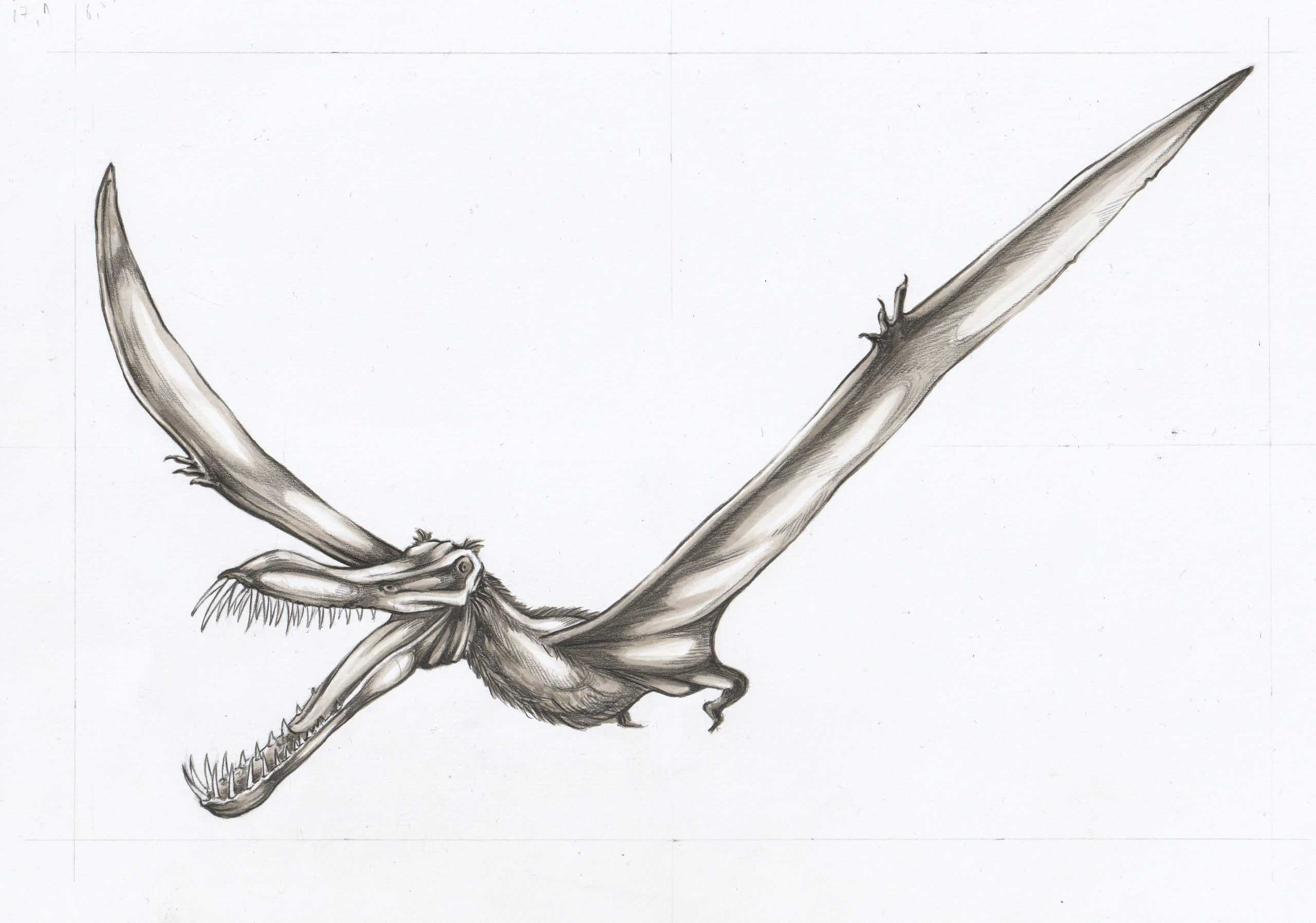
Anhanguera is a genus of Pterosaur which lived in Brazil, in the Early Cretaceous (Albian period, from 125 million years ago to 112 million years ago) and in Morocco, in the Late Cretaceous (Cenomanian period, from 98 to 93 million years ago). The vast majority of Pterosaurs gave up their teeth during the Cretaceous period, most likely to reduce the weight of their beaks, thus aiding them in flight, but Anhanguera retained its teeth. Anhanguera had rounded crests on the upper and lower parts of its beak. Its jaws contained inclined, curved, conical teeth of varying sizes and orientations, adapted for catching fish and other slippery marine animals. Like other reptiles, Anhanguera replaced its teeth periodically throughout life.
Stable isotopes in dinosaur teeth: evidence of migration
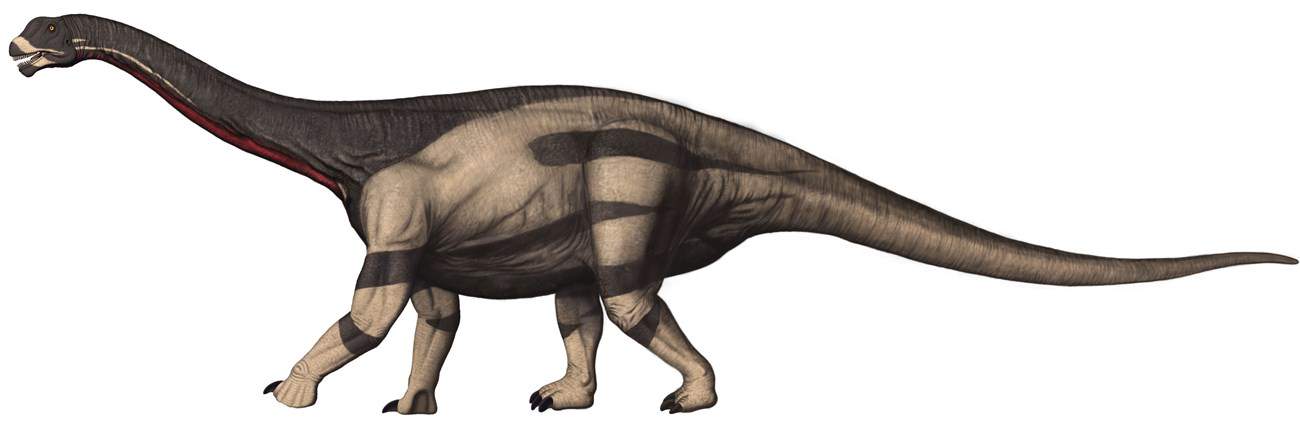
A 2011 study of several sauropod dinosaur teeth collected in the western United States provided important evidence for seasonal migration over medium and long distances.
The study led by geochemist Henry Fricke from Colorado College in Colorado Springs (USA), explains, based on the analysis of stable isotopes of oxygen-16 and oxygen-18 identified in fossil dinosaur teeth, the migratory behavior of some species of the genus Camarasaurus. The teeth date to the Late Jurassic (160–145 million years ago) and were collected from the Morrison Basin in Wyoming and Utah.
The researchers measured oxygen-16 and oxygen-18 isotope ratios in tooth enamel and compared them with those in local sedimentary rocks. In vertebrates, oxygen isotope ratios in teeth provide information about the water consumed during life. Sedimentary rocks also preserve isotope ratios characteristic of their depositional environment. If the oxygen isotope proportions in a tooth differ from those in rocks near the fossil’s discovery site, the animal must have occupied a different location when that tooth developed.
That's exactly what the researchers found. Some teeth matched the sedimentation basin, while others had a much lower proportion of oxygen-18, indicating that their former owners likely spent time at higher altitudes. Oxygen-18 levels are low at high altitudes because the heavy isotope is released from clouds in rain as they rise and cool. Morrison Basin camarasaurs must have migrated at least 300 kilometers between the basin and the western highlands, according to Fricke.
Dinosaur migration during life
In the same study, the researchers analysed several dinosaur teeth from their bases to their tips. The earliest enamel, at the tooth bases, indicated a high-elevation environment similar to a mountainous setting. By contrast, the more recently formed enamel near the tips indicated a sedimentary basin environment.
This pattern suggests that the dinosaur migrated from the basin to upland areas as its teeth developed. Because the animal was found in the basin, it must have returned there at some point, potentially during a seasonal migration.
Conclusions
Dinosaur teeth are among the most widely collected fossils from the history of life on Earth. Their durable internal structure and mineral composition make them relatively common in palaeontological collections. In addition to being comparatively easy to find and collect, these teeth have considerable scientific value. Studies of dinosaur teeth provide detailed insights into the lifestyles of the prehistoric animals that dominated the Earth millions of years ago.
References
- Cressey, D. Tooth chemistry reveals sauropod sojourns. Nature (2011) – https://doi.org/10.1038/news.2011.612
- Fricke, H., Hencecroth, J. & Hoerner, M. Lowland–upland migration of sauropod dinosaurs during the Late Jurassic epoch. Nature 480, 513–515 (2011) – https://doi.org/10.1038/nature10570
- Hu, J., Forster, CA, Xu, X., Zhao, Q., He, Y., & Han, F. (2022). Computed tomographic analysis of the dental system of three Jurassic ceratopsians and implications for the evolution of tooth replacement pattern and diet in early-diverging ceratopsians. eLife.11: e76676 DOI: 10.7554/eLife.76676
- Judyth Sassoon, Davide Foffa, Ryan Marek – Dental ontogeny and replacement in Pliosauridae. (2015) – https://doi.org/10.1098/rsos.150384
- Jean-Paul Billon-Bruyat, Jean-Michel Mazin & Joane Pouech – A stegosaur tooth (Dinosauria, Ornithischia) from the Early Cretaceous of southwestern France (2010) – https://doi.org/10.1007/s00015-010-0028-y
- Nicola S. Heckeberg, Oliver WM Rauhut – Histology of spinosaurid teeth from the Albian-Cenomanian of Morocco: Implications for tooth replacement and ecology (2020) – https://doi.org/10.26879/1041
- Wang, CC., Song, YF., Song, SR. et al. Evolution and Function of Dinosaur Teeth at Ultramicrostructural Level Revealed Using Synchrotron Transmission X-ray Microscopy. Sci Rep 5, 15202 (2015) – https://doi.org/10.1038/srep15202
- https://oatuu.org/triceratops-teeth-a-fascinating-look-into-the-dentition-of-this-mighty-dinosaur/
- https://mediarelations.uwo.ca/2020/04/23/dinosaur-tooth/
- https://palaeo-electronica.org/content/2019/2806-dental-features-in-theropods
- https://palaeo-electronica.org/content/2011-11-30-22-01-23/3210
- https://www.nps.gov/dino/learn/nature/camarasaurus-lentus.htm
- Erickson, G. M. et al. (2015). Wear biomechanics in the slicing dentition of the giant horned dinosaur Triceratops.
- Royal Botanic Gardens, Kew. Meet the oldest potted plant in the world.
Additional sources: Chinsamy, Tunoğlu and Thomas (2012), institutional summary.
