
Dinosaur and other prehistoric reptile teeth are among the best-known fossils. From Tyrannosaurus rex to Triceratops, sauropods, mosasaurs and pterosaurs, these specimens provide evidence of life millions of years ago and contribute […]
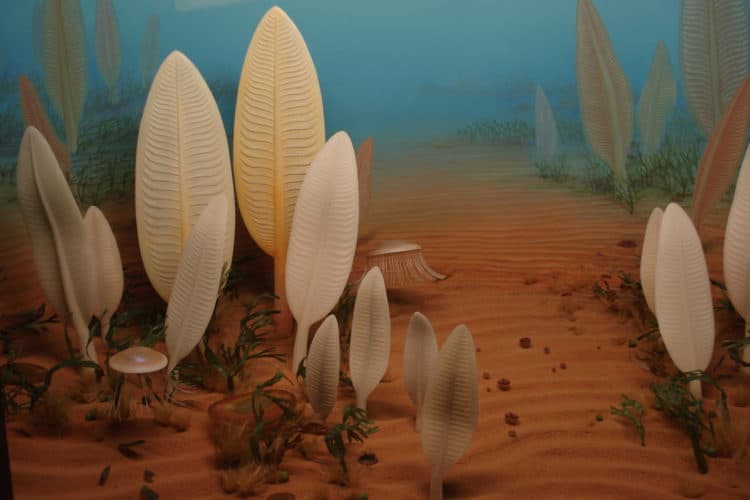
For approximately four billion years, life on Earth consisted of single-celled organisms. Around 575 million years ago, multicellular organisms appeared and began to diversify. The causes of this event, known as the Avalon explosion, remain uncertain. This […]

Tens of millions of years ago, Antarctica had a much warmer climate than it does today. Its flora and fauna differed considerably from those of the present day, and dinosaurs inhabited the continent. Palaeontologists have identified only five of the dinosaurs that […]
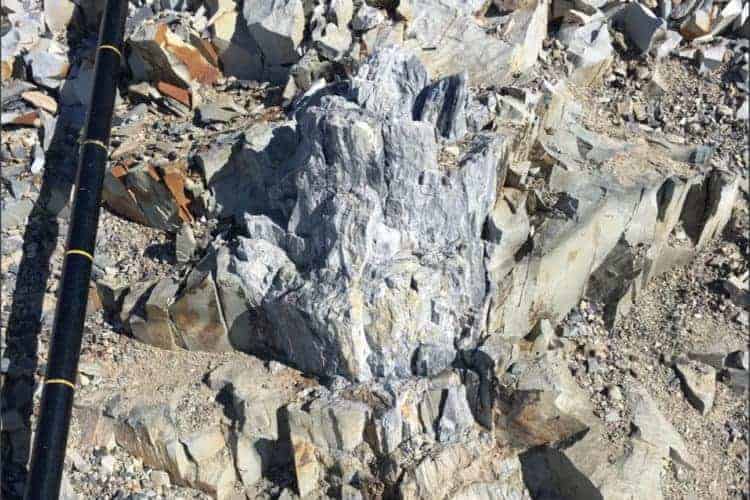
An expedition to Antarctica uncovered an ancient forest dating to approximately 260 million years ago. This fossilised forest provides evidence that the now-frozen continent was once covered by forests. Antarctica is commonly associated with snow and ice […]

Researchers discovered an approximately 120-million-year-old assemblage of 25 dinosaur specimens in north-eastern China. One larger individual may have acted as a caregiver to the juveniles. Like other organisms, dinosaurs […]
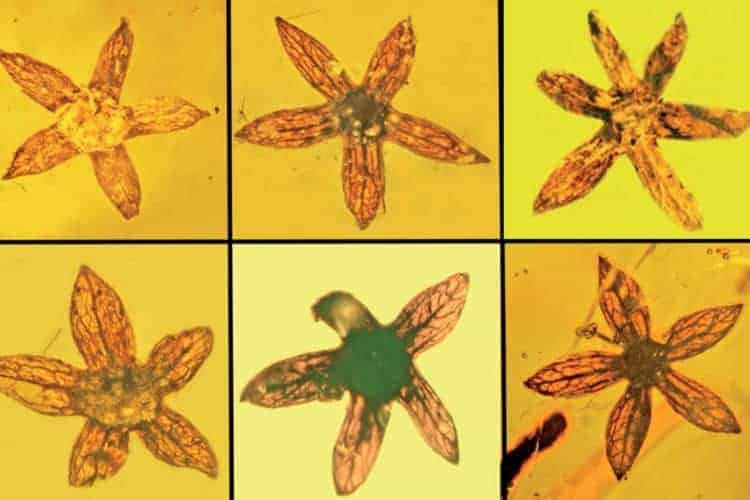
A piece of approximately 100-million-year-old amber from Myanmar, studied by Professor George Poinar Jr., preserved flowers from the Cretaceous. These specimens provide early evidence of sexual reproduction in flowering plants. A […]
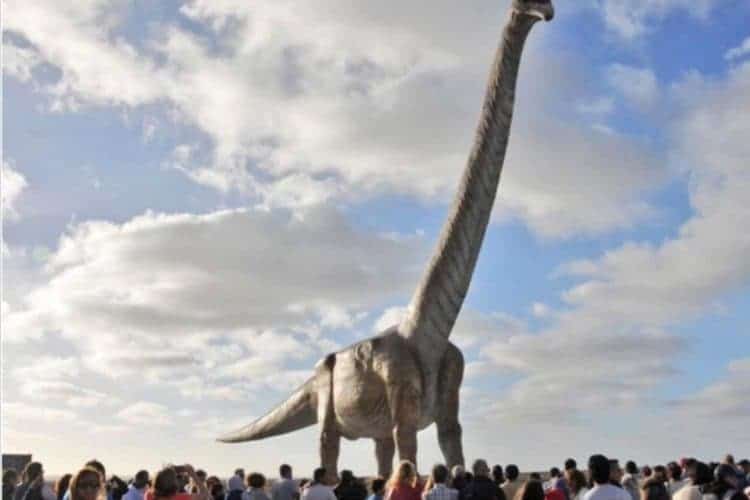
A titanosaur discovered in Argentina was described as the largest dinosaur known at the time. Patagotitan mayorum weighed approximately 69 tonnes and measured 37 metres in length, almost as long as a Boeing 737 aircraft. It could reach a height of […]
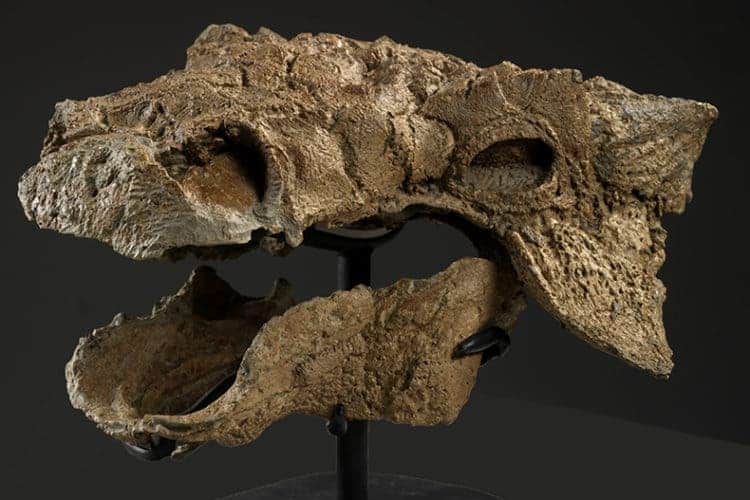
An exceptionally complete and well-preserved ankylosaur fossil was discovered in North America. Its appearance resembles Zuul, the fictional creature from Ghostbusters. Found in the Judith River Formation in Montana, USA, Zuul crurivastator was described as the most complete skeleton of its kind discovered in North […]
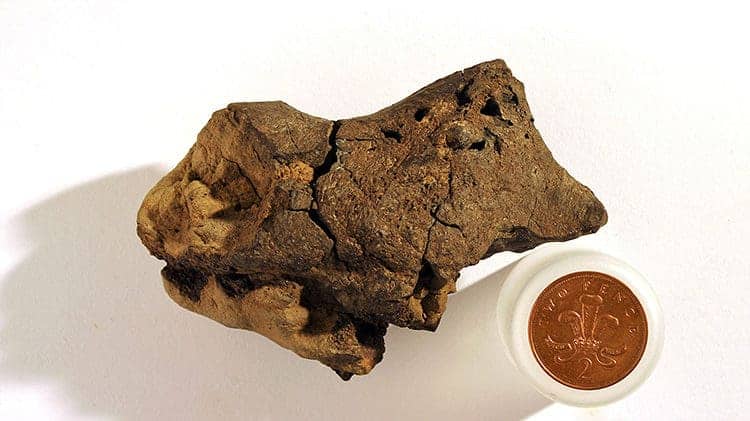
British and Australian researchers identified what was described as the first known fossilised dinosaur brain tissue. The fossil was discovered in Sussex, England, in 2004, but its significance was recognised more than a decade later. […]

Chinese palaeontologists described a dinosaur tail exceptionally well preserved in amber. The specimen is estimated to be more than 99 million years old. On 9 December 2016, CNN reported the discovery, which attracted international attention as a significant palaeontological find […]
