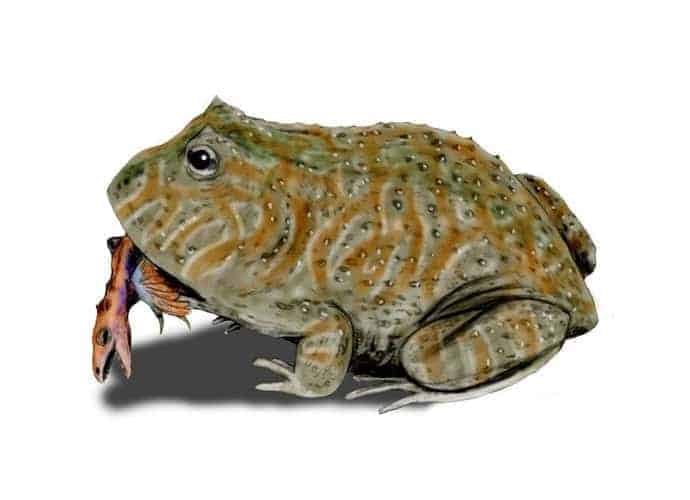
Approximately 70 million years ago, during the Cretaceous, the giant frog Beelzebufo ampinga could reach 41 cm in length. Its powerful bite may have enabled it to prey on small dinosaurs. Dinosaurs were not the only large animals living at that time […]
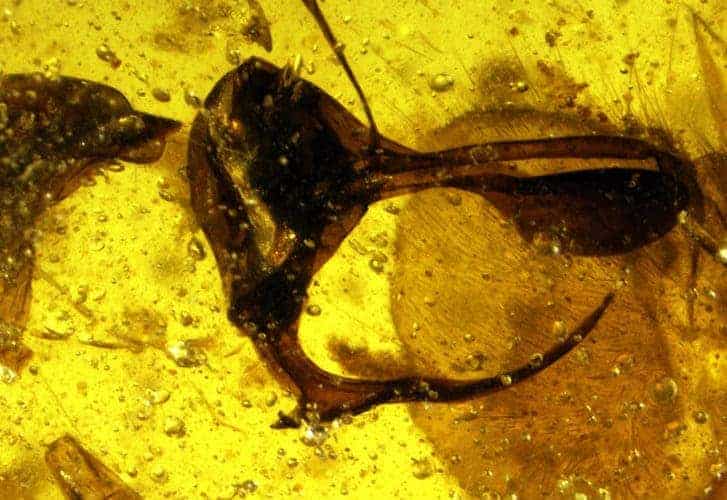
A new species of “hell ant” was discovered in 98-million-year-old amber from Myanmar, formerly Burma. Linguamyrmex vladi possessed powerful jaws and a sharp, metal-reinforced horn, which it may have used to pierce prey and feed on haemolymph. The amber deposits […]
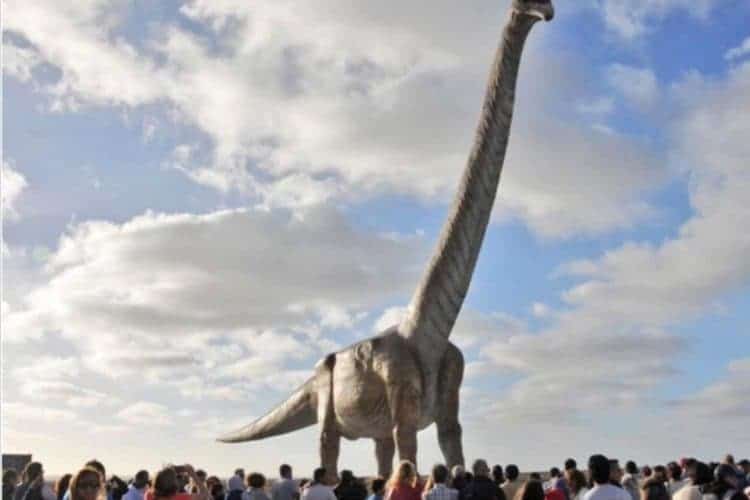
A titanosaur discovered in Argentina was described as the largest dinosaur known at the time. Patagotitan mayorum weighed approximately 69 tonnes and measured 37 metres in length, almost as long as a Boeing 737 aircraft. It could reach a height of […]

Although humans live on land, approximately 375 million years ago all vertebrates inhabited aquatic environments, while terrestrial ecosystems contained plants and invertebrates. During the transition towards life on land, some fishes developed structures that preceded limbs and enabled movement beyond […]
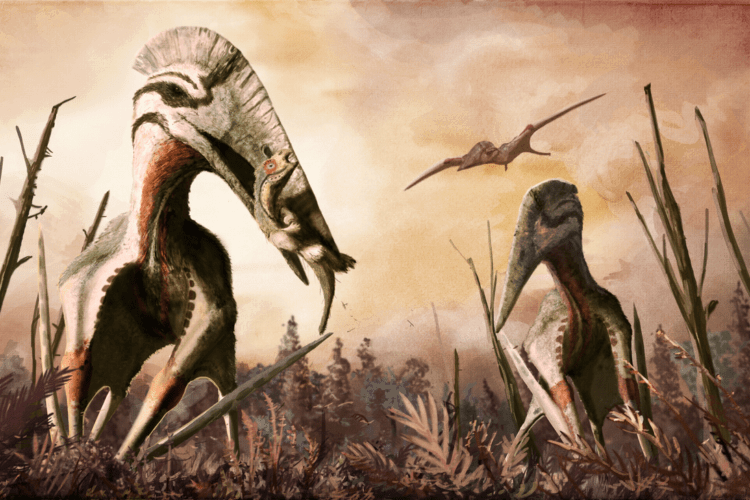
Hatzegopteryx was a giant prehistoric flying reptile discovered in the Hațeg region of Romania. It lived approximately 71–65 million years ago, near the end of the Cretaceous, and had a wingspan of 10–11 metres, comparable to that of a small aircraft. During the Cretaceous, approximately 145.5–65.5 million years ago, […]
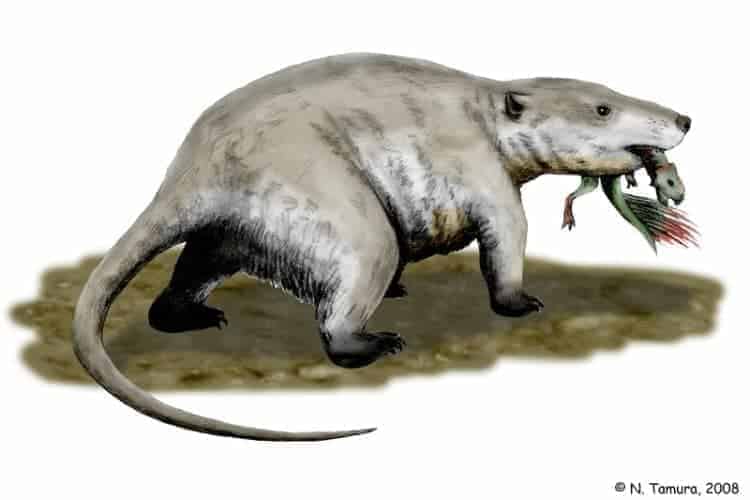
Not all Mesozoic mammals were vulnerable to dinosaurs. Fossils from China reveal that Repenomamus could consume small dinosaurs in Early Cretaceous forests. One species was named Repenomamus giganticus. Repenomamus was unusually large for a mammal of the Cretaceous, approximately 145.5–65.5 million years ago. While most mammals […]
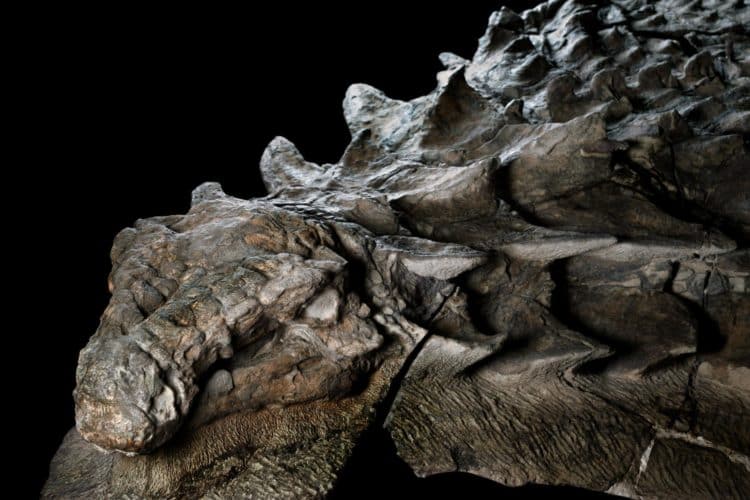
A nodosaur fossil discovered in Canada preserves the animal’s natural armour in exceptional detail, including spines, scales and bony plates. Found during mining operations in Alberta in 2011, the specimen preserves the dinosaur from its snout to its hips […]
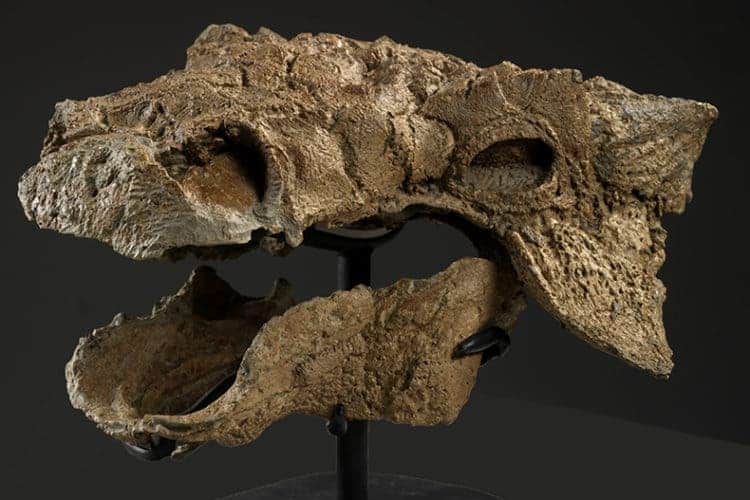
An exceptionally complete and well-preserved ankylosaur fossil was discovered in North America. Its appearance resembles Zuul, the fictional creature from Ghostbusters. Found in the Judith River Formation in Montana, USA, Zuul crurivastator was described as the most complete skeleton of its kind discovered in North […]
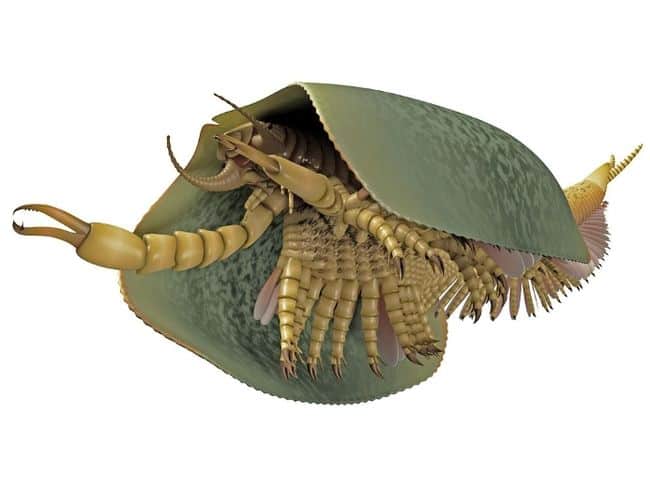
A significant palaeontological discovery was made in Canada in 2012. Researchers identified one of the earliest known predators in Kootenay National Park, British Columbia, in deposits approximately 508 million years old. Tokummia katalepsis resembled a […]
