Humans find it difficult to imagine life away from dry land, yet until approximately 375 million years ago the continents were inhabited only by plants and insects, while all vertebrates lived in water. One of the early fish to develop limb-like structures and move out of water during the transition towards terrestrial life was Tiktaalik roseae.
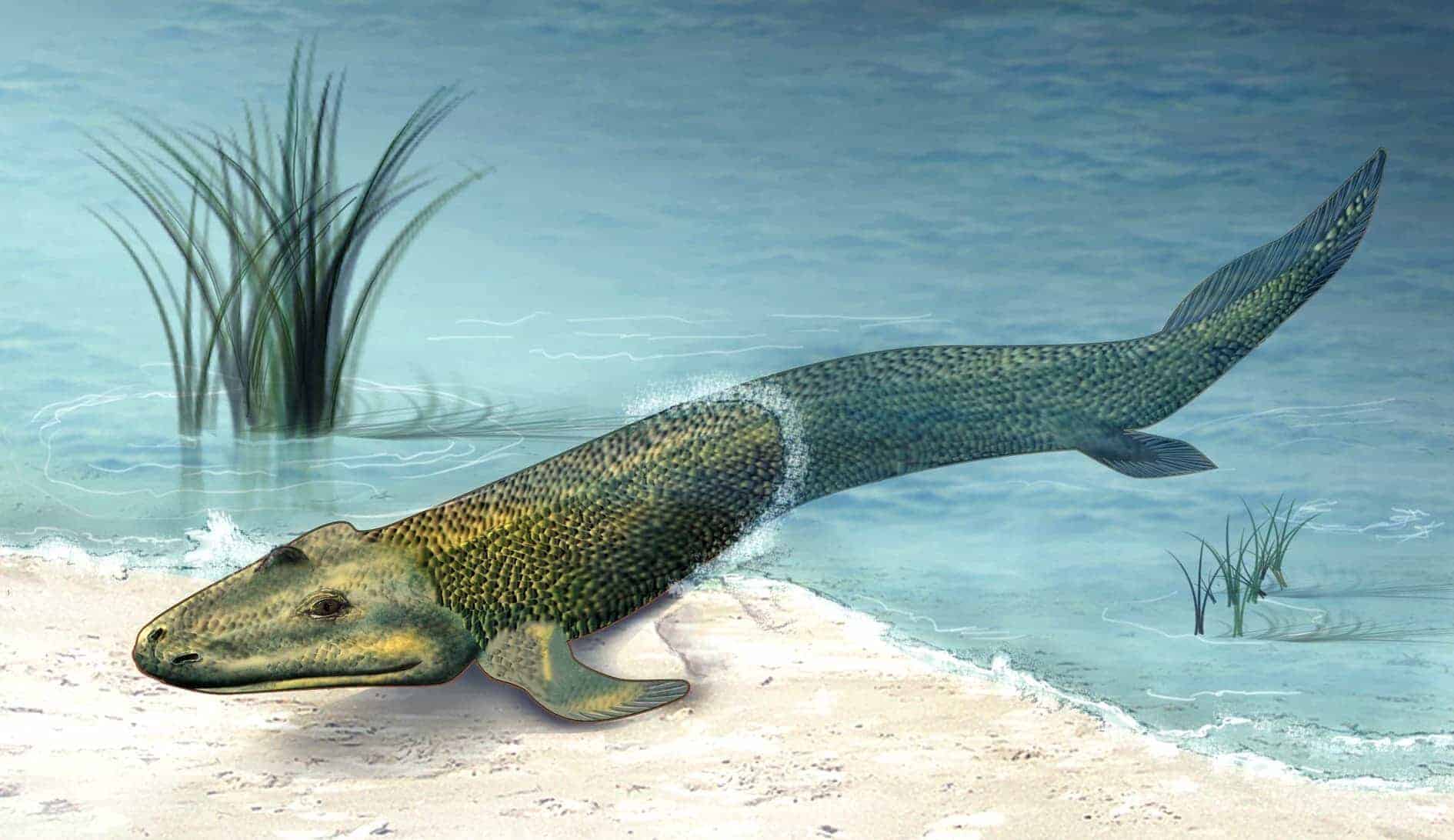
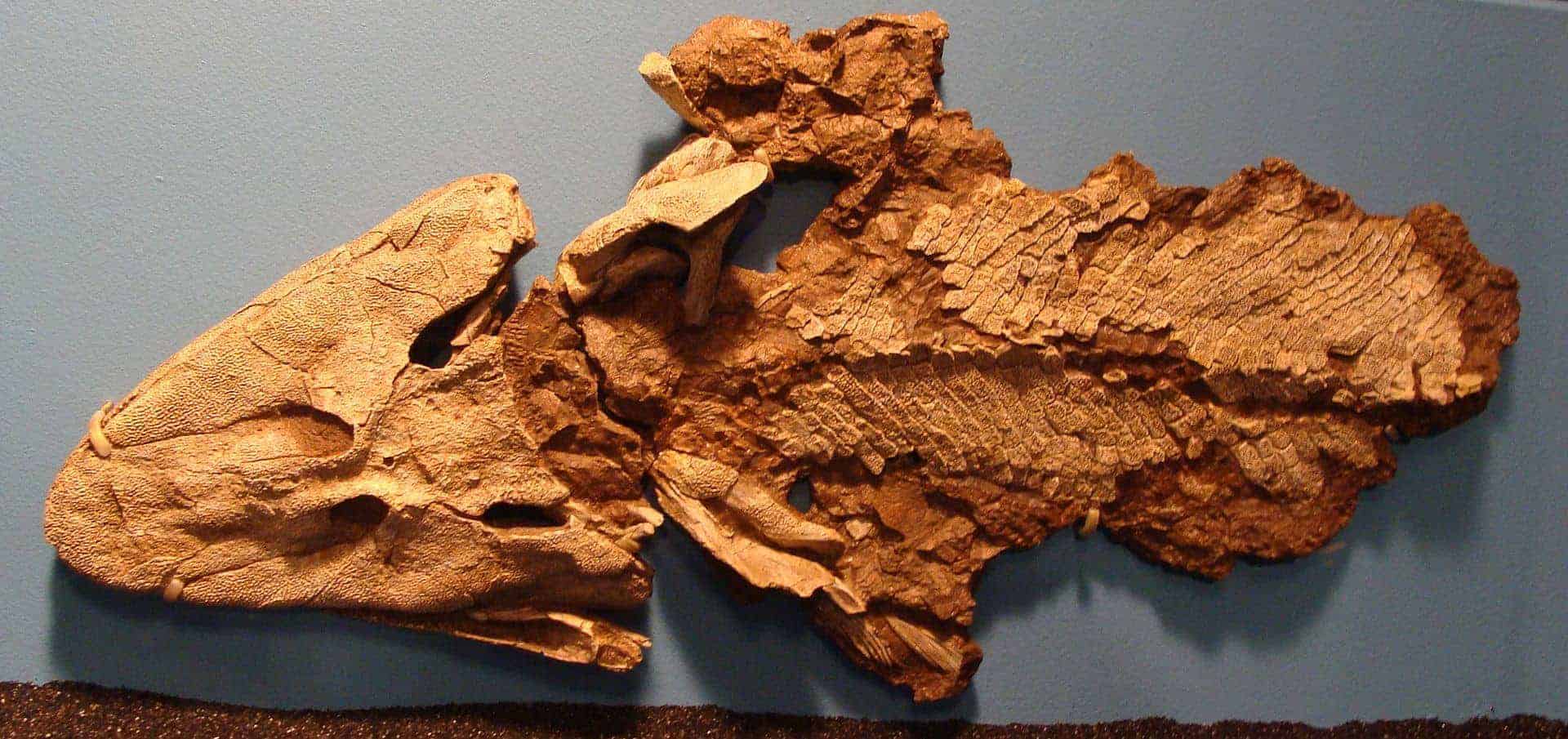
For more than a century, researchers have sought to reconstruct the evolution of life on Earth. Life began in the oceans, and genetic evidence shows that four-limbed vertebrates, or tetrapods, descended from fish adapted to life on land. Which fish first ventured out of water? In 2004, Neil Shubin, Edward Daeschler and Farish A. Jenkins made an important discovery that clarified part of this transition: a 375-million-year-old Devonian fossil of an animal named Tiktaalik roseae.
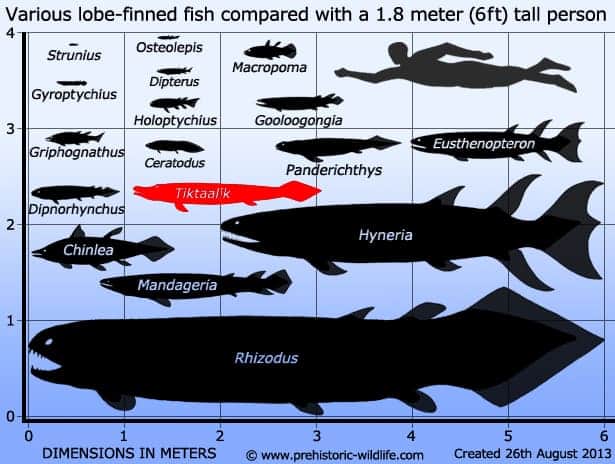
Tiktaalik combined fish-like and amphibian-like features. It belonged to the class Sarcopterygii, the lobe-finned fishes, and had a large, flattened head and sharp teeth, resembling a combination of a fish and a crocodile. It could reach 2.5 metres in length and had gills, scales and fins, as well as tetrapod-like features: a mobile neck, a robust rib cage and openings in the skull suggesting primitive lungs. Its large front fins had shoulder, elbow and partial wrist structures, allowing it to support its body weight and move through mud or onto land. Its dorsal fins were also sufficiently developed to assist swimming and support when required. Eyes positioned on top of the head suggest that it often looked upwards, perhaps above the water.
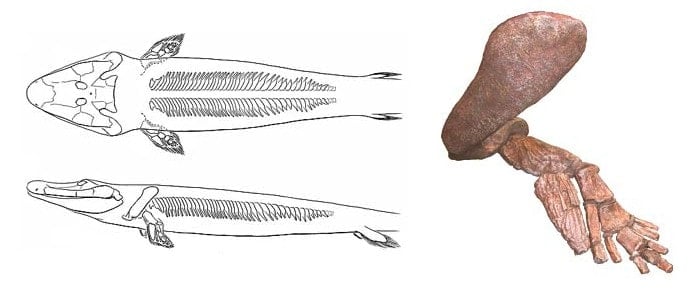
Tiktaalik is what palaeontologists call a transitional fossil, linking fish and amphibians. It inhabited shallow waters near the shore, possibly providing refuge from predators. Strengthened front and dorsal fins allowed it to support its body and move, while primitive lungs enabled activity in mud at the water’s edge and on land. Although Tiktaalik probably spent most of its time in water and ventured out only when necessary, the absence of terrestrial predators and the abundance of food, including insects and plants, may eventually have encouraged animals such as Tiktaalik to make a permanent transition to terrestrial life.
A particularly notable feature is that the limb bones of Tiktaalik closely resemble the basic limb structure of living terrestrial vertebrates, including humans, with shoulder, elbow, wrist and digit-like structures incorporated into the fins. This suggests that Tiktaalik roseae may have been a common ancestor of terrestrial vertebrates, including humans, representing an evolutionary link.
Sources: University of Chicago, ScienceDaily
