For decades, scientists have been trying to determine what the famous Tyrannosaurus rex. Did it have reptile-like scaly skin, or was it covered in feathers like velociraptors? Recently discovered skin fragments from Tyrannosaurus rex provide evidence relevant to this question.
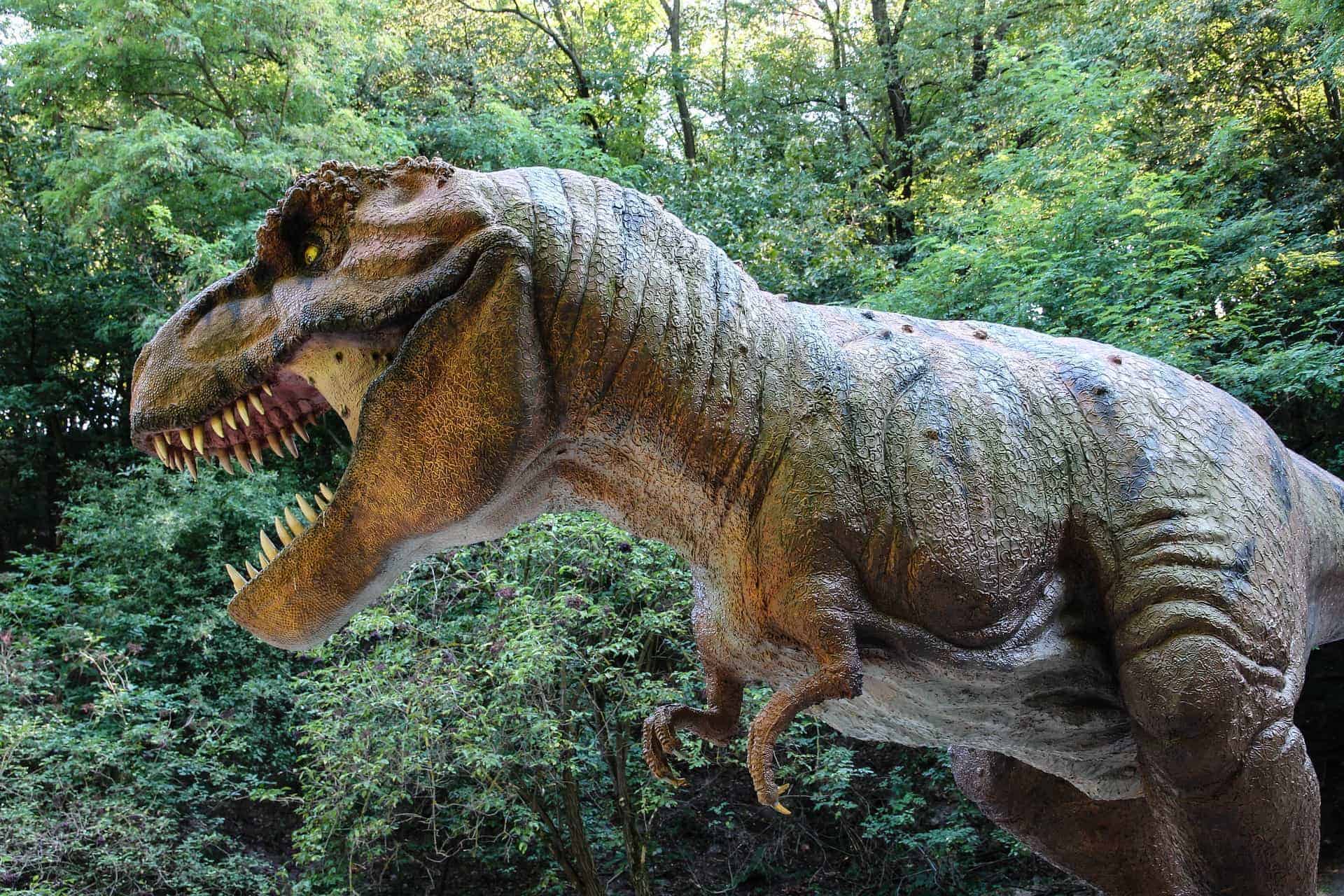
A question has haunted paleontologists and dinosaur enthusiasts for years – what did the famous dinosaur actually look like? Tyrannosaurus rexWe know that birds are descended from dinosaurs and that certain species of dinosaurs like velociraptors did indeed have some sort of primitive feathers, but was this also true of the famous T-Rex?
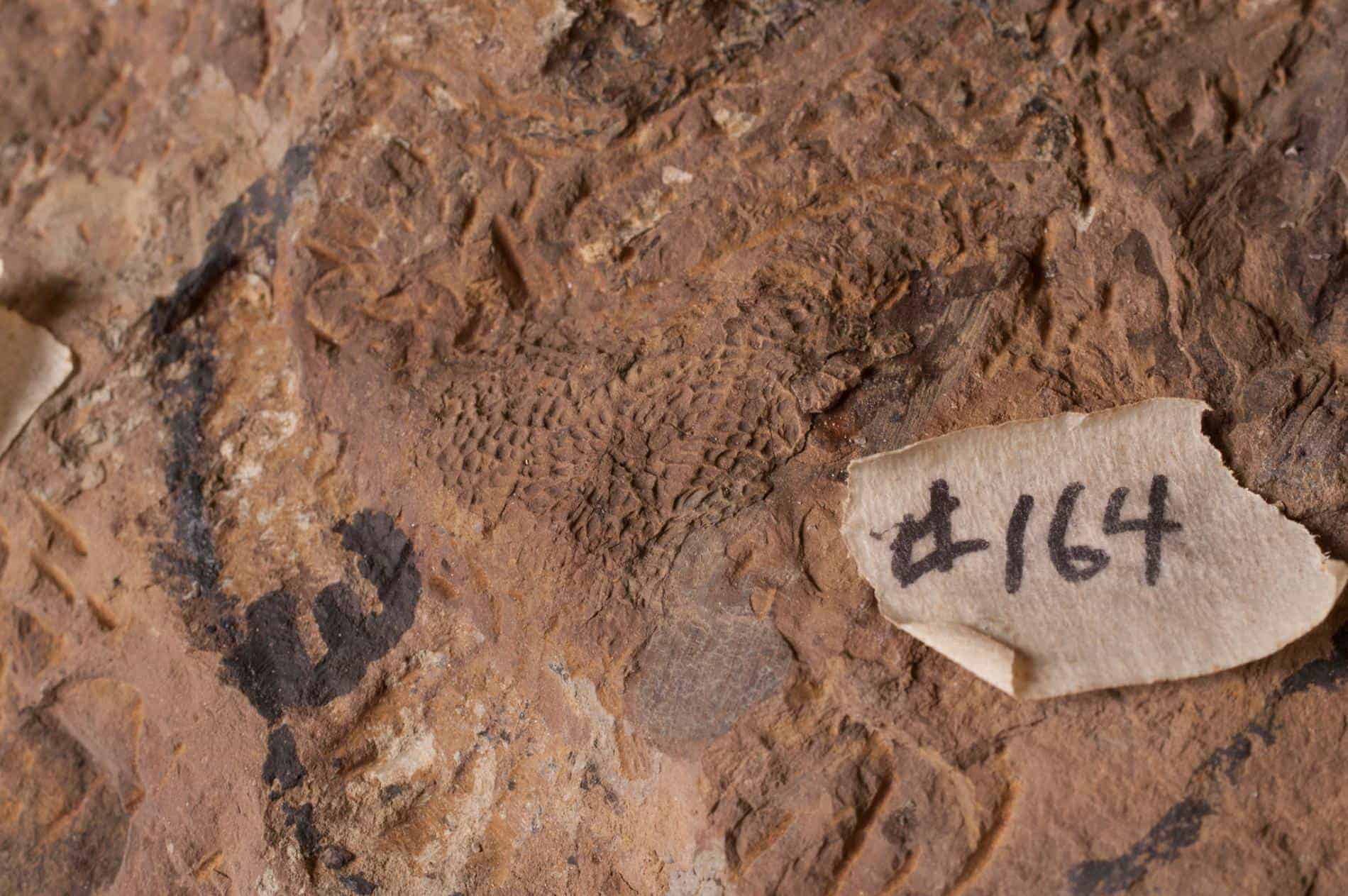
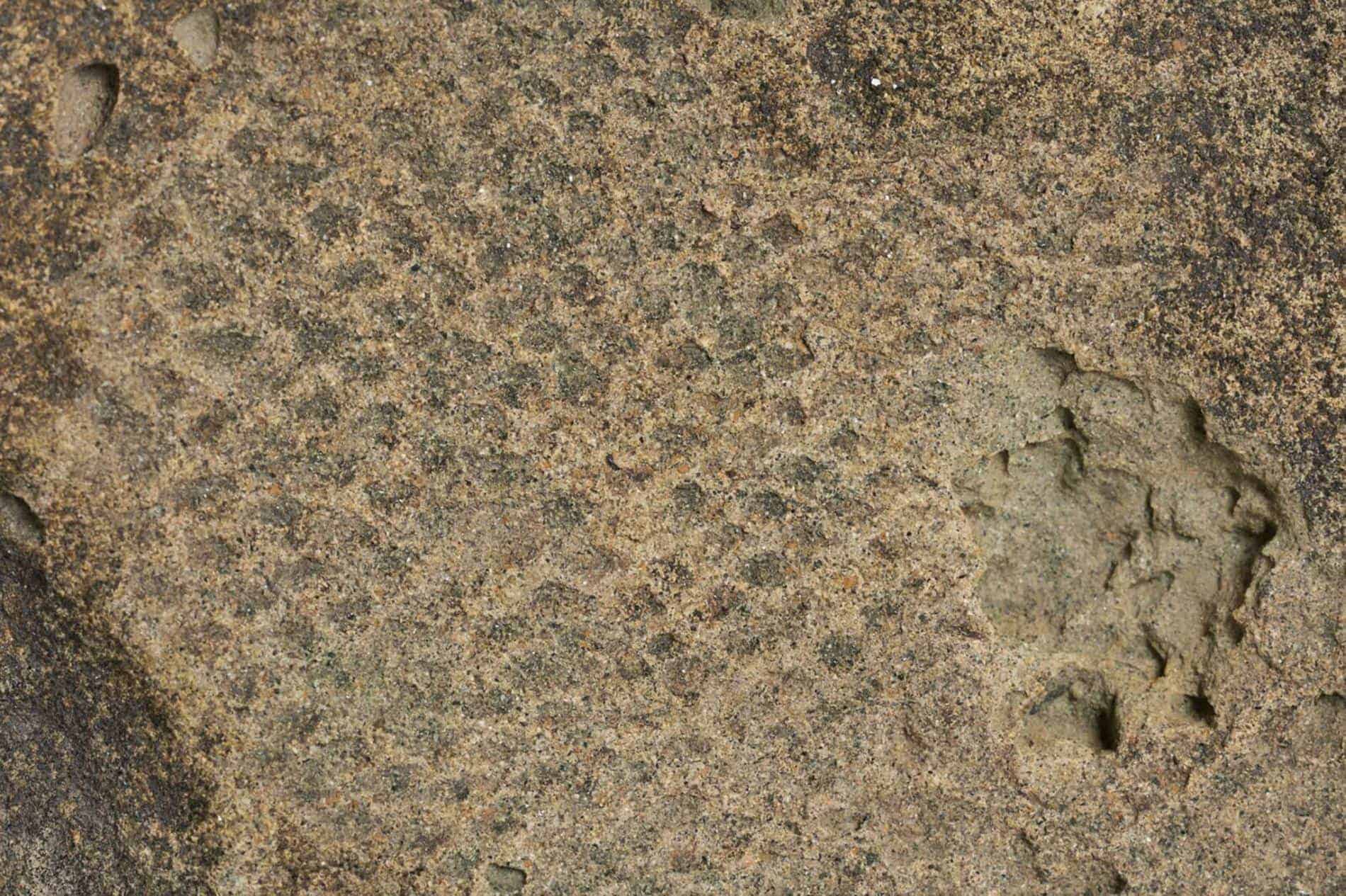
New fossilised skin specimens from Tyrannosaurus rex, discovered in Baker, Montana, may help answer this question. Several skin impressions were compared with specimens from other tyrannosaur species, including Albertosaurus, Daspletosaurus, Gorgosaurus and Tarbosaurus. The verdict – all of these species had skin textured in small, pebble-like scales, and did not appear to be covered in feathers.
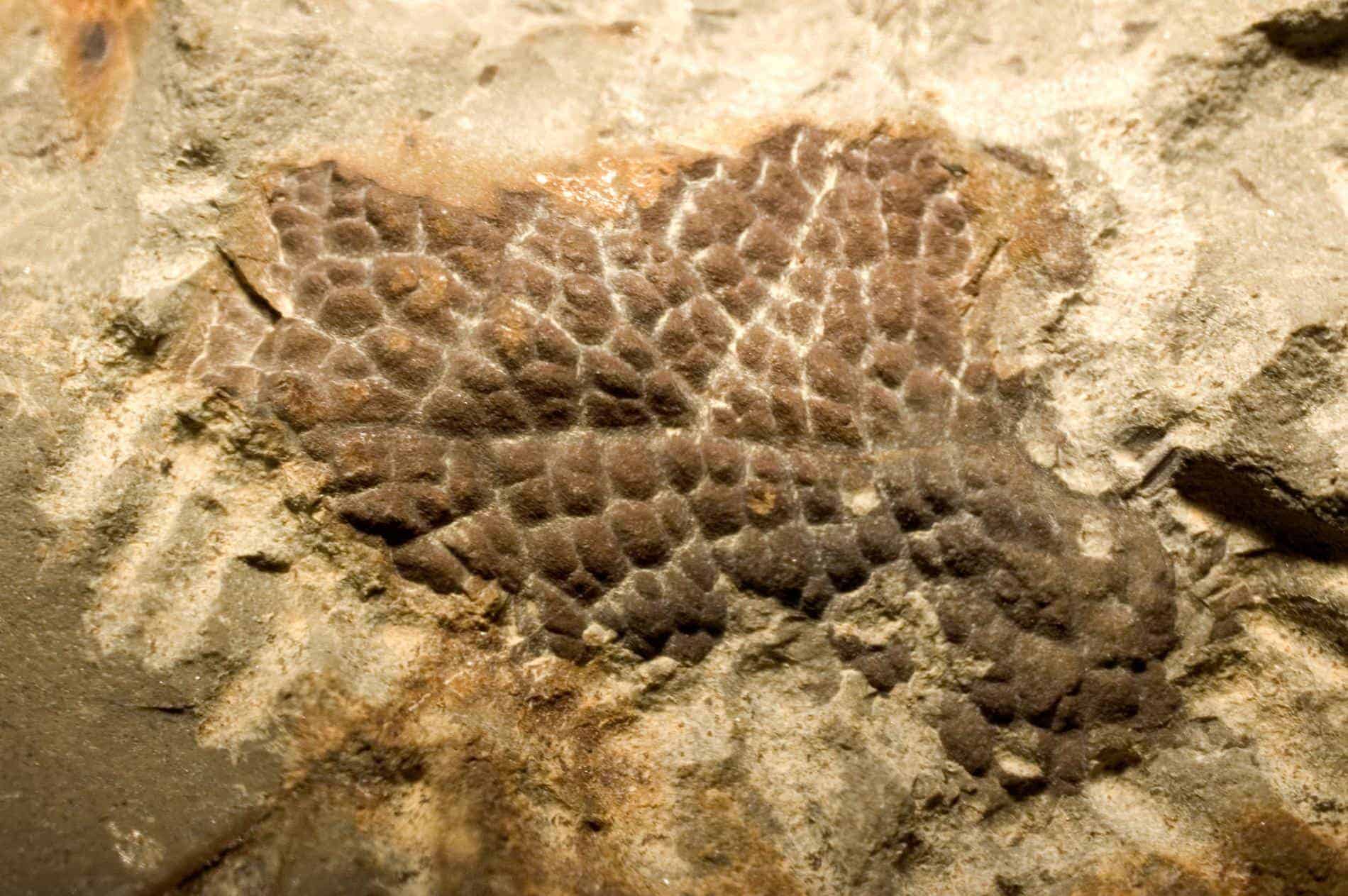
Scott Persons, a paleontologist at the University of Alberta who studied these skin samples, said: “Now that we have found this multitude of pieces of skin Tyrannosaurus from various parts of the body, we think it is quite clear that at least the vast majority of T-Rex's body was not covered in feathers." He also says that this does not mean that T-Rex did not have feathers at all, but that if it did, they were very few and far apart. Most likely, the famous predators were covered in scaly skin, typical of reptiles.
However, the first species of tyrannosaurs, its ancestors T-Rex, they still had feathers. So what happened to them? Or, more precisely, why did tyrannosaurs develop feathers only to lose them later? The answer most likely has to do with the size the predators grew to.
The well-known Tyrannosaurus rex It is one of the last species of the tyrannosaur family and its size was considerably larger than that of the first species. As we know with animals today, the larger the body, the harder it is to cool down. Thus, feathers would have proved to be an inconvenience for the giant T-Rex, who had to run after its prey.
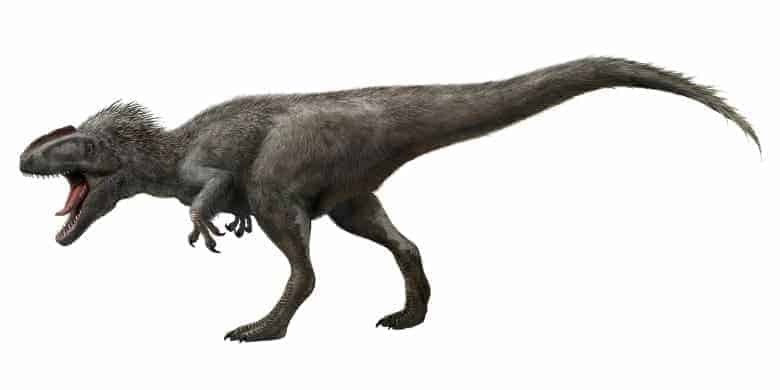
However, despite this logical assumption, paleontologists have found other species of tyrannosaurs that had feathers on fairly large portions of their bodies. An example would be Yutyrannus, a species found in what is now China. It was smaller than the T-Rex, but larger than Albertosaurus and Gorgosaurus. Yutyrannus had 20 cm long feathers over a large portion of its body. So size doesn't give us a complete answer.
Although scientists are still searching for answers to questions related to the evolution of feathers in tyrannosaurs, the image we had of the famous Tyrannosaurus rex appears broadly consistent with the evidence: a large, formidable predator with predominantly scaly skin.
Sources: National Geographic, BBC
