Following the discovery of a dinosaur tail exceptionally well preserved in amber, palaeontologists made another remarkable find: a 100-million-year-old bird fossil preserved in amber. It is the most complete fossil of its kind ever discovered and offers a rare view of the past.

Fossils unearthed by palaeontologists worldwide are more than objects of scientific study: they provide insight into vanished ecosystems. Remarkable discoveries in recent years have improved our understanding of life before humans.

An unusual fossil has been discovered in Myanmar: a bird preserved in amber dating to 100 million years ago, during the Cretaceous Period. It provides the most complete view identified to date of a prehistoric bird. The head, neck, wing, tail and feet of a hatchling only a few days old were identified within the amber.

Ryan McKellar of the Royal Saskatchewan Museum in Regina, Canada, said: “It is the most complete and detailed view we have ever had. Seeing something so complete is remarkable.”
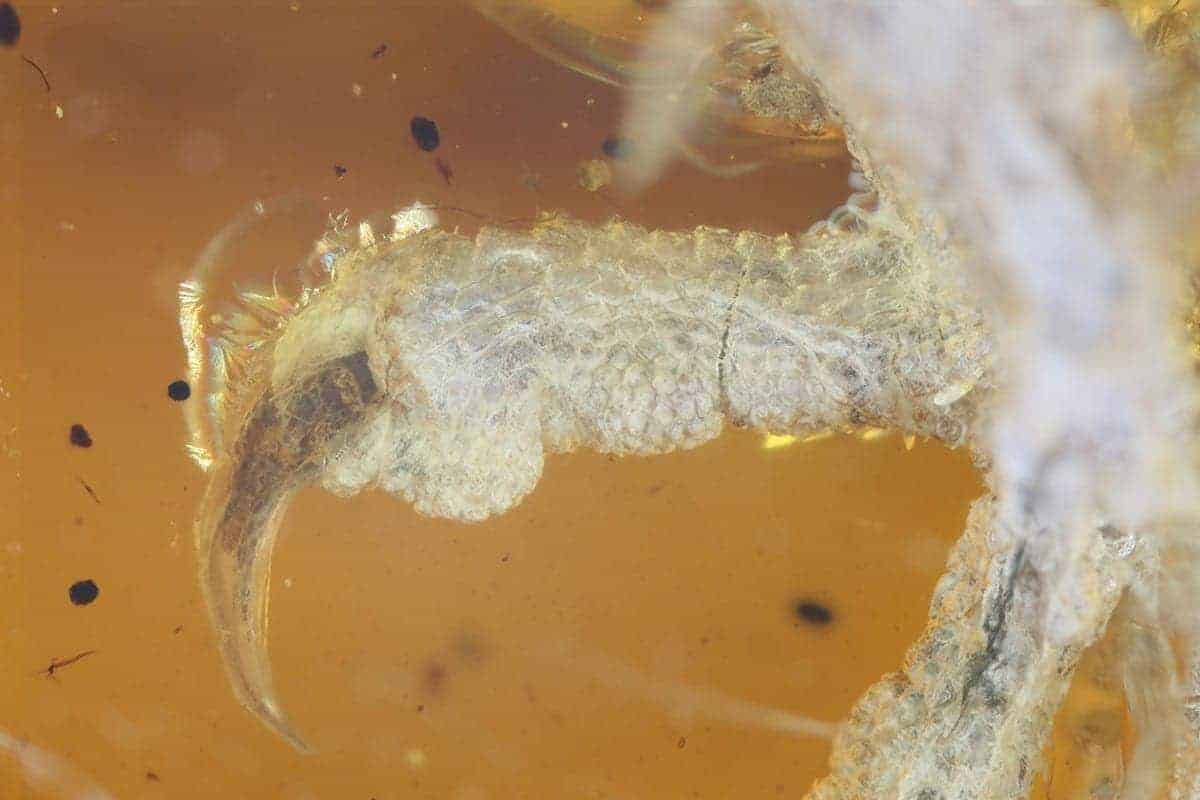
Although the hatchling’s skin and flesh appear to be preserved in the amber, the fossil is actually a highly detailed impression. The soft tissues decomposed into carbon, leaving no surviving DNA, illustrating why the premise of Jurassic Park is not supported. The amber nevertheless preserves some feather colour, which in this specimen was brown.
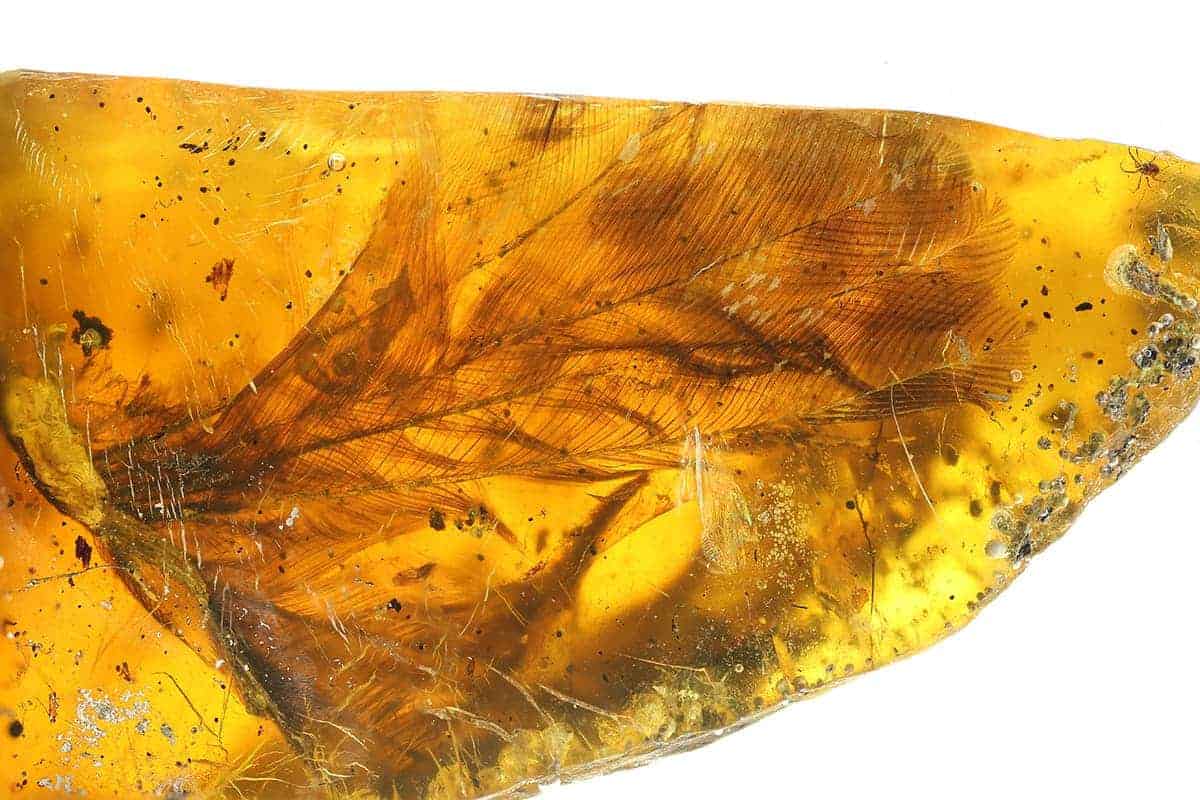
The hatchling belonged to a group called Enantiornithes or “opposite birds”, which lived alongside the ancestors of modern birds. This group became extinct with the non-avian dinosaurs 66 million years ago. The birds probably hatched on the ground with a full set of flight feathers and climbed into trees until they developed further. The hatchling may have become trapped in resin secreted by a conifer during this stage.
Source: New Scientist
