Update — October 30, 2026
In 2017, Saccorhytus was interpreted as an early relative of the group that includes vertebrates, including humans. A 2022 study based on better-preserved fossils placed it among the ecdysozoans, a group that also includes arthropods and nematodes. The article below presents the interpretation announced in 2017.
Source for update: Liu et al., Nature (2022).
A microscopic fossil found in China may be the oldest human ancestor yet identified. The animal looked like a round sac, covered in thin skin, and lived in water.
One of the most enduring questions scientists have asked is how we humans came to exist. Fossils have provided important clues to the puzzle, and now it seems another important piece has been found in China, where a newly discovered fossil has been classified as the oldest human ancestor yet identified.
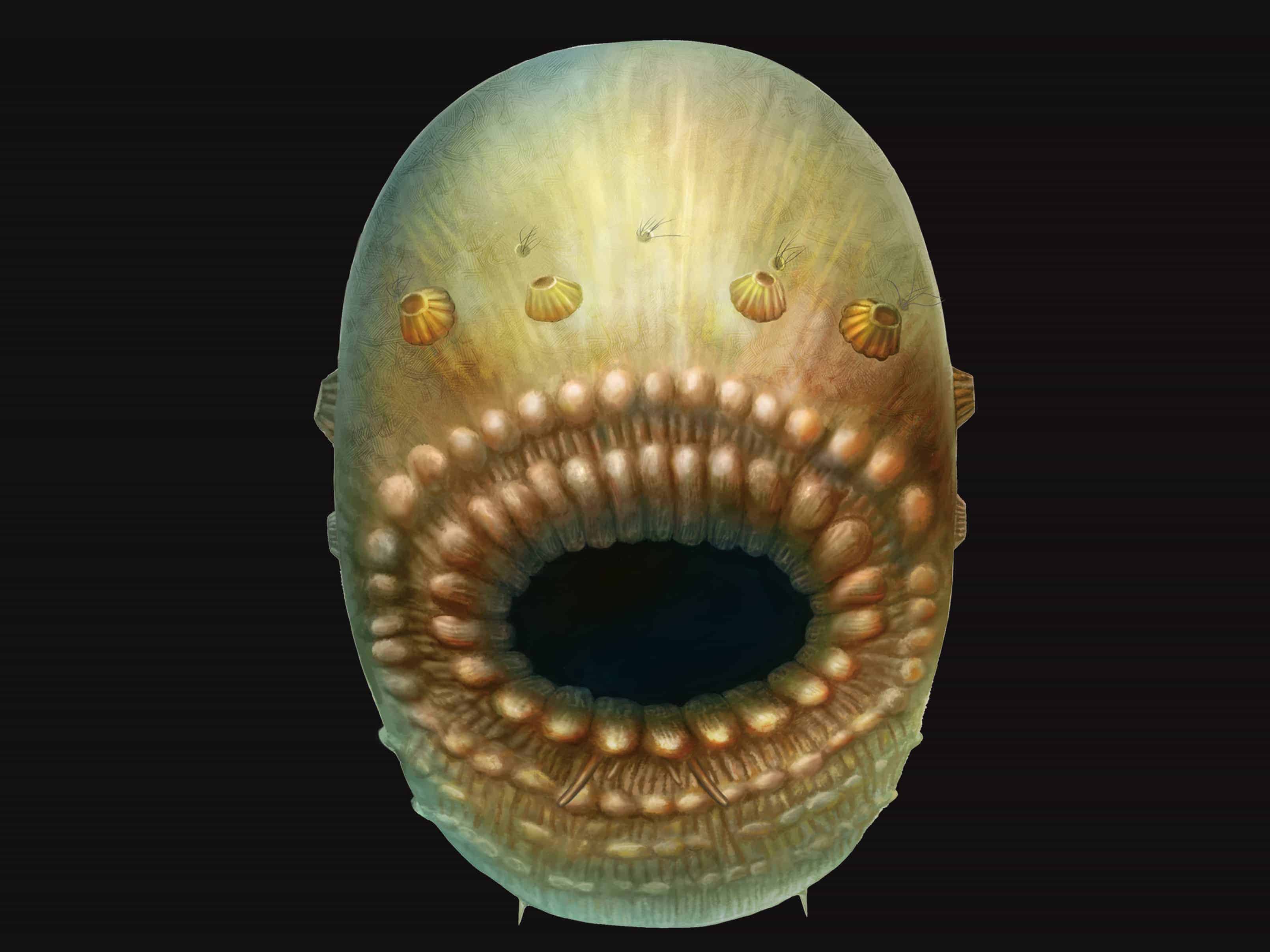
This microscopic organism, named Saccorhytus lived 540 million years ago, at the beginning of the Cambrian period, and represents the most primitive form discovered so far of a group of animals called Deuterostomia, organisms that diversified and eventually evolved into vertebrates, including us, humans.

Saccorhytus was identified in Shaanxi Province, China and is “extraordinarily well preserved,” according to the paleontologists who made the discovery. The creature was about 1 mm long and is believed to have lived on the seabed.
The small marine creature was shaped like a sac covered by a very thin and flexible skin. In addition to this skin, Saccorhytus had muscles that it contracted to move. A fascinating feature is the fact that Saccorhytus had an extremely large mouth compared to its body. This indicates that the organism most likely fed by swallowing even smaller marine creatures or other fragments of creatures.
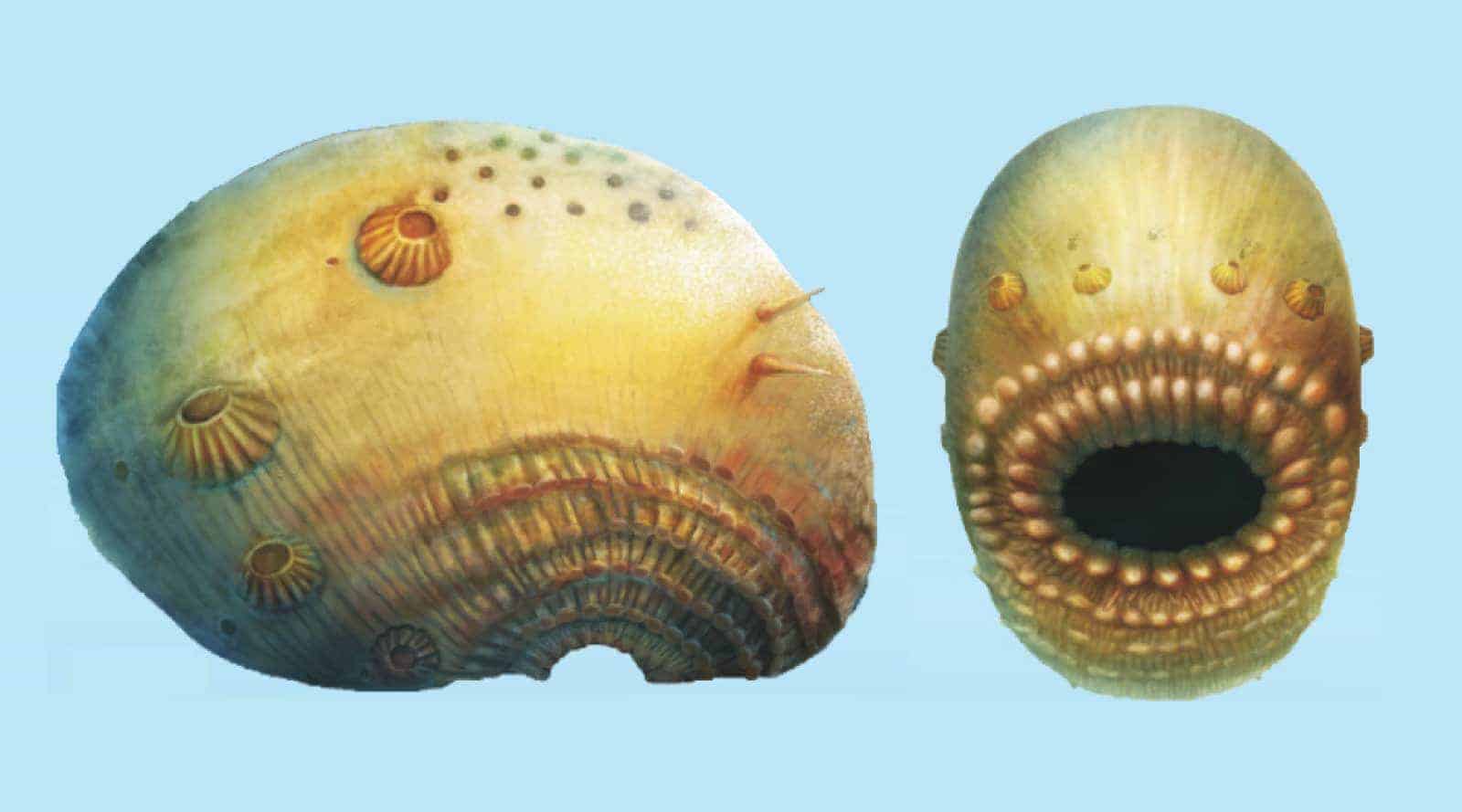
This distant ancestor's body had several conical structures that probably allowed it to expel water swallowed with its food. In other words, a kind of early version of the gills found in modern fish. Strangely enough, it doesn't seem to have had an anus, which implies that waste was eliminated through its mouth.
Despite its tiny size and primitive construction, its discovery Saccorhytus It is an essential step in understanding how, after hundreds of millions of years of evolution, our species emerged.
Sources: University of Cambridge, LiveScience
