
Certainly among the most well-known and beloved fossils by the general public are represented by the teeth of dinosaurs and other prehistoric reptiles. From famous species like Tyrannosaurus rex, to the teeth of triceratops, sauropods, mosasaurs and pterosaurs, these fossils remain living testimony to the understanding of life millions of years ago and bring […]
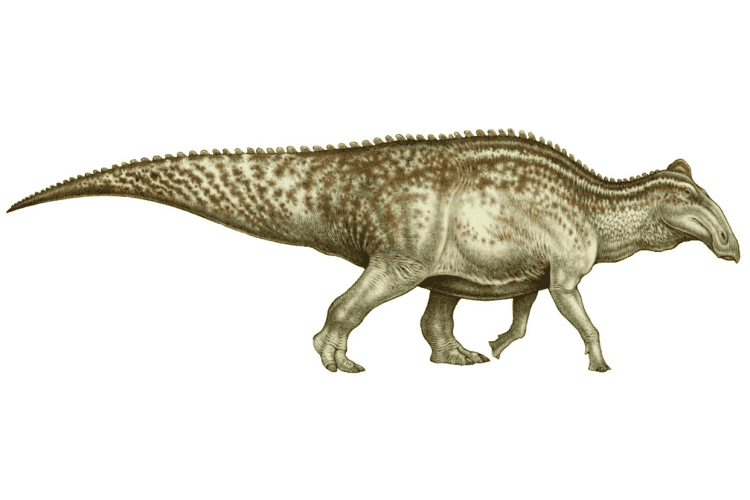
Edmontosaurus were among the largest dinosaurs of their time and some of the last non-avian dinosaurs to exist. The characteristic „duckbill” of these dinosaurs makes them easily recognizable, and the large number of fossils found has provided the opportunity to learn a lot about this extinct genus. Edmontosaurus (trans. lat. “reptile from […]
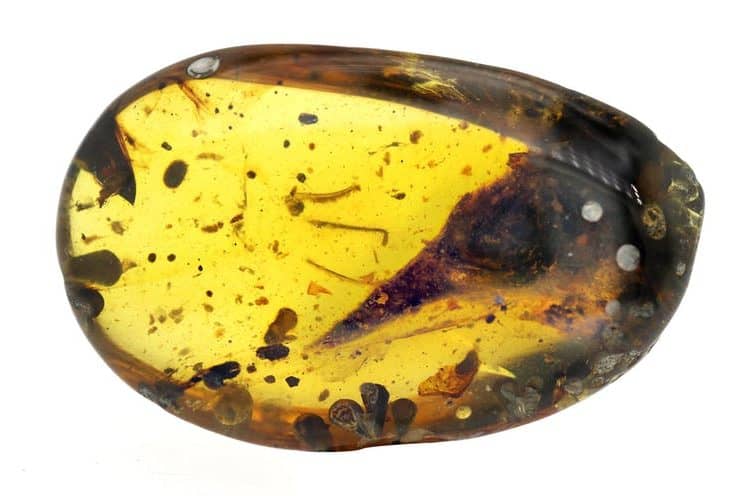
Update — October 30, 2026 When this article was published in March 2020, Oculudentavis was described as a very small, bird-like dinosaur. The original study was retracted in July 2020. Research published in 2021, also based on another specimen, showed that it was a lizard. We retain the original announcement below, in the context of […]
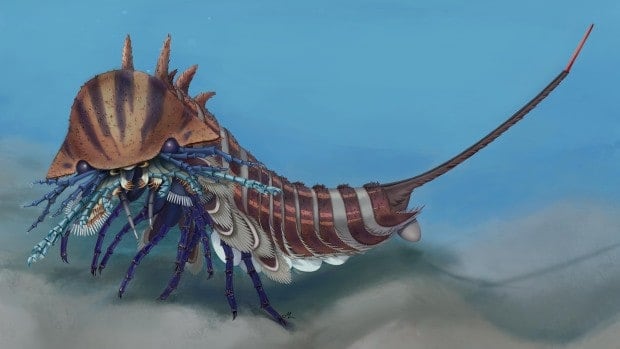
The Burgess Shale in British Columbia, Canada, preserves numerous fossils that document the evolution of life on Earth. Among them is Habelia optata, a 508-million-year-old relative of early chelicerates. This armoured predator had five pairs of […]
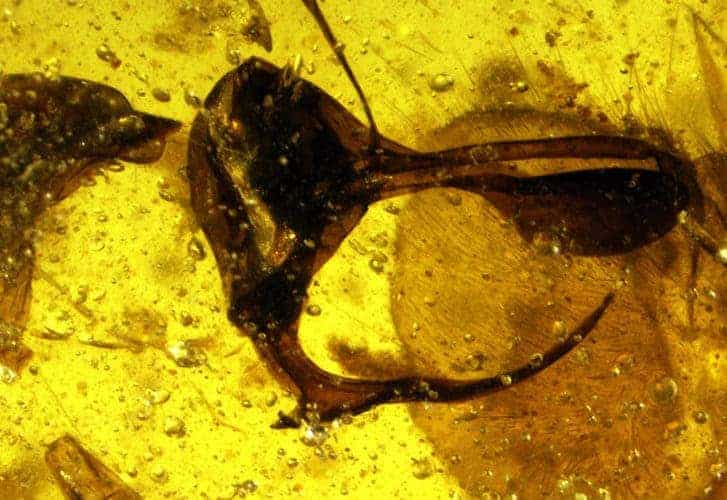
A new species of “Hell ant” has been discovered in a 98-million-year-old piece of amber from Myanmar (formerly Burma). Linguamyrmex vladi was equipped with powerful jaws and a sharp, metal-reinforced horn, which it probably used to pierce its prey and feed on hemolymph. The deposits […]
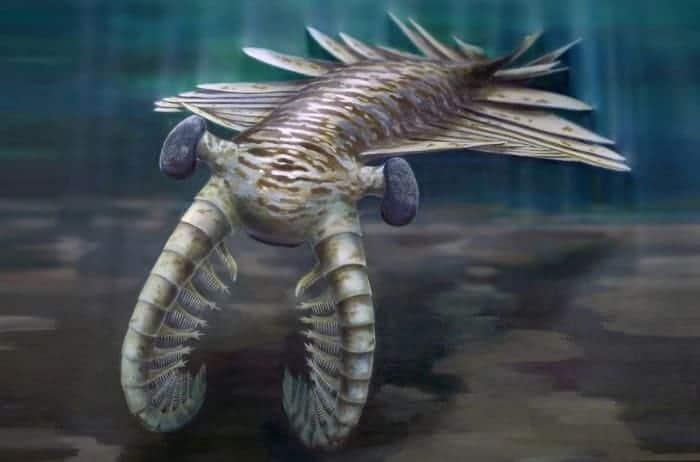
About 515 million years ago, during the Cambrian period, the terror of the ocean was called Anomalocaris. This ancestor of modern-day arthropods could grow to lengths of up to 1 meter and is the first known super-predator. The Cambrian period was a time when nature gave birth to unique and […]
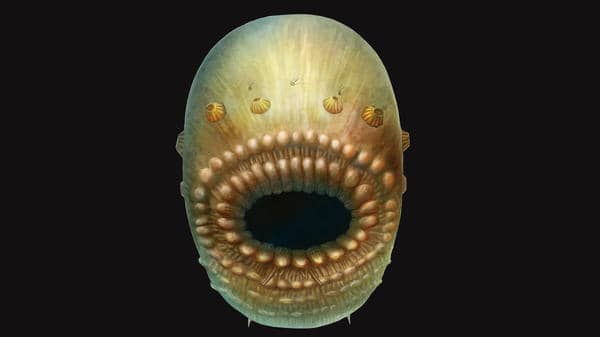
Update — October 30, 2026 In 2017, Saccorhytus was interpreted as an early relative of the group that includes vertebrates, including humans. A 2022 study, based on better-preserved fossils, placed it in the ecdysozoan group, which also includes arthropods and nematodes. The article below presents the interpretation announced in […]
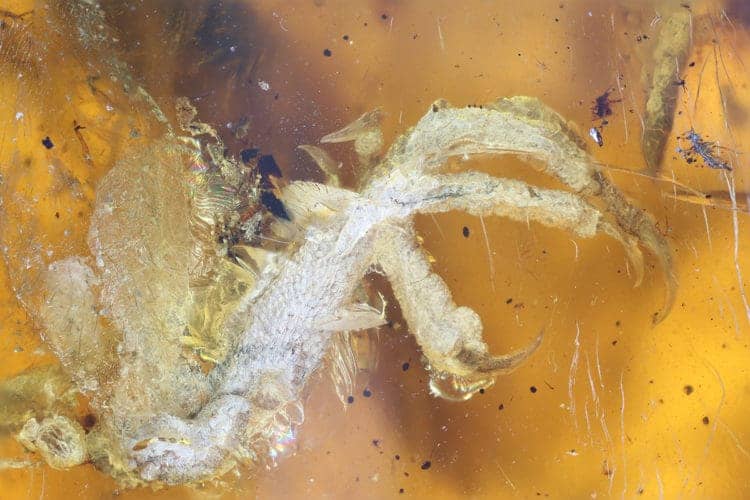
Following the discovery of a dinosaur tail preserved in amber, palaeontologists identified a bird fossil in approximately 100-million-year-old amber. It was described as the most complete specimen of its kind, providing a detailed glimpse into the past. Fossils excavated by palaeontologists […]
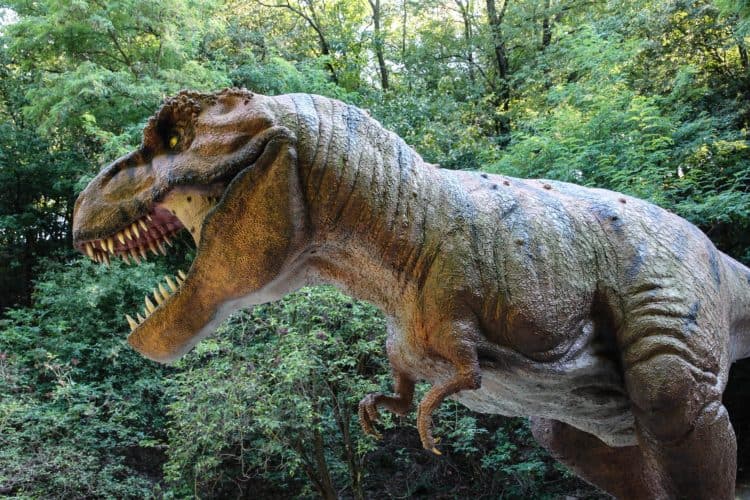
For decades, scientists have been trying to determine what the famous Tyrannosaurus rex looked like. Did it look like a reptile, with scaly skin, or was it covered in feathers, like the velociraptors? Recently, fragments of Tyrannosaurus rex skin have been discovered that provide us with an answer to this question. One question has been […]

It is difficult for humans to imagine life outside the dry land they walk on, but until 375 million years ago, the continents were populated only by plants and insects and all vertebrates lived in water. In the transition to life on land, one of the first fish to develop limbs and be able to walk outside […]
