
Dinosaur and other prehistoric reptile teeth are among the best-known fossils. From Tyrannosaurus rex to Triceratops, sauropods, mosasaurs and pterosaurs, these specimens provide evidence of life millions of years ago and contribute […]
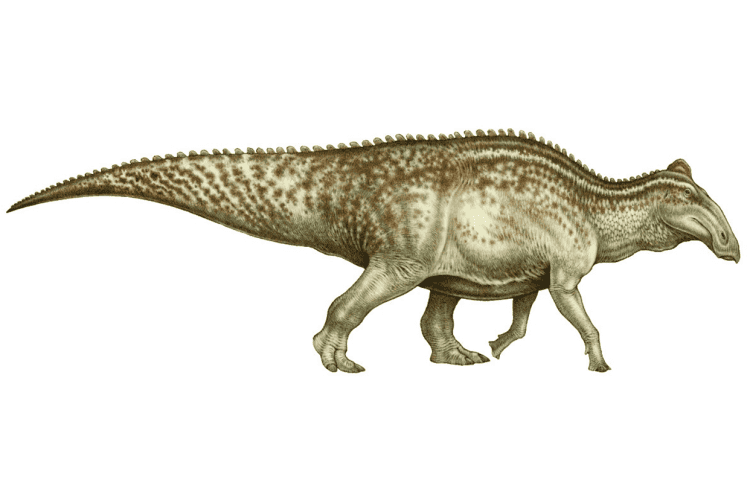
Edmontosaurus included some of the largest dinosaurs of its time and some of the last non-avian dinosaurs. Its characteristic duck-like bill makes it readily recognisable, and the large number of fossils discovered has provided extensive information about this extinct genus. The name Edmontosaurus means “reptile from […]
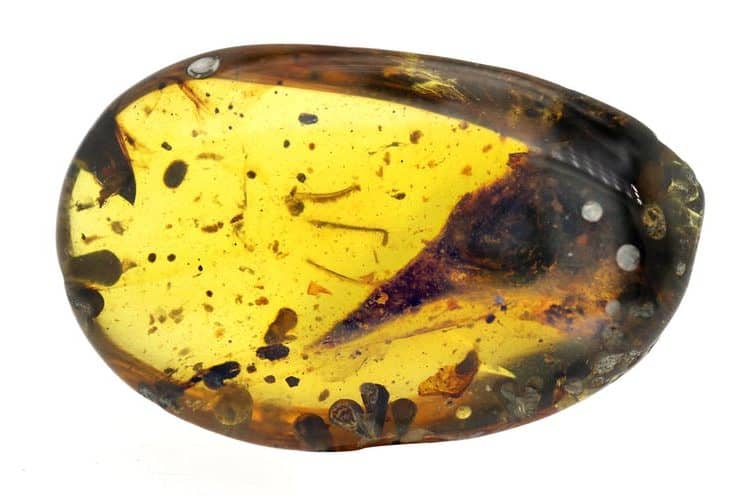
A head preserved in amber and dated to approximately 99 million years ago was initially interpreted as belonging to the smallest dinosaur yet identified. Amber has yielded numerous palaeontological discoveries, including prehistoric insects and dinosaur feathers, preserving […]
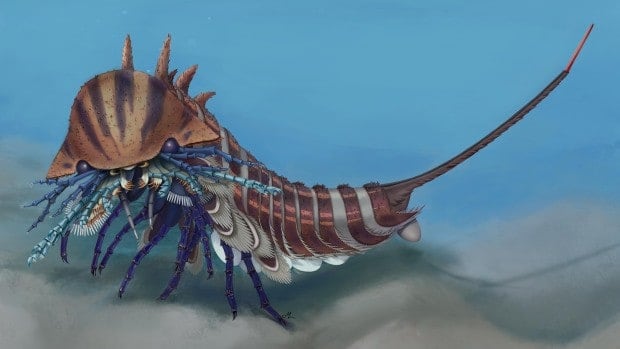
The Burgess Shale in British Columbia, Canada, preserves numerous fossils that document the evolution of life on Earth. Among them is Habelia optata, a 508-million-year-old relative of early chelicerates. This armoured predator had five pairs of […]
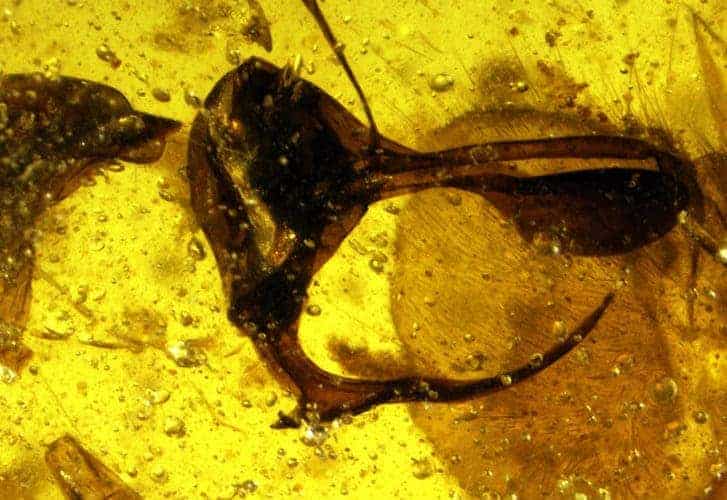
A new species of “hell ant” was discovered in 98-million-year-old amber from Myanmar, formerly Burma. Linguamyrmex vladi possessed powerful jaws and a sharp, metal-reinforced horn, which it may have used to pierce prey and feed on haemolymph. The amber deposits […]
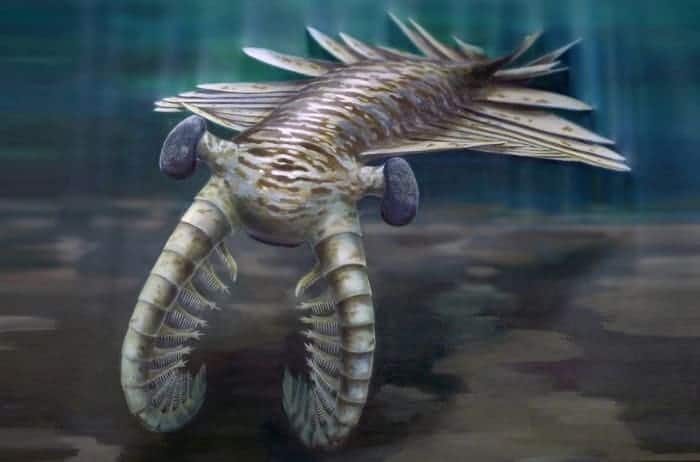
Approximately 515 million years ago, during the Cambrian, Anomalocaris was a major marine predator. This early relative of modern arthropods could reach one metre in length and is considered one of the earliest known apex predators. The Cambrian saw the emergence of diverse and unusual […]
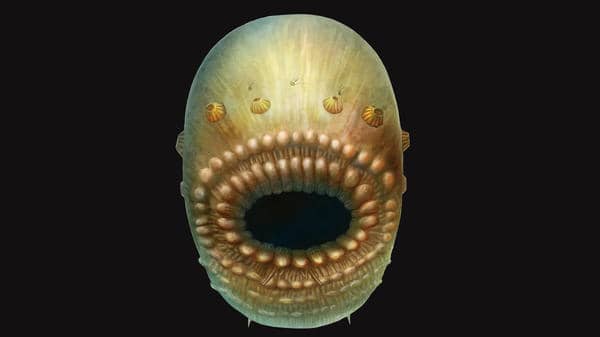
A microscopic fossil discovered in China was initially interpreted as a possible early relative of humans. The aquatic animal resembled a rounded sac covered by a thin outer layer. Understanding the evolutionary origins of humans remains a recurring scientific question. […]
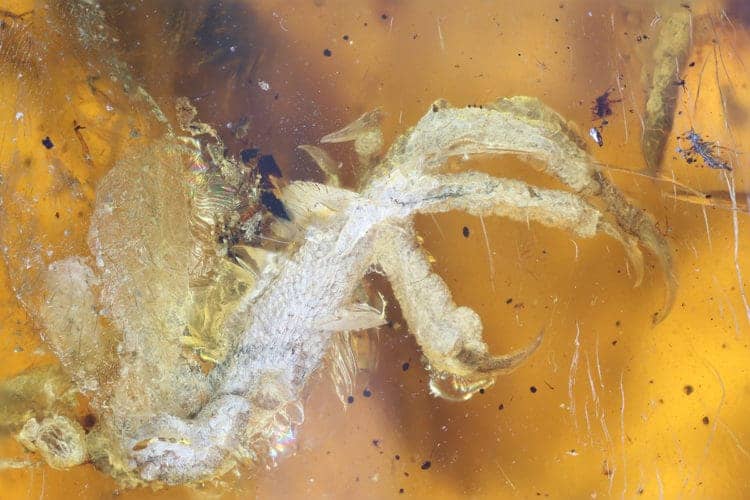
Following the discovery of a dinosaur tail preserved in amber, palaeontologists identified a bird fossil in approximately 100-million-year-old amber. It was described as the most complete specimen of its kind, providing a detailed glimpse into the past. Fossils excavated by palaeontologists […]
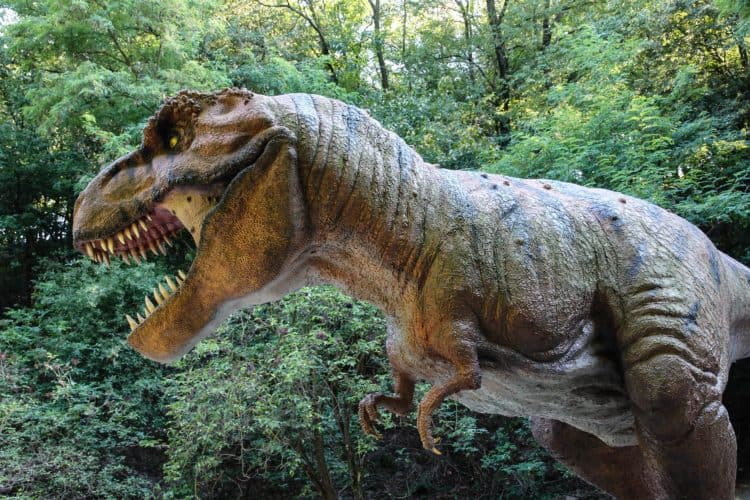
For decades, scientists have sought to determine the appearance of Tyrannosaurus rex. Did it have scaly skin, or was it covered in feathers like Velociraptor? Recently discovered skin impressions provide evidence relevant to this question. […]

Although humans live on land, approximately 375 million years ago all vertebrates inhabited aquatic environments, while terrestrial ecosystems contained plants and invertebrates. During the transition towards life on land, some fishes developed structures that preceded limbs and enabled movement beyond […]
