Chinese palaeontologists have made a remarkable discovery: a dinosaur tail exceptionally well preserved in amber. The specimen appears to be more than 99 million years old.

On December 9, 2016, CNN published a news story that made headlines around the world – one of the most important paleontological discoveries in recent years. It is about a dinosaur tail preserved in perfect condition in amber.
The discovery was made by Chinese paleontologist Lida Xing at an amber market in northern Myanmar, near the border with China. The piece of amber is the size of a dried peach, and vendors believed it contained a dried plant. The specimen was to be sold for use in jewelry.
The amber, however, contained something quite different. “I realised that it contained a vertebrate, probably a theropod, rather than a plant,”Lida Xing told CNN. “I’m not sure how much the seller understood the importance of this specimen, but he didn’t raise the price.”
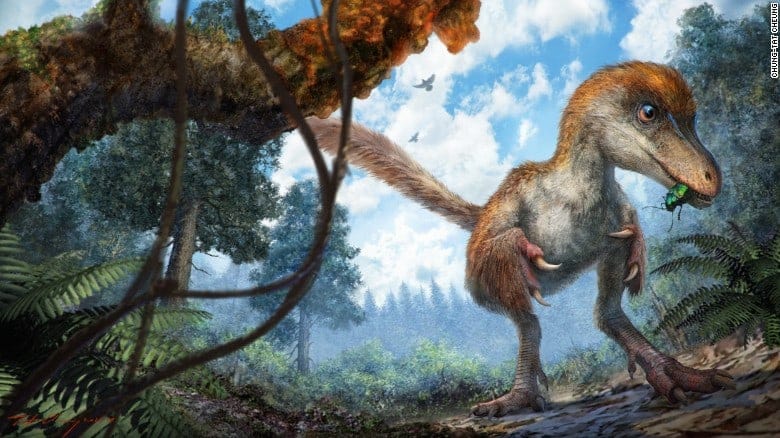
Inside the amber is, indeed, a 99-million-year-old dinosaur tail. It belonged to a young coelurosaur, a species of bird-like, feathered dinosaur. Although the dinosaur was probably no bigger than a sparrow, it was related to velociraptors and the dreaded tyrannosaurus.
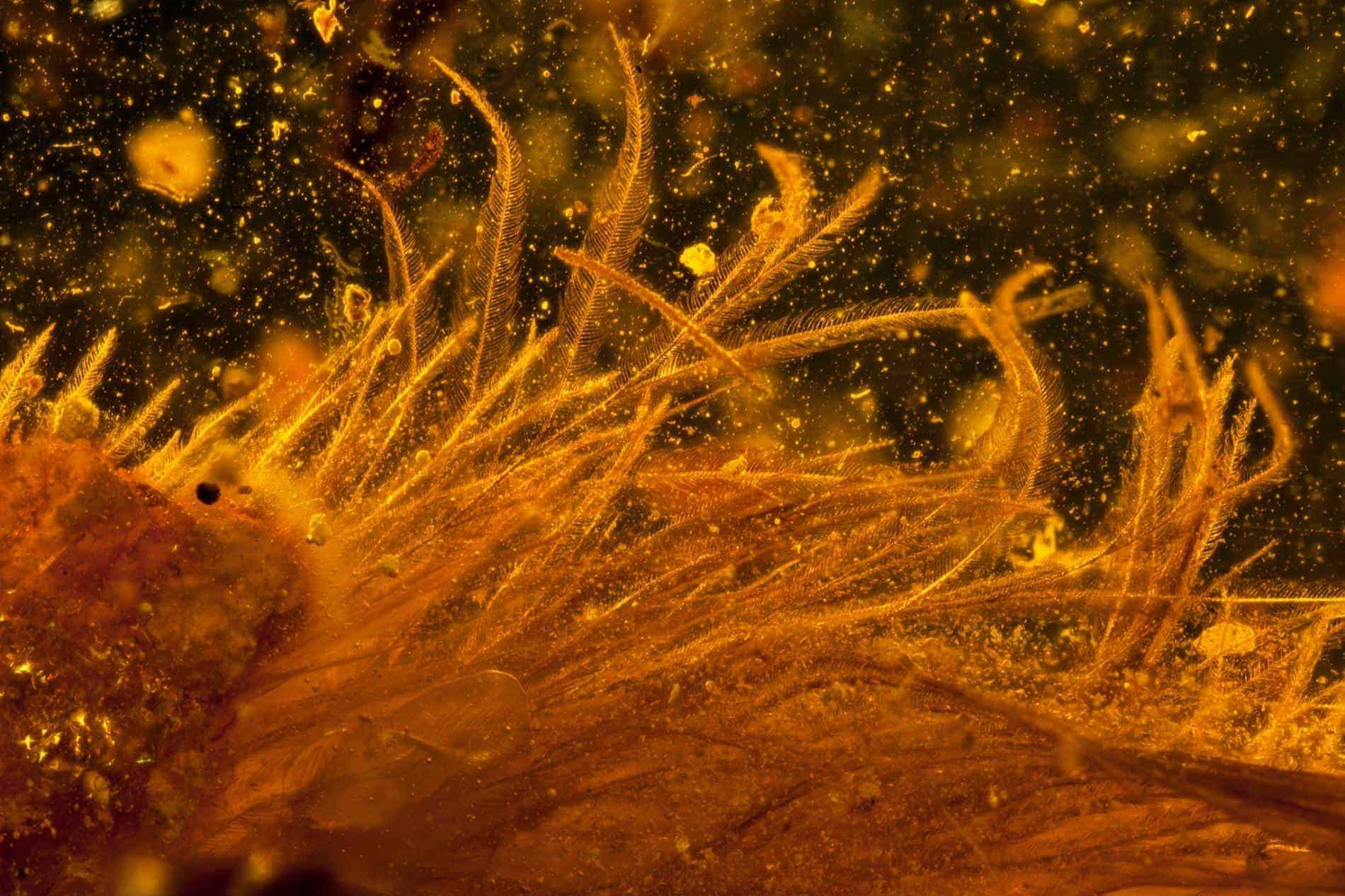
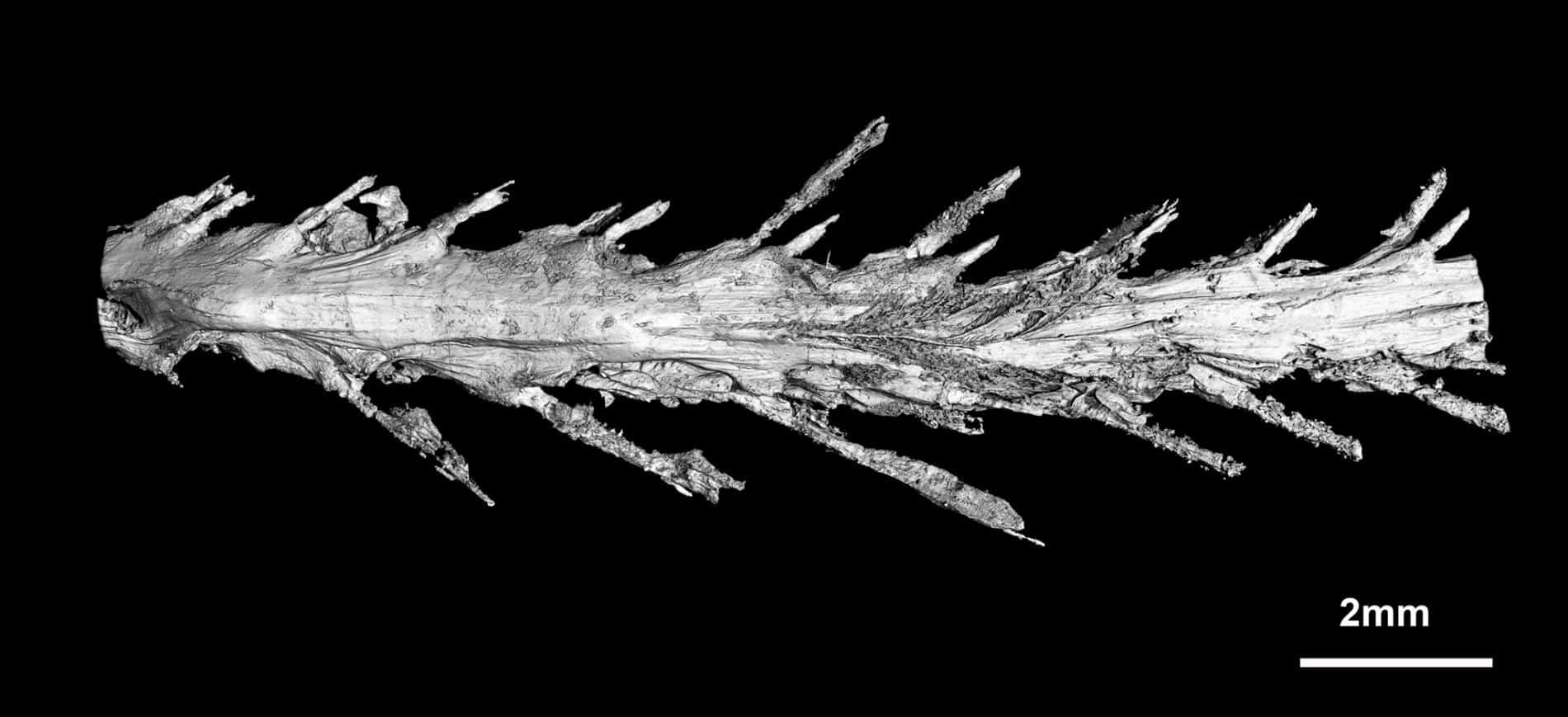
Paleontologist Ryan McKellar, from the Royal Saskatchewan Museum in Canada, said that “It's a once-in-a-lifetime discovery. Even the finest details are visible in three dimensions.”
McKellar also says the specimen would have had a whip-like tail, similar to that of a mouse, but covered in feathers. It seems that the latest discoveries indicate that some dinosaurs were quite bird-like. McKellar concludes “They weren’t exactly the scaly Godzilla-like monsters we initially imagined.”
The dinosaur's tail, fossilized in amber, retains some of its feather pigmentation, allowing scientists to paint a more realistic picture of what the creature looked like. When viewed under a microscope, the feathers suggest the small dinosaur would have been brown and white.
For fans of Jurassic Park and the idea of cloning dinosaurs, McKellar has a clear answer – “Unfortunately, the answer is still no.” In the blood and soft tissue in the specimen, the genetic material was destroyed.
Even though it cannot be cloned, the dinosaur tail is an incredibly important discovery for paleontology and a true "window" through which we can look back into such a distant past.

Sources: CNN, National Geographic

[…] dinosaur tail perfectly preserved in amber, paleontologists have made another amazing discovery – a bird fossil trapped in […]