
Dinosaur and other prehistoric reptile teeth are among the best-known fossils. From Tyrannosaurus rex to Triceratops, sauropods, mosasaurs and pterosaurs, these specimens provide evidence of life millions of years ago and contribute […]
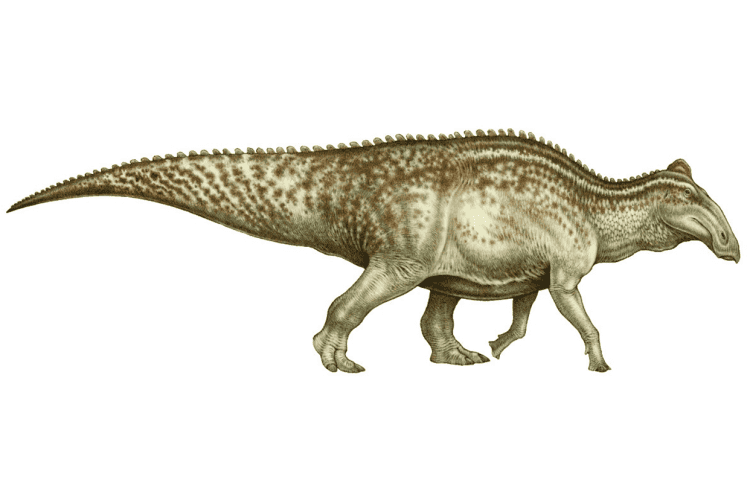
Edmontosaurus included some of the largest dinosaurs of its time and some of the last non-avian dinosaurs. Its characteristic duck-like bill makes it readily recognisable, and the large number of fossils discovered has provided extensive information about this extinct genus. The name Edmontosaurus means “reptile from […]
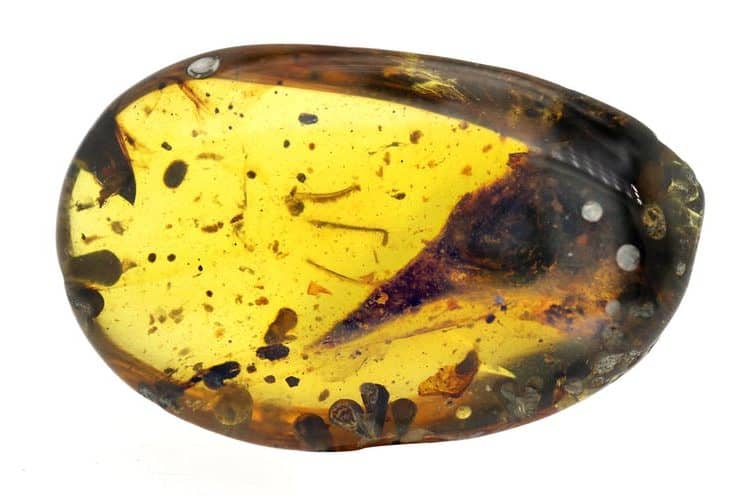
A head preserved in amber and dated to approximately 99 million years ago was initially interpreted as belonging to the smallest dinosaur yet identified. Amber has yielded numerous palaeontological discoveries, including prehistoric insects and dinosaur feathers, preserving […]
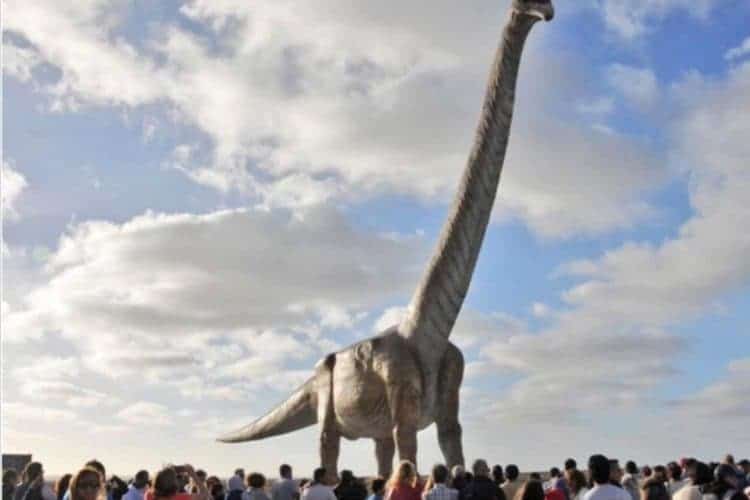
A titanosaur discovered in Argentina was described as the largest dinosaur known at the time. Patagotitan mayorum weighed approximately 69 tonnes and measured 37 metres in length, almost as long as a Boeing 737 aircraft. It could reach a height of […]
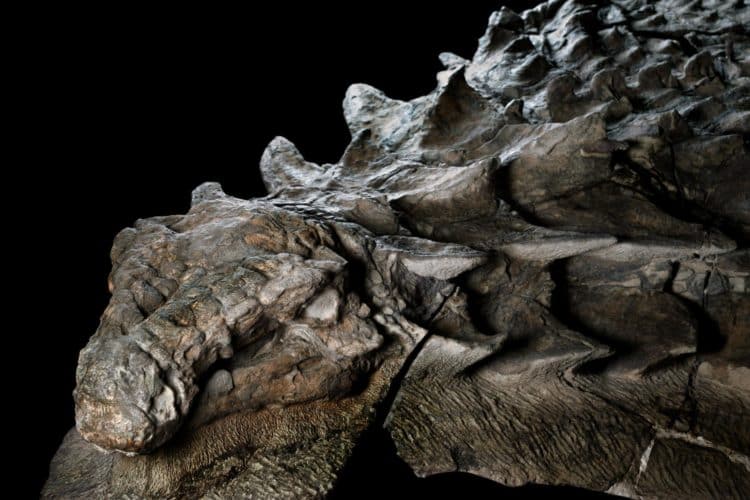
A nodosaur fossil discovered in Canada preserves the animal’s natural armour in exceptional detail, including spines, scales and bony plates. Found during mining operations in Alberta in 2011, the specimen preserves the dinosaur from its snout to its hips […]
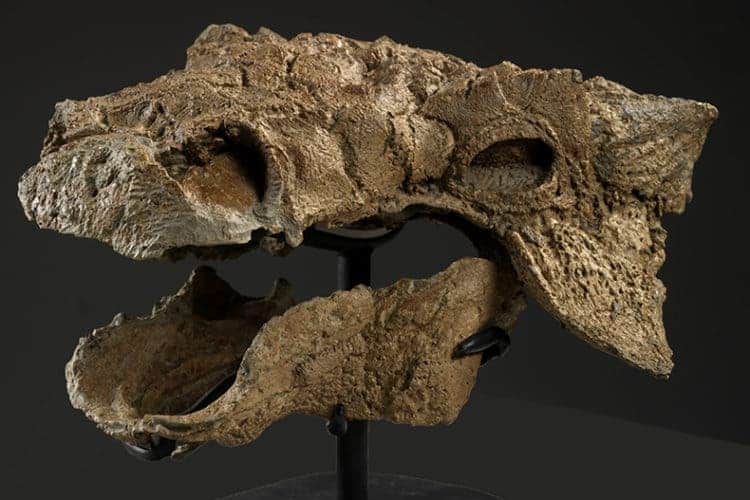
An exceptionally complete and well-preserved ankylosaur fossil was discovered in North America. Its appearance resembles Zuul, the fictional creature from Ghostbusters. Found in the Judith River Formation in Montana, USA, Zuul crurivastator was described as the most complete skeleton of its kind discovered in North […]
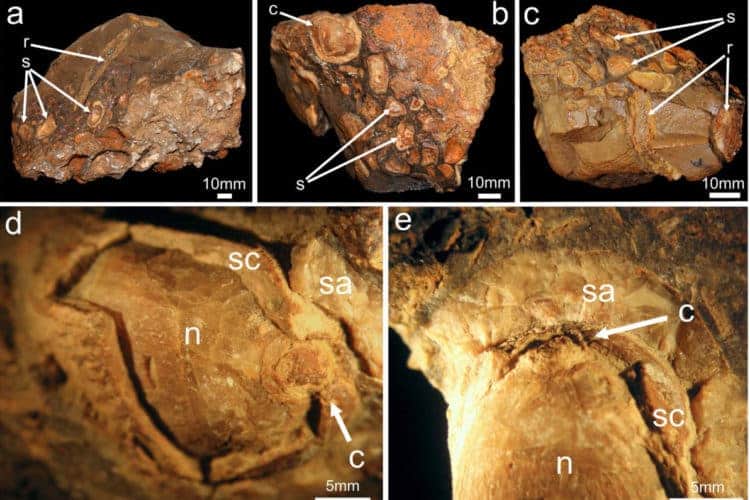
Researchers in Argentina discovered fossils of an Early Jurassic dinosaur whose stomach contained remains of its last meal, preserved for approximately 180 million years. Found in marine-deltaic deposits of the Los Molles Formation, the fossils belong to a previously unknown ornithischian dinosaur, now named […]
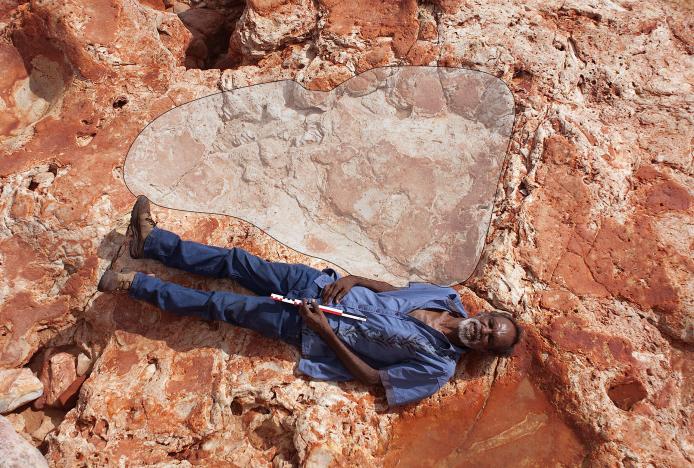
Scientists discovered a dinosaur footprint approximately 1.7 metres long in a remote area of Australia’s north-western coast. According to Reuters, it may be the largest dinosaur footprint known. Left by a giant sauropod, it is among 21 types of dinosaur tracks identified in […]
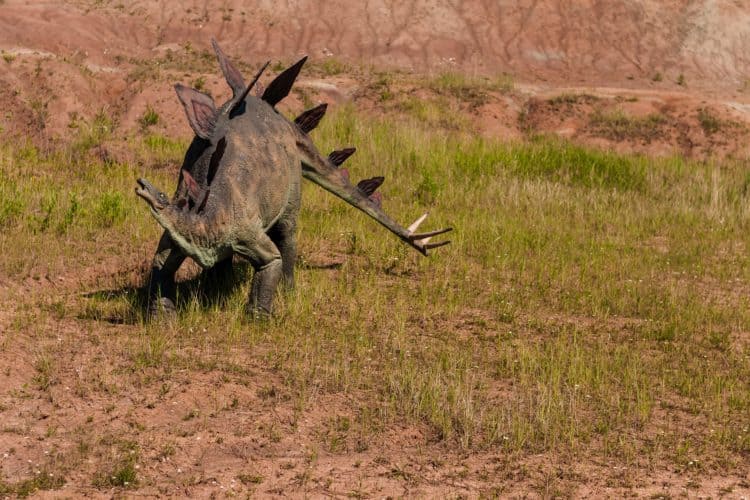
A study published in Nature proposed a revision of the traditional classification of dinosaurs, which had been used for over a century and was based largely on pelvic anatomy. Non-avian dinosaurs were traditionally divided into two groups: Ornithischia and Saurischia. The first group included […]
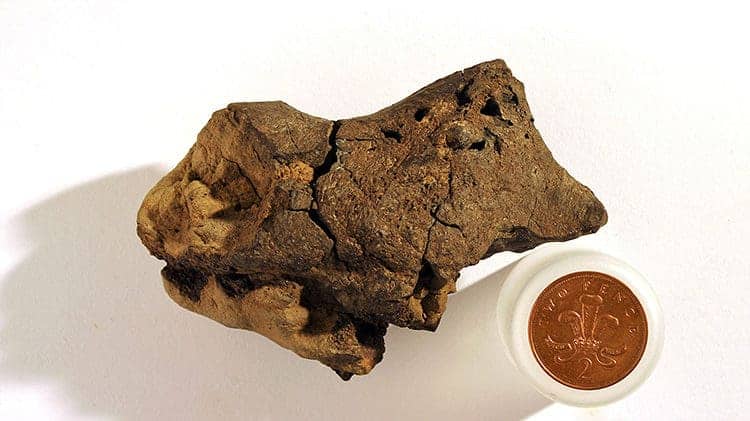
British and Australian researchers identified what was described as the first known fossilised dinosaur brain tissue. The fossil was discovered in Sussex, England, in 2004, but its significance was recognised more than a decade later. […]
