
Dinosaur and other prehistoric reptile teeth are among the best-known fossils. From Tyrannosaurus rex to Triceratops, sauropods, mosasaurs and pterosaurs, these specimens provide evidence of life millions of years ago and contribute […]
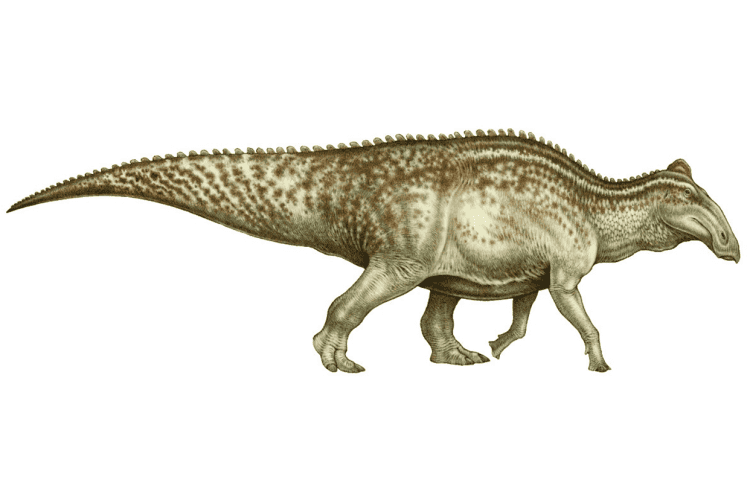
Edmontosaurus included some of the largest dinosaurs of its time and some of the last non-avian dinosaurs. Its characteristic duck-like bill makes it readily recognisable, and the large number of fossils discovered has provided extensive information about this extinct genus. The name Edmontosaurus means “reptile from […]
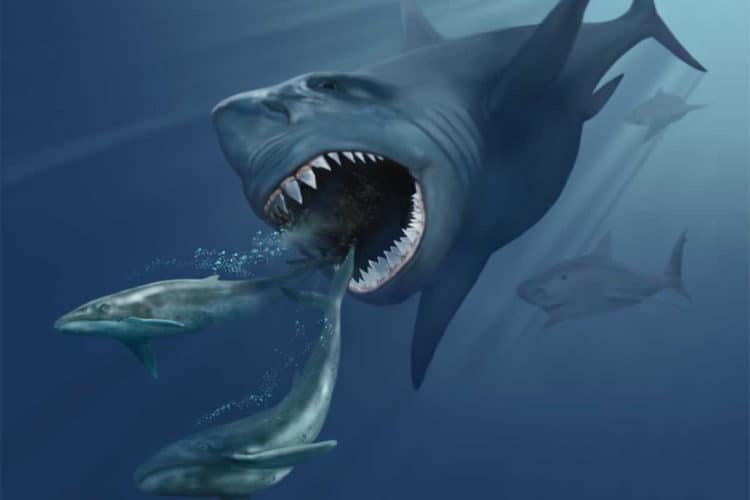
Megalodon was the largest shark known to have existed. It appeared approximately 23 million years ago during the Miocene and could reach 18 metres in length. It was among the largest and most powerful vertebrate predators until approximately 2.6 million years ago, when it […]
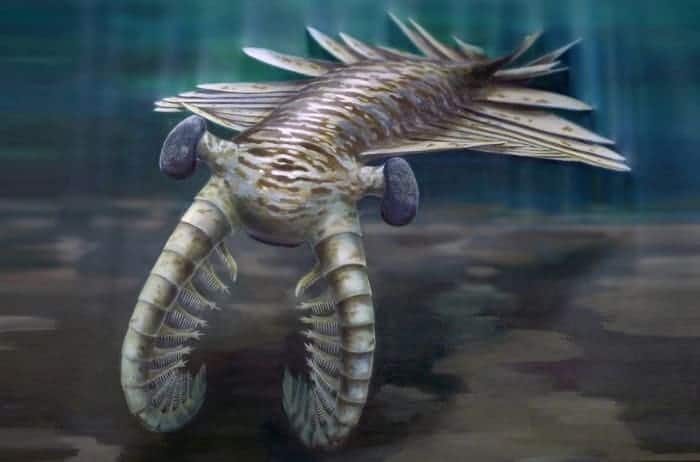
Approximately 515 million years ago, during the Cambrian, Anomalocaris was a major marine predator. This early relative of modern arthropods could reach one metre in length and is considered one of the earliest known apex predators. The Cambrian saw the emergence of diverse and unusual […]
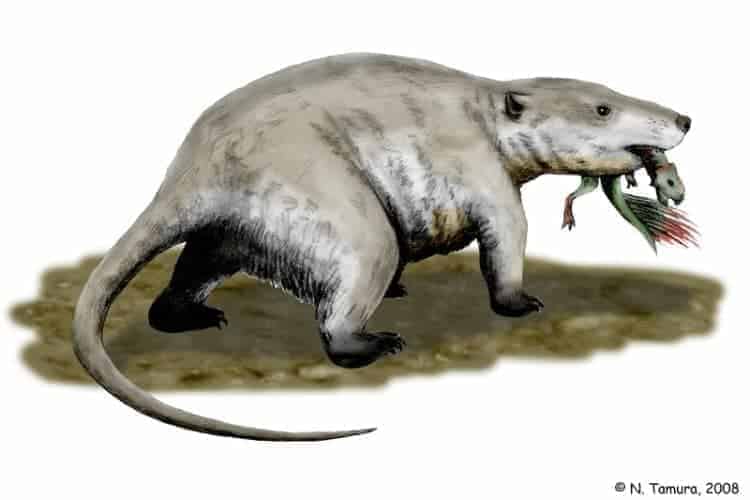
Not all Mesozoic mammals were vulnerable to dinosaurs. Fossils from China reveal that Repenomamus could consume small dinosaurs in Early Cretaceous forests. One species was named Repenomamus giganticus. Repenomamus was unusually large for a mammal of the Cretaceous, approximately 145.5–65.5 million years ago. While most mammals […]
