Out of Stock

Authentic fossilized giant flightless bird eggshell fragment (Gastornis sp.), 2.2 cm long, 35 – 50 million years old, Eocene, France

RON 84,99

This specimen was purchased by the VAMA-BUCOVINA Egg Museum and can be viewed as part of their permanent exhibition. For more details, please visit the Museum's official website  here.

Authentic fossilized giant flightless bird eggshell fragment (Gastornis sp.), approximately 35 – 50 million years old, in a plastic display box. An excellent gift for anyone passionate about curiosities or paleontology!

Due to its age, the specimen may have imperfections and repaired areas (glued sections) that are perfectly normal and inevitable for such an old fossil, but it is, overall, in good condition. We invite you to carefully study the product photos to identify the natural imperfections and any possible repairs to the specimen.

Click here for more general information about fossils

Specimen: authentic fossilized giant flightless bird eggshell fragment (Gastornis sp.)

Age: approximately 35 – 50 million years ago, Eocene epoch

Dimensions: approximately 2.2 cm long on the long sides (Please take a look at the photo in which the specimen is placed next to the ruler/in the hand to give you an idea of its size)

Country of origin: St. Antonin sur Bayon, France

The product consists of a single authentic fossilized giant flightless bird eggshell fragment (Gastornis sp.) in a plastic display box, the exact one shown in the photos above, and comes accompanied by a brochure containing specific geological and paleontological information.

Out of stock

SKU: gastor1 Categories: , Tags: , , , , ,

Description

Gastornis is an extinct genus of large, flightless birds that lived during the Paleocene and Eocene epochs of the Cenozoic Era (56–45 million years ago). Currently, the genus is believed to comprise three or four distinct species, known from incomplete fossilized remains found in central western Europe (England, Belgium, France, and Germany).

Birds of the Gastornis species were very large and were traditionally considered predators of small mammals. However, the lack of hooked claws in known Gastornis footprints, studies on their beak structure, as well as other evidence have led scientists to classify these birds as herbivores, which likely fed on tough plant material and seeds.

These were generally very large birds, with giant beaks and massive skulls superficially resembling the carnivorous South American "terror birds" (phorusrhacids). The largest known species, G. gigantea, could grow up to approximately 2 meters in height.
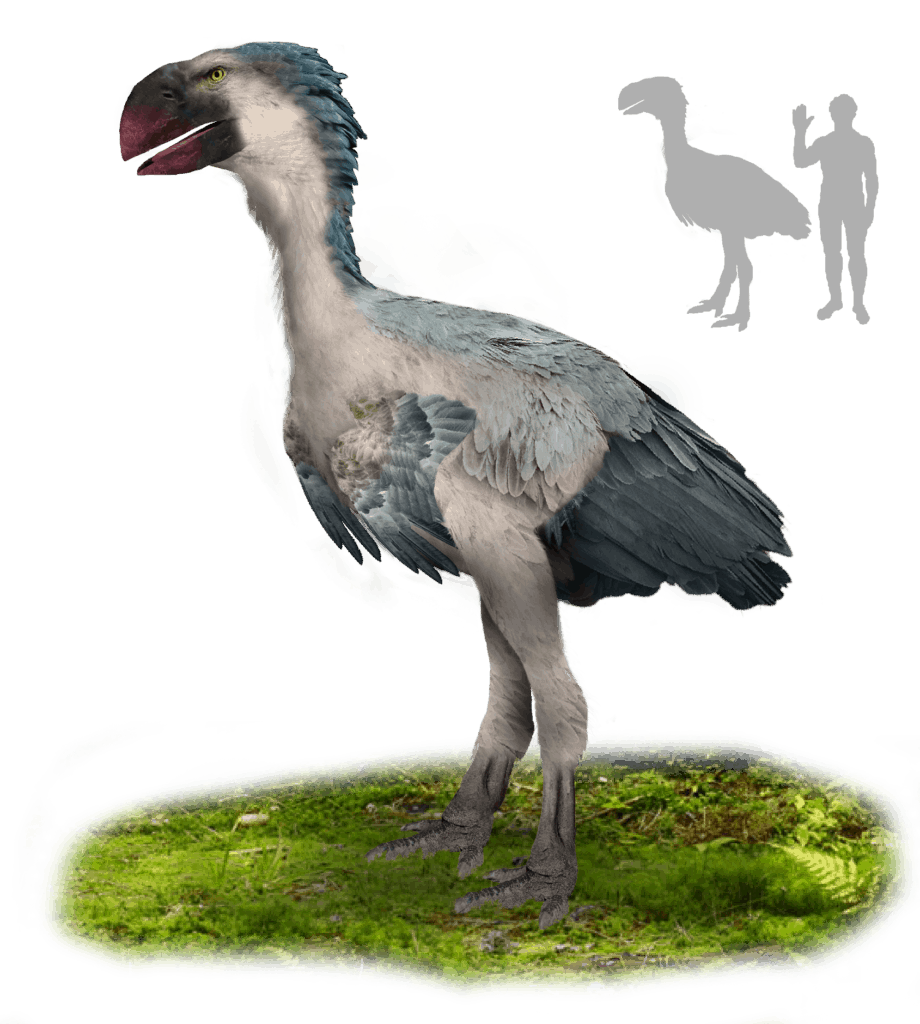
Gastornis reconstruction and size
Reconstruction and size of Gastornis – artist Tim Bertelink – source Wikipedia – the image is for illustrative purposes only and is not part of the product

Reviews

There are no reviews yet.

Be the first to review “Fragment fosilizat autentic de coajă de ou de pasăre alergătoare gigantică (Gastornis sp.), 2,2 cm lungime, 35 – 50 mil ani, Eocen, Franța”

Your email address will not be published. Required fields are marked *


Fossil jewelry

0
0
Your Cart
Your basket is empty