At the time of this report, a Harvard research team suggested that it might create a mammoth–elephant hybrid embryo within approximately two years. Genetic engineering could thereby reintroduce traits of woolly mammoths, which became extinct 4,000 years ago.
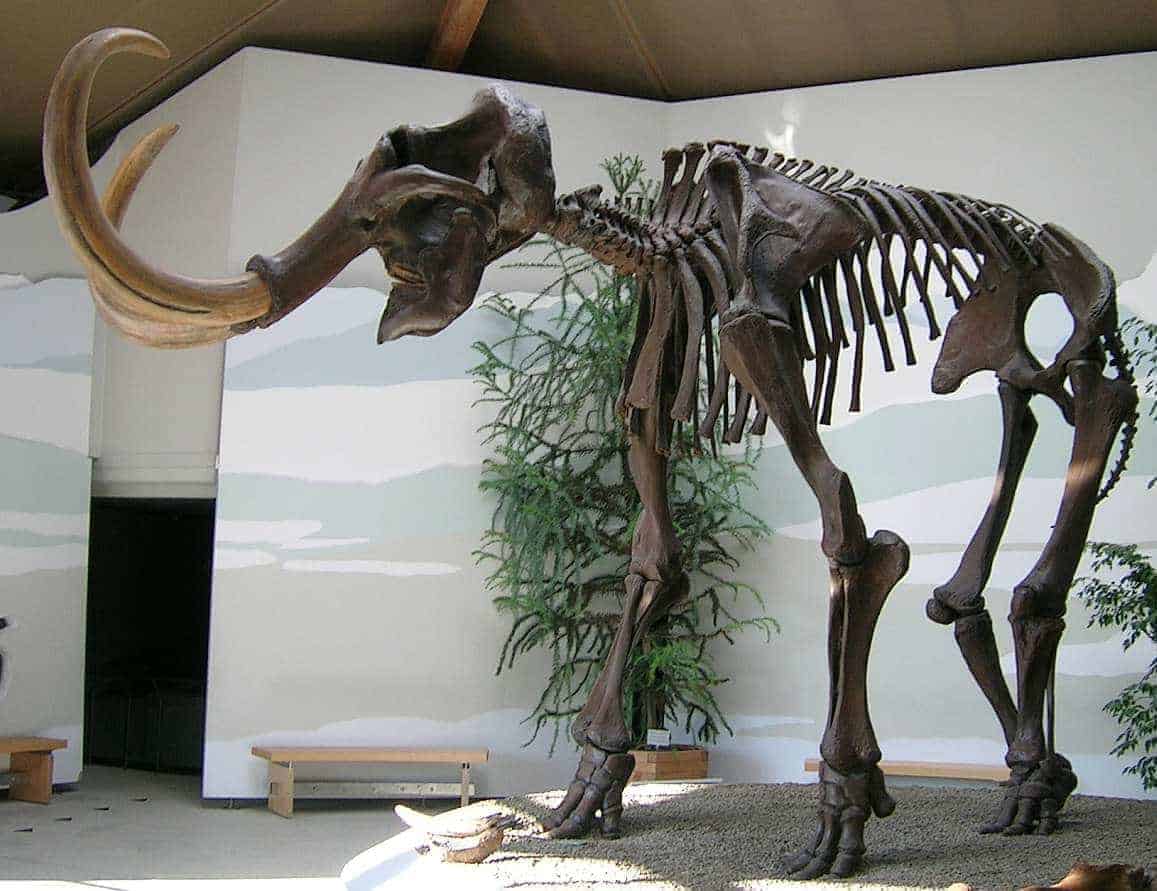
Speaking before the annual meeting of the American Association for the Advancement of Science (AAAS), team leader Professor George Church described a proposed hybrid embryo: an Asian elephant, the mammoth’s closest living relative, with DNA modified to incorporate several woolly mammoth traits. He called it a mammophant, an elephant-like animal with small ears, subcutaneous fat, woolly hair and adaptations to cold, resembling a mammoth.
The project, launched in 2015, was made possible by the gene-editing technology CRISPR/Cas9, developed in 2012, which makes it easier and less costly to modify DNA in living cells.
“We are trying to establish embryogenesis in the laboratory,” Church said, adding that many years would pass before living animals could be produced.
For development of the hybrid embryo, Church’s team preferred an artificial uterus to an elephant surrogate mother.
“We hope to carry out the entire procedure ex vivo,” Church said, adding that his team could maintain a mouse embryo in an artificial uterus for 10 days, approximately half its gestation period.
The Harvard team proposed that the project could provide an alternative future for the endangered Asian elephant and contribute to efforts to mitigate global warming.
According to Church, returning mammoth-like animals to the Siberian tundra could help prevent permafrost thaw and the associated release of greenhouse gases.
The annual AAAS meeting was scheduled to address gene editing and its ethical implications.
