A team of Harvard scientists could create a hybrid mammoth-elephant embryo in about two years, thus ensuring, through genetic engineering, the reappearance of woolly mammoths, which disappeared from Earth 4,000 years ago.
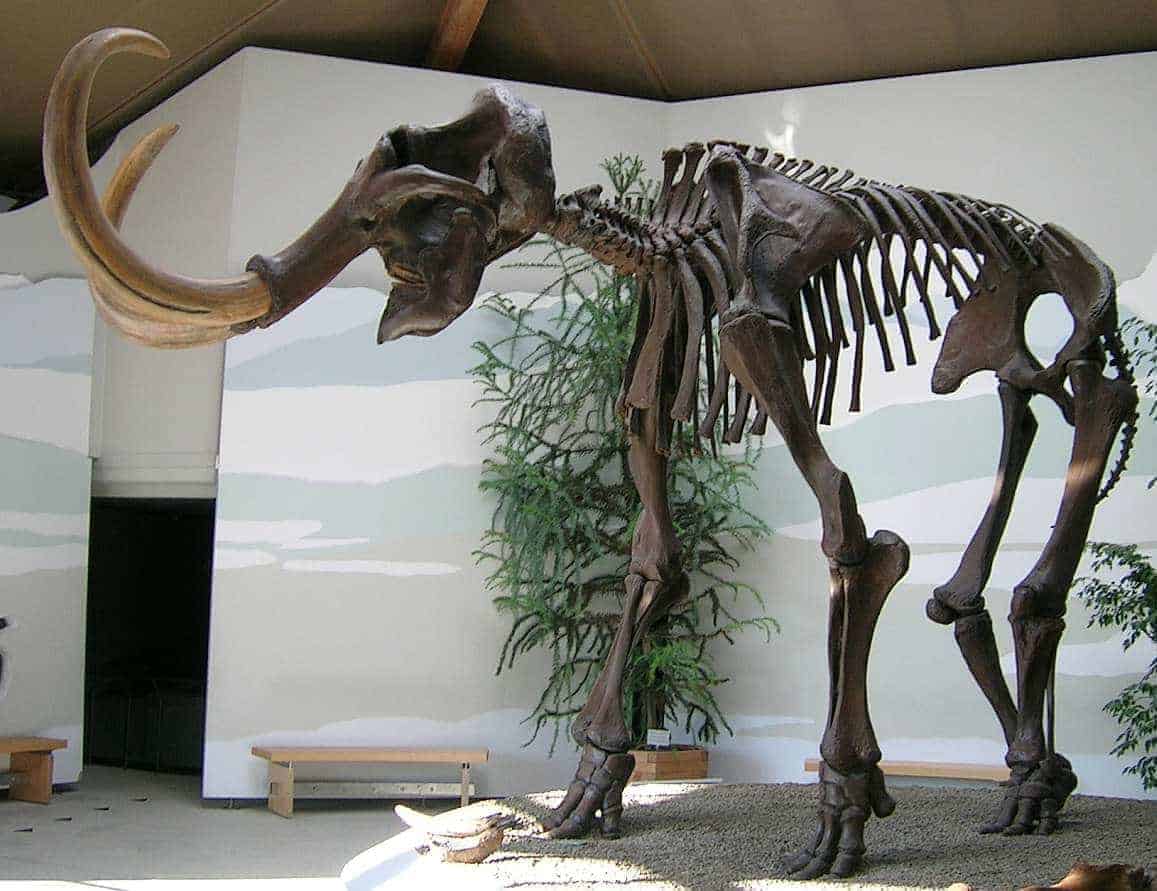
Speaking ahead of the annual conference of the American Association for the Advancement of Science (AAAS), Professor George Church, who leads the team, said that a hybrid embryo would be created: an Asian elephant – the mammoth’s closest relative – whose DNA would be modified to include more characteristics of the woolly mammoth. That is, a mammophant, a creature that will look like an elephant, but will have small ears, subcutaneous fat, woolly hair, and will be adapted to the cold, just like a mammoth.
This project, started in 2015, was made possible thanks to gene editing technology. Crispr/Cas9, created in 2012, which makes it easier and less expensive to make changes to the DNA of any living cell.
„"We are trying to establish embryogenesis in the laboratory," Church said, adding that it will be many years before living beings are produced.
When it comes to developing the hybrid embryo, Church's team is opting for an artificial uterus rather than a surrogate elephant mother.
„"We hope to be able to carry out the entire procedure ex vivo”, Church said, adding that his team can grow a mouse embryo in an artificial uterus for 10 days, which is half the gestation period.
The Harvard team's project will ensure an alternative future for the Asian elephant, a species threatened with extinction, and on the other hand will help in the fight against global warming.
The return of woolly mammoths to the Siberian tundra could prevent permafrost from melting, preventing the release of greenhouse gases, Church says.
The AAAS annual conference will discuss topics related to gene editing and its ethical implications.
