Out of Stock

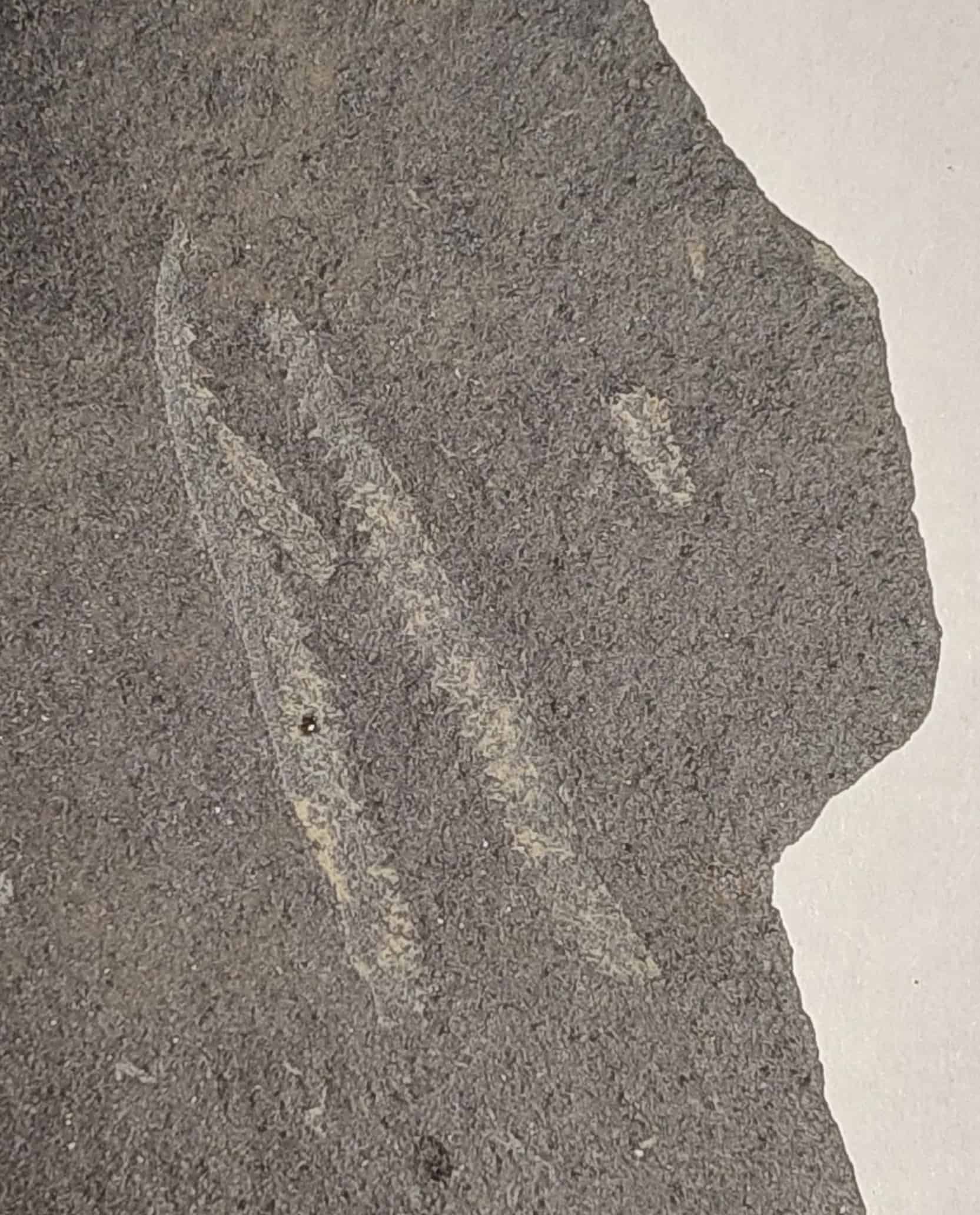
Authentic fossilized Cyclerion sp. crustacean in matrix, 1.3 cm length, 150.8–152 million years old, Jurassic, Germany

RON 129,99

Authentic crustacean specimen Cyclion sp. fossilized from Germany, approximately 150.8 – 152 million years old, in natural matrix. Comes with a plastic display stand included. A very old fossil of a crustacean contemporary with dinosaurs, extracted from the famous Solnhofen limestone quarry in Germany, where the famous Archaeopteryx! A gorgeous decorative object with a rich history behind it!

Due to the age of the specimen and local extraction methods, the specimen may have imperfections and repaired areas (glued sections) which are completely normal and inevitable, but overall it remains in good condition. The crustacean is not restored or colorized; it is in its natural state, just as it was found, with only potential repairs (glued sections) to the matrix! We invite you to carefully study the product photos to identify the natural imperfections and any repairs on the specimen.

Click here for more general information about fossils

Specimen: authentic fossilized crustacean Cyclion sp. in natural matrix

Age: approximately 150.8–152 million years old, Jurassic period

Crustacean dimensions: approximately 1.3 cm length (Please take a look at the photo where the specimen is placed next to the ruler/in the hand to get an idea of its size)

Matrix dimensions: approximately 9.5 cm length on the long side

Country of origin: Solnhofen, Eichstatt, Germany

The product consists of a single crustacean authentic fossilized Cyclion sp. in natural matrix, the one in the pictures above, and comes with a plastic stand for display and a brochure containing specific geological and paleontological information.

Out of stock

Description

shellfish are a class of arthropod animals, generally aquatic, with a body made up of segments covered with a chitinous shell. This class includes animals such as shrimp, krill, isopods, crabs, crayfish and others. These animals appeared in the Cambrian period, about 511 million years ago, and are still alive today. The body of a crustacean is made up of segments, which are grouped into three regions: head, cephalothorax and an abdomen, protected or not by a shell, being covered with a crust of limestone and chitin. Crustaceans breathe through the entire surface of the body or through gills and their blood is blue due to a pigment.

Crustaceans range in size from 0.1 mm (Stygotantulus stocki) to 3.8 meters (the Japanese spider crab) and may feed on algae, plankton, snails, plants, or the eggs of other animals. Most crustaceans are free-living aquatic animals, but some are terrestrial (e.g., woodlice), and some are parasitic.
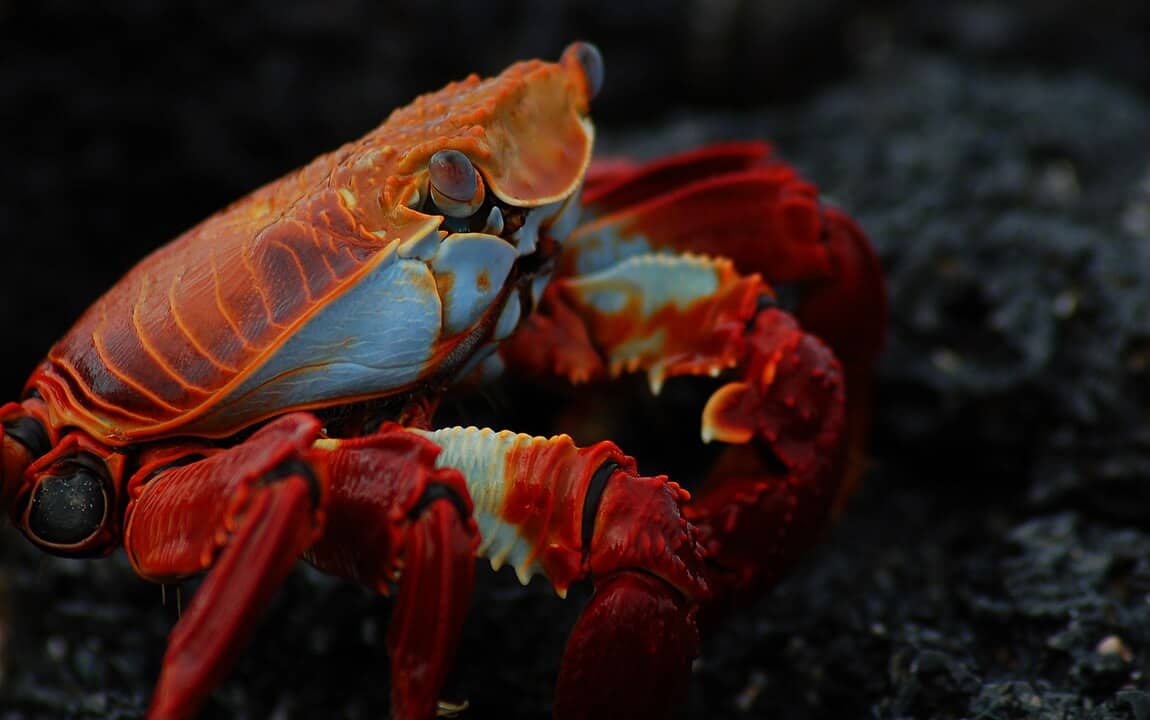
Modern crab Grapsus grapsus
Modern Sally Lightfoot crab (Grapsus grapsus) from the Galapagos – author Peter Wilton, Wikipedia – the image is strictly illustrative and is not part of the product

Reviews

There are no reviews yet.

Be the first to review “Crustaceu fosilizat autentic Cyclerion sp. în matrice, 1,3 cm lungime, 150,8 – 152 mil ani, Jurasic, Germania”

Your email address will not be published. Required fields are marked *


Fossil jewelry

0
0
Your Cart
Your basket is empty