Out of Stock

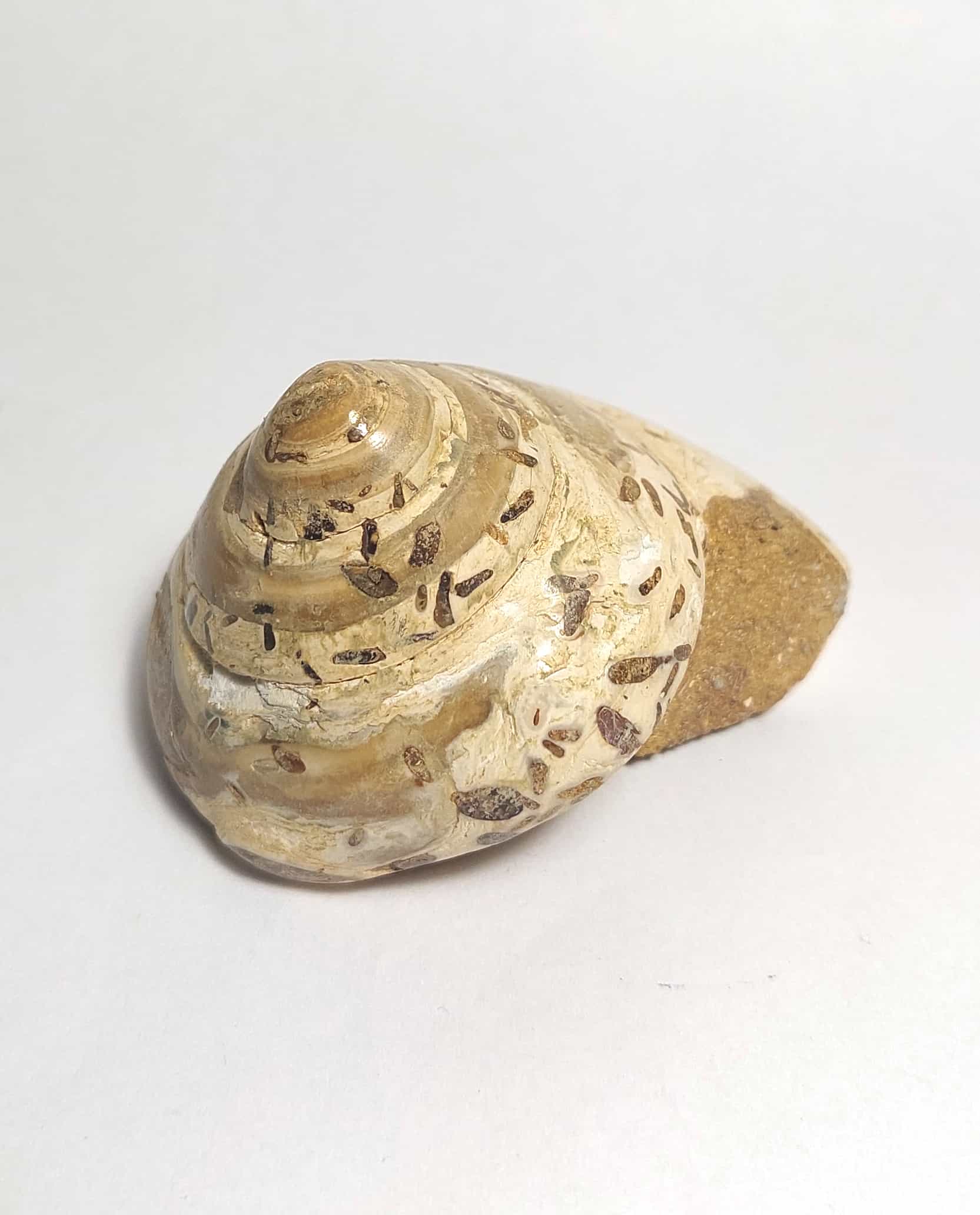
Authentic polished fossilized XL Pleurotomariidae sea snail, 7.3 cm diameter, 160 million years old, Jurassic, Madagascar

RON 129,99

Authentic polished fossilized marine snail specimen from Madagascar (family Pleurotomariidae), approximately 160 million years old. A superb fossil, with impressive natural geometry, perfect for collecting!

Due to its age, the specimen may have imperfections and repaired areas (glued sections) that are perfectly normal and inevitable for such an old fossil, but it is, overall, in good condition. We invite you to carefully study the product photos to identify the natural imperfections and any possible repairs to the specimen.

Click here for more general information about fossils

Specimen: authentic polished fossilized sea snail (family Pleurotomariidae)

Age: approximately 160 million years old, Jurassic period

Specimen dimensions: approximately 7.3 cm diameter (Please take a look at the photo in which the specimen is placed next to the ruler/in the hand to give you an idea of its size)

Country of origin: Tulear, Madagascar

The product consists of a single authentic polished fossilized sea snail – the one in the pictures above. The product comes with a brochure containing specific geological and paleontological information.

Out of stock

Description

Snails are shelled gastropods that appeared in the late Cambrian period, about 480 million years ago, and are still alive today.

The body of snails is divided into two parts – the shell and the soft body that supports it. Most snails with shells have a single-piece shell, usually coiled or spiral. This coiled shell usually opens on the right side. Many species have an operculum, which in many species acts as a trapdoor to close the shell. This is usually made of a hard, sometimes calcareous material. In land snails, the shell is smaller or even absent. The rest of the snail's body is soft, with a viscous texture and dark colors, sometimes ornamented with light-colored spots. They lack legs, but they move thanks to a "muscular ventral foot". The foot has a wave-like movement produced by muscle contractions that contribute to the process of "gliding", while a slippery mucus is secreted that reduces friction on the surface on which the snail moves. This mucus is the "trail" that land snails leave behind as they move.

Snails have evolved a wide range of diets, with species including herbivores, carnivores, omnivores and detritivores (animals that feed on decaying plant and animal matter). Some species consume worms, plants, rotting vegetation, animal waste, fungi or other snails.

Modern snail species
Modern snail species from western India – author Cj.samson, Wikipedia – the image has a strictly illustrative role and is not part of the product

Reviews

There are no reviews yet.

Be the first to review “Melc marin fosilizat autentic lustruit Pleurotomariidae XL, 7,3 cm diametru, 160 mil ani, Jurasic, Madagascar”

Your email address will not be published. Required fields are marked *


Fossil jewelry

0
0
Your Cart
Your basket is empty