


Description
Goniatites are an extinct group of marine cephalopods related to ammonites and classified in the order Goniatitida. Goniatites appeared during the Middle Devonian, approximately 400 million years ago, and became extinct at the end of the Permian, approximately 250 million years ago.
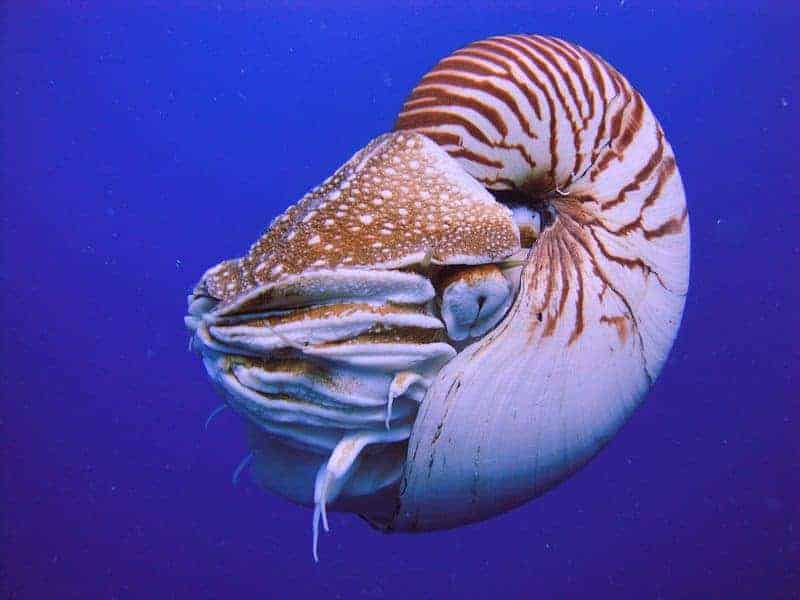
All goniatites had an external shell divided internally into gas-filled chambers that enabled the animal to remain buoyant. An open chamber at the front of the shell housed the animal, with access to the surrounding water through a ventral opening. The morphology and way of life of goniatites were probably similar to those of their later relatives, the ammonites: they could swim freely in the ocean and had a head with two eyes and well-developed arms or tentacles.
The typical goniatite has a specific suture on the shell that gives it the name “goniatite.” A distinctive “zigzag” pattern is present in some of the sutures.
Goniatites are found in North America, Europe, North Africa and Australasia, where they are used as index fossils for dating rocks and correlating strata. Notable concentrations occur in certain limestones in western Ireland, particularly at Slieve Anierin, which contain abundant, well-preserved goniatite fossils. They also occur in marine bands within Carboniferous coal-bearing sequences in Europe and in Pennsylvanian marine rocks in Arkansas. Large numbers are also found in the Devonian rocks of Morocco.



Reviews
There are no reviews yet.