Woolly mammoths became extinct approximately 4,000 years ago. Recent research indicates that the last surviving animals had genetic mutations that may have reduced their ability to adapt to changing environmental conditions.
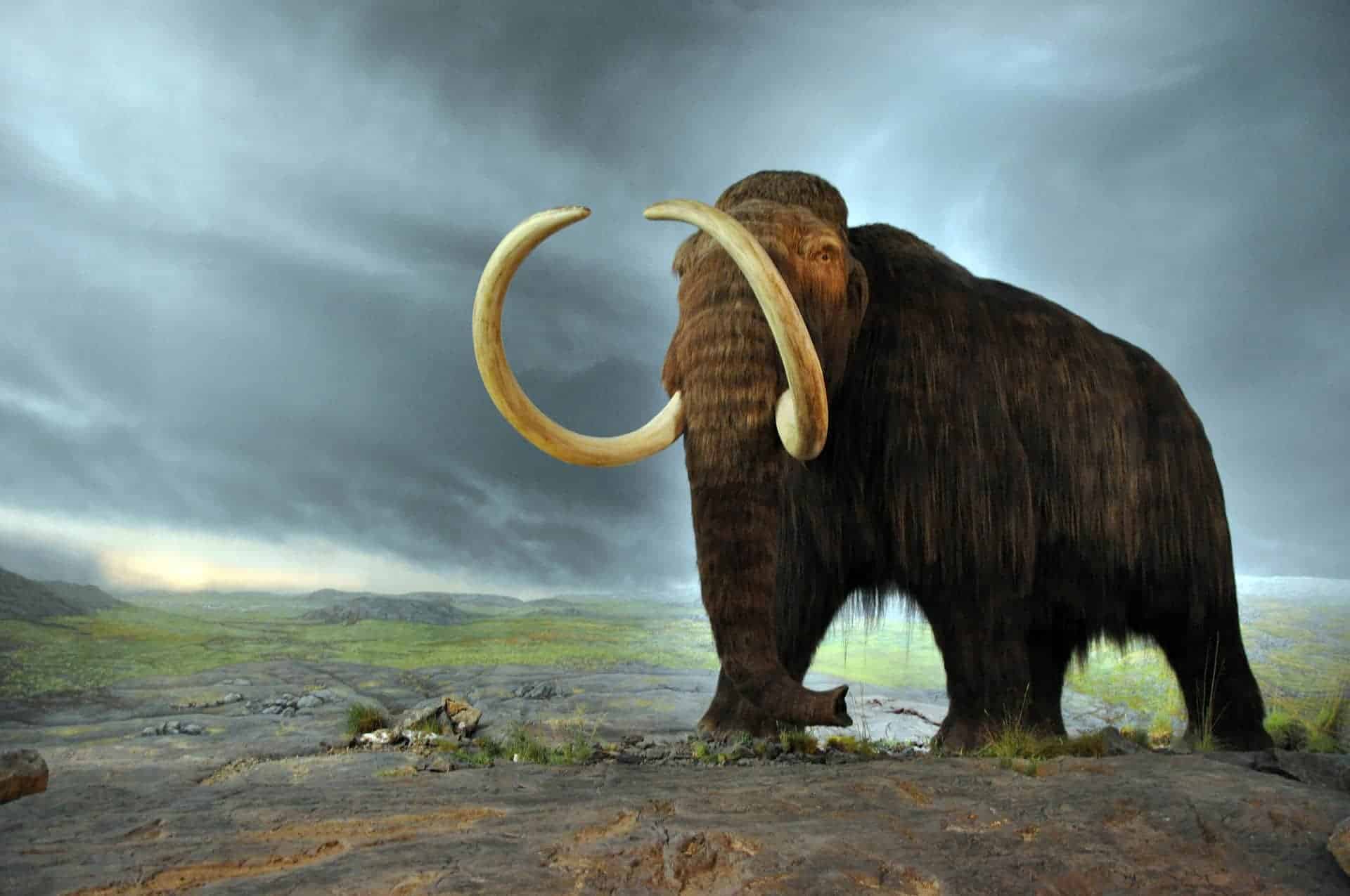
Woolly mammoths once inhabited North America and Siberia. Most populations disappeared approximately 10,000 years ago as a result of climatic warming and human hunting, but smaller populations survived in restricted habitats for another 6,000 years.
A recent study published in PLoS Geneticssuggests that the last mammoths experienced a gradual decline accompanied by genomic deterioration in their small remaining population. It compares the genome of a 45,000-year-old Siberian woolly mammoth with that of a 4,300-year-old mammoth from Wrangel Island, north of Siberia, the species’ last known refuge. The authors found that the last mammoths had accumulated harmful mutations before extinction. Two mutations altered the coat, producing an unusual silky, translucent appearance. Others affected the sense of smell, caused gastric irritation or prevented the production of urinary proteins that, as studies of elephants indicate, are important in attracting mates.
“In the Wrangel Island mammoth, we observe a substantial excess of harmful mutations. It is difficult to study a population on the verge of extinction, but advances in DNA sequencing made this possible,” said study co-author Rebekah Rogers. She emphasised that the study cannot establish whether these mutations caused mammoth extinction, although they would not have helped the animals adapt to a changing climate.
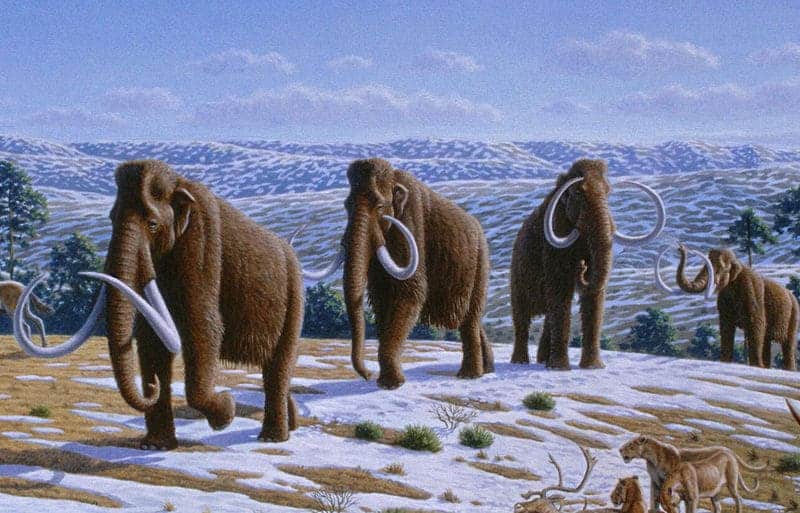
The findings have implications for conservation. An isolated population with few individuals may accumulate harmful genetic variants, so an increase in numbers does not necessarily eliminate the effects of those mutations. Nevertheless, Rogers notes that the mutations accumulated over hundreds of generations, raising hope that species whose populations have declined recently could be conserved before comparable genomic deterioration occurs.
Rogers does not rule out attempts to revive woolly mammoths, but raises ethical concerns: “Introducing a mutation into an elephant’s DNA could affect its quality of life. Elephants are highly intelligent and social, and their capacity for suffering is comparable to that of humans.” Swedish biologist Love Dalén similarly warns that introducing genes from declining populations could cause serious health problems. He adds humorously: “I do not know whether the Wrangel genome is being considered, but if so, we might get a surprise: a silky one with gastric irritation.”
Source: Scientific American
