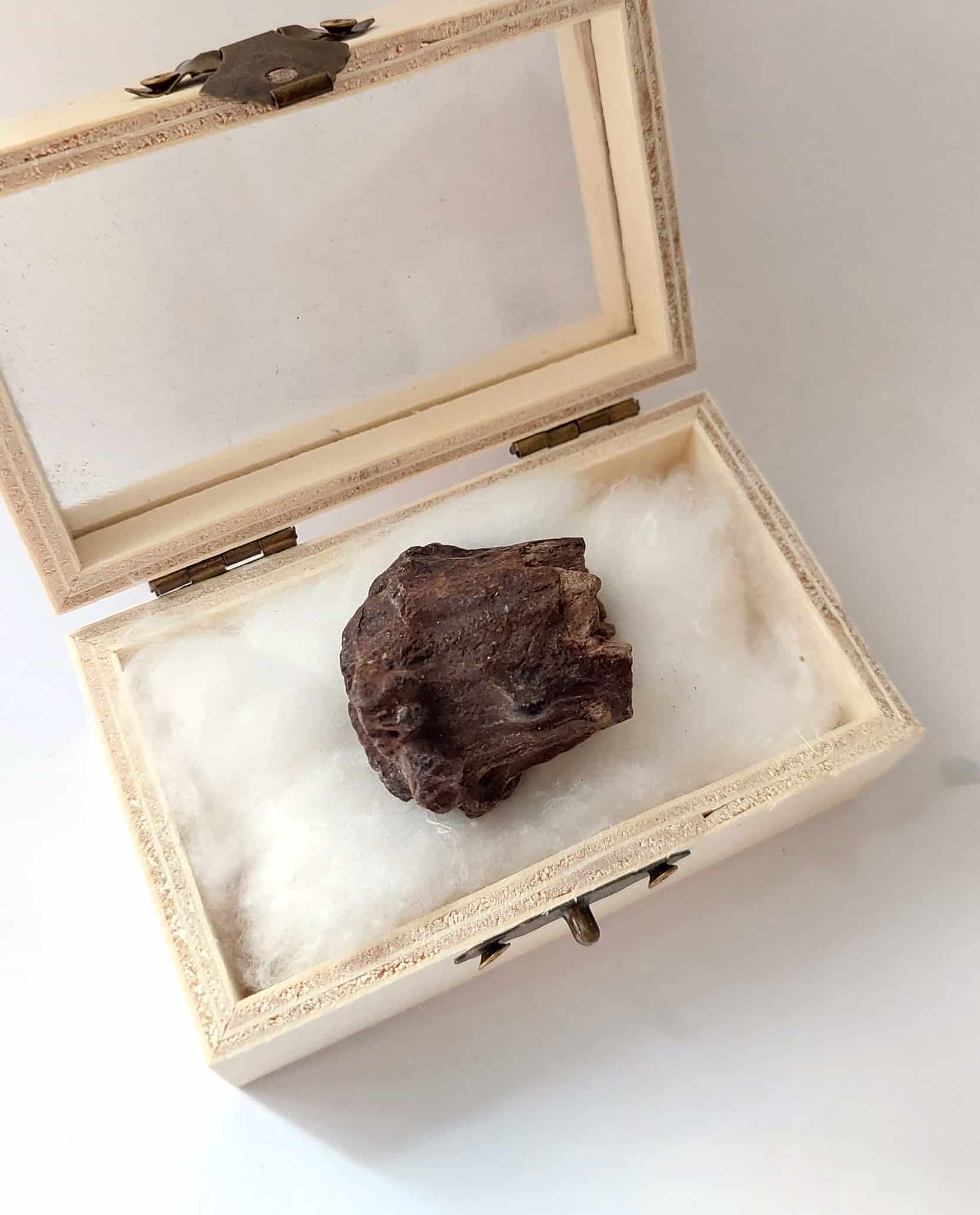


Description
Deer are hoofed ruminant mammals that form the Cervidae family and first appeared 7 – 9 million years ago, during the Miocene epoch.
Deer feed on various grasses, shrubs, trees, and lichens. They have small, unspecialized stomachs compared to other ruminant animals and high nutritional requirements. Instead of consuming and digesting large quantities of low-quality fibrous vegetation—as sheep and cattle do, for example—deer select easily digestible shoots, young leaves, fresh grasses, soft twigs, fruits, fungi, and lichens. Additionally, males require large amounts of minerals, such as calcium and phosphate, to support antler growth, which necessitates a nutrient-rich diet. There are even recorded instances of deer engaging in carnivorous behavior, such as consuming dead alewives along lake shores or raiding bird nests.
Most male deer possess antlers, unlike females which generally do not. These are primarily intended for reproductive success through sexual selection and fighting. The tines on the antlers create grooves that allow another male's antlers to lock into place. This allows males to fight without risking facial injury. Antlers are correlated with an individual's position in the social hierarchy and their behavior. For example, the heavier the antlers, the higher the individual's status in the social hierarchy, and males with larger antlers tend to be more aggressive and dominant over others. At the same time, antlers can be a signal of genetic quality; males with larger antlers relative to body size tend to have increased resistance to pathogens and greater reproductive capacity.







Reviews
There are no reviews yet.