


Description
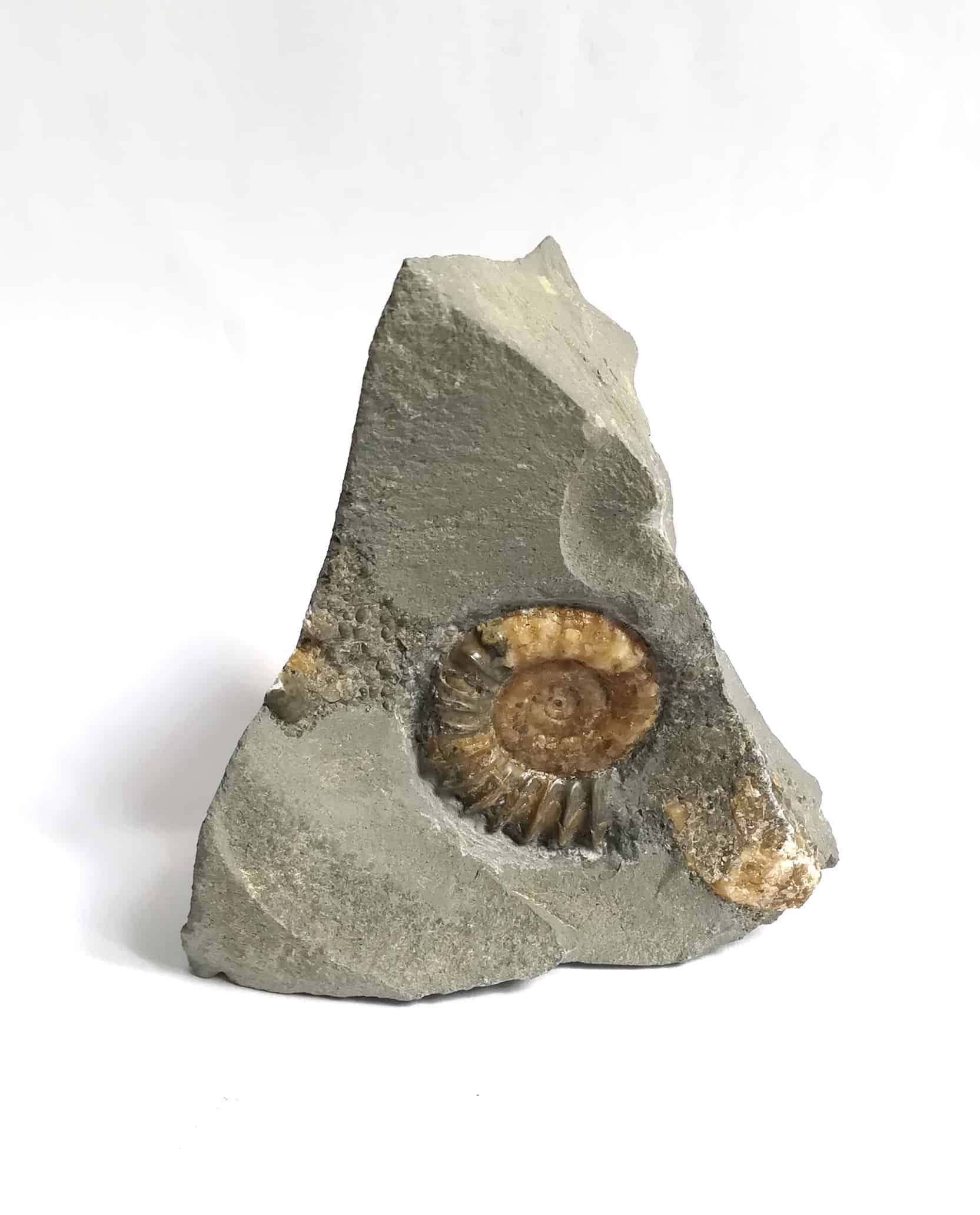
Goniatites were extinct marine cephalopods belonging to the ammonoid group. They are known from the Devonian and subsequent periods of the Palaeozoic, until the end of the Permian, approximately 252 million years ago.
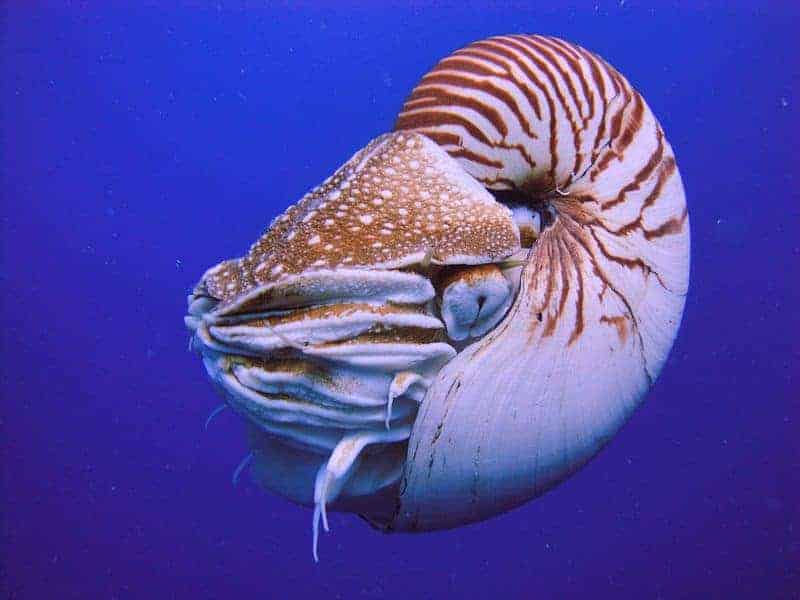
Their shell was divided into chambers. The animal occupied the body chamber at the open end, while the other chambers contained gas and liquid and contributed to buoyancy. The chambers and suture lines, formed where the internal walls met the shell, can be preserved in fossils and help researchers compare and identify these animals.
Goniatites are found in North America, Europe, North Africa and Australasia, where they are used as index fossils for dating and correlating rock layers. Notable concentrations occur in some limestones in western Ireland, particularly at Slieve Anierin, which contain well-preserved goniatite fossils. They are also found in the marine bands of European Carboniferous coal measures and in Pennsylvanian (Late Carboniferous) marine rocks in Arkansas. Many goniatites are also found in Devonian rocks in Morocco.















Reviews
There are no reviews yet.