


Description
The Megalodon shark (Otodus megalodon, formerly known as Carcharocles megalodon) was the largest known shark and one of the oceans’ most impressive predators. It lived during the Miocene and Pliocene epochs, approximately 23–3.6 million years ago. Its name means “large tooth”, a feature that makes it easy to recognise even today through its fossils.
Its large, thick teeth had serrated cutting edges adapted for slicing flesh and could withstand contact with the bones of its prey. Bite marks preserved on fossils show that Megalodon fed on marine mammals, including whales. Its size allowed it to exploit food sources beyond the reach of many other sharks.
Its exact size and body shape are still being studied, as the known remains consist mainly of teeth and vertebrae. Reconstructions vary depending on the fossils analysed and the methods used. Some estimates have suggested maximum lengths of approximately 18 metres, while a study published in 2025 proposed that some individuals may have reached approximately 24.3 metres. New discoveries are helping researchers build an increasingly detailed picture of this giant predator’s size and appearance.
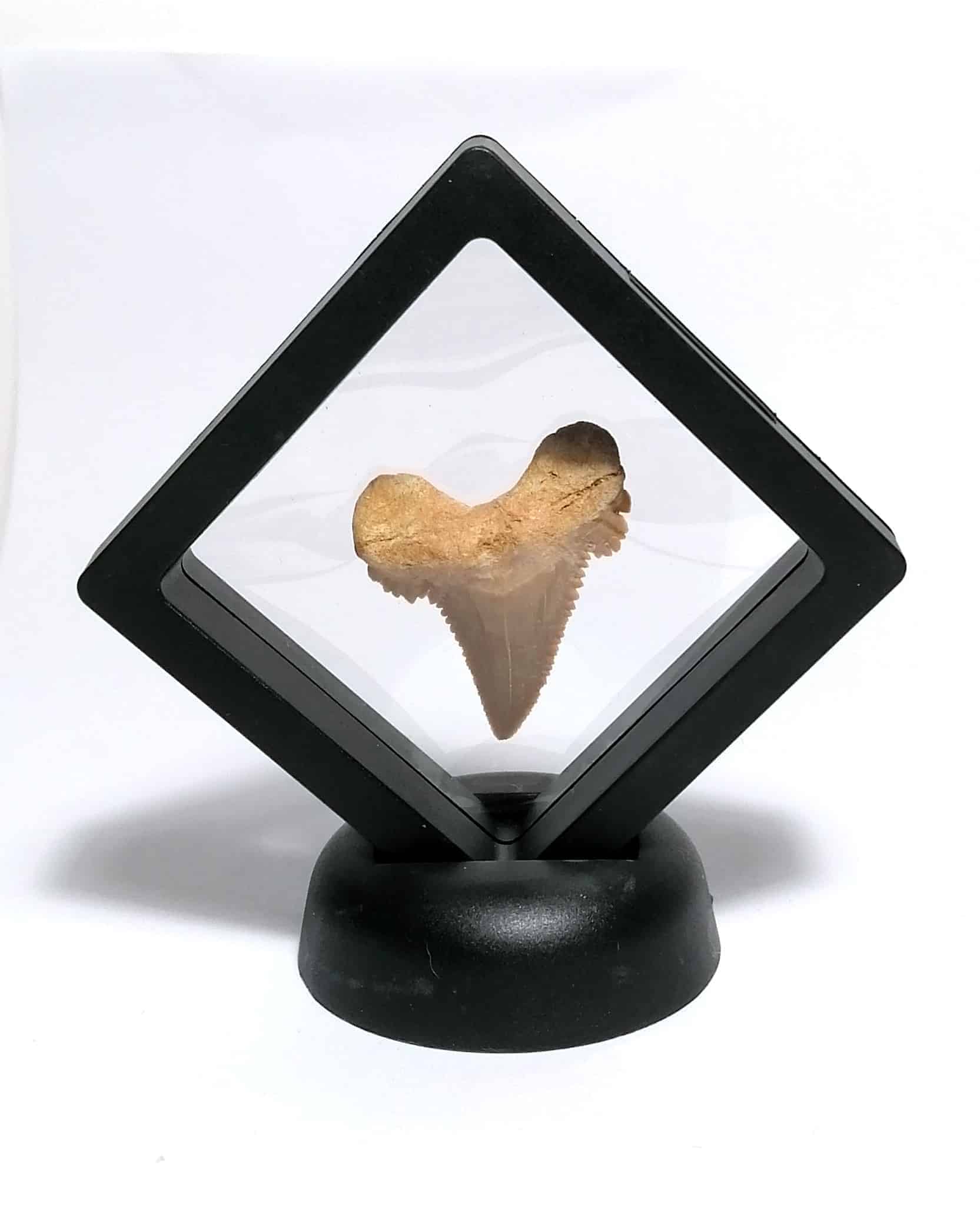
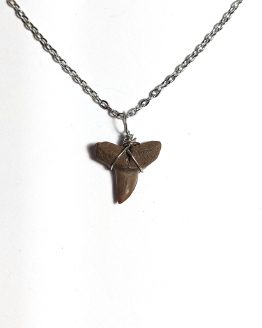
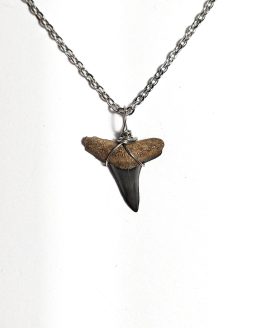
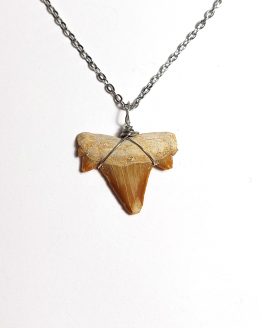
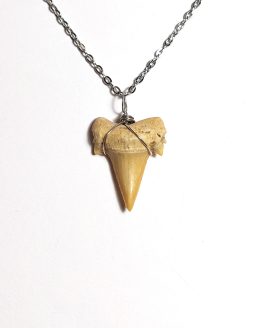
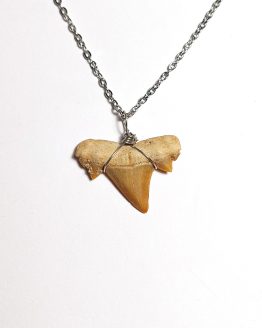
A fossilized Megalodon tooth preserves part of the anatomy of a giant predator that played an important role in marine ecosystems for millions of years. The shape of its crown and the serrations along its edges help us understand how it used this natural tool to feed.







Reviews
There are no reviews yet.