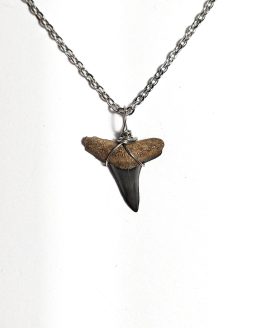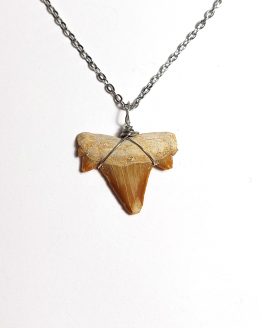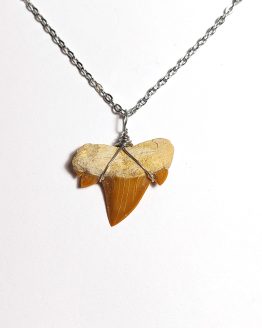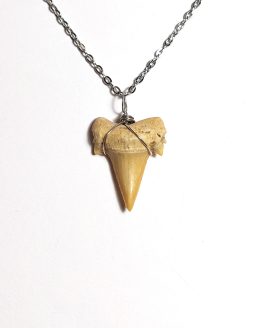
Out of Stock

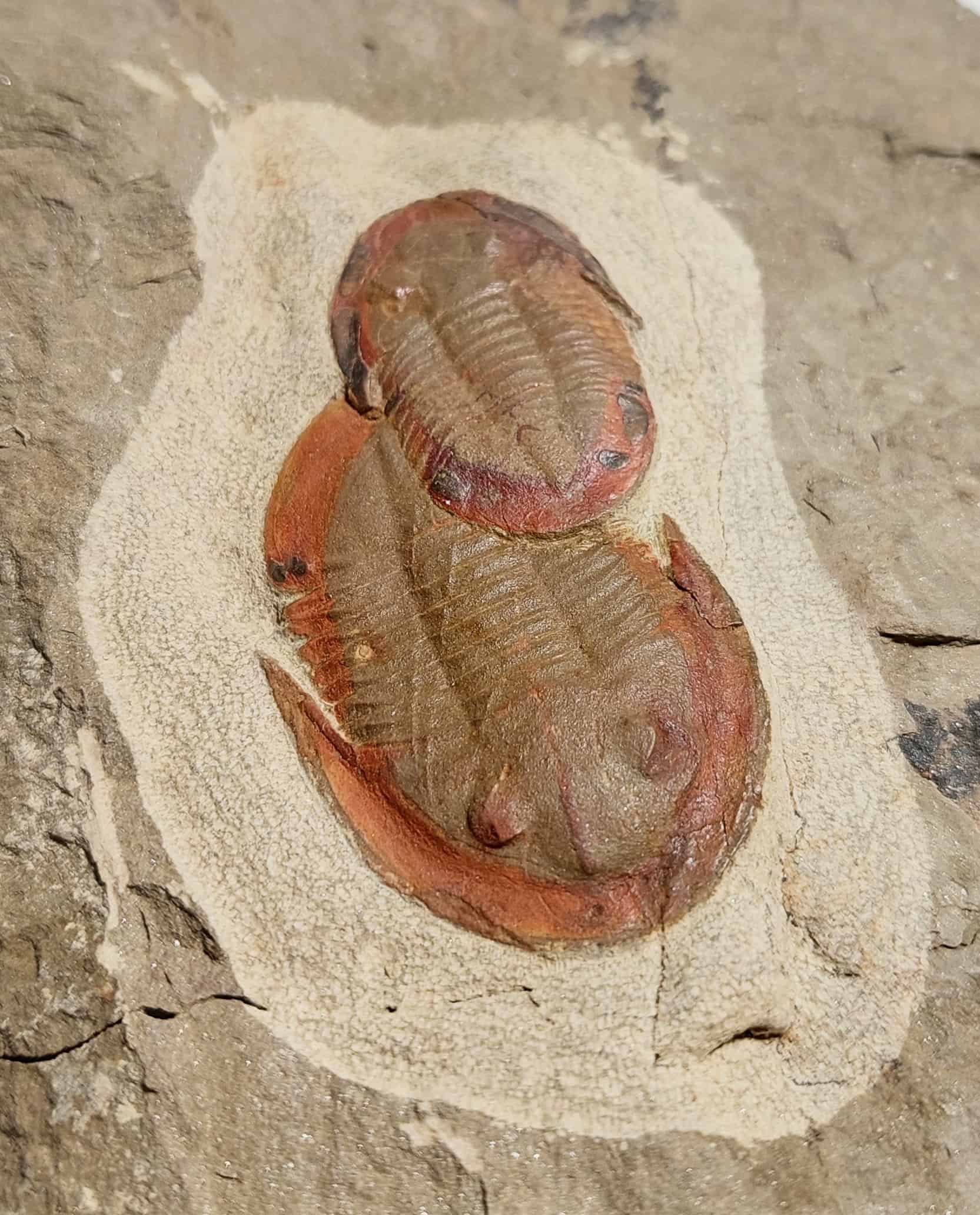
Authentic fossilized trilobite Asaphellus fezouatensis in natural matrix · 3.6–5.1 cm specimen length

480 million years old · Ordovician · Morocco

RON 999,99

Authentic fossilized trilobites Asaphellus fezouatensis in two dimensions from Morocco, approximately 480 million years old, in natural matrix. The specimen comes with a plastic display stand and is accompanied by a Certificate of authenticity signed by a professional geologist who examined the specimen. The fossil was prepared by removing sedimentary rock through sandblasting. This fossil is composed of the mineralized exoskeleton of a trilobite that was preserved in ocean floor sediments approximately 480 million years ago, during the Ordovician period. The Fezouata Formation in Morocco is famous for its impressive Ordovician fossils, which have a specific reddish color due to the presence of iron ore. A special decorative piece and a window into the past!

Due to its age, the specimen may have imperfections and repaired areas (glued sections) which are perfectly normal and often unavoidable, but it is, overall, in good condition. We invite you to carefully study the product photos to identify the natural imperfections and possible repairs of the specimen.

Click here for more general information about fossils

Specimen: authentic fossilized Asaphellus fezouatensis trilobites

Age: approximately 480 million years old, Ordovician period

Specimen dimensions: between approximately 3.6 and 5.1 cm in length (please look at the picture where the specimen is placed next to the ruler/in the hand to get an idea of its size)

Matrix dimensions: approximately 15 cm along the longest side

Country of origin: Fezouata formation, Zagora, Morocco

The product consists of a single matrix with trilobites Asaphellus fezouatensis authentic fossils, the one in the pictures above, and comes with a plastic display stand and a brochure containing specific geological and paleontological information, as well as a Certificate of authenticity signed by a professional geologist who examined the specimen.

Out of stock

SKU: trdubmat1 Category: Tags: , , ,

Description

Trilobites are an extinct group of marine arthropods, similar to present-day crabs. They lived from the Early Cambrian, approximately 521 million years ago, until the end of the Permian, approximately 252 million years ago. They were among the earliest animals on Earth and among the most successful, surviving continuously for around 270 million years until their extinction in the Permian. Trilobites ranged in size from a few millimetres to over 70 cm long, depending on the species.

Trilobites had a mineralized exoskeleton, composed mainly of calcite, which protected their bodies. It was replaced periodically through moulting as the animal grew. The exoskeleton was divided into three lobes (right, left and axial), giving trilobites their name. The body consisted of a head (cephalon), a segmented thorax and a pygidium, the rear section of the exoskeleton. Many trilobite fossils consist of the mineralized exoskeleton shed during moulting and preserved in sedimentary rocks. Soft parts, such as antennae and legs, are rarely found.

They were among the first animals to have eyes! Their compound, insect-like eyes had numerous lenses formed from their own exoskeleton, which have been preserved in fossils to this day and are highly prized by collectors. Some deep-sea trilobites, however, were blind.

Some species had spines and other projections on their exoskeletons, which may have helped protect them from predators. Devonian trilobites include forms with spectacular spines, whose fossils are prized by collectors for their remarkable detail.

Hydrocephalus sp. trilobite
Trilobite illustration Hydrocephalus sp. – artist Vladislav Egorov (3D model), Jaagup Metsalu (render) – Estonian Museum of Natural History – Wikipedia – the image has a strictly illustrative role and is not part of the product

Reviews

There are no reviews yet.

Be the first to review “Trilobiți fosilizați autentici Asaphellus fezouatensis în matrice naturală, 3,6–5,1 cm lungime specimen, 480 mil ani, Ordovician, Maroc”

Your email address will not be published. Required fields are marked *


Fossil jewelry

0
0
Your Cart
Your basket is empty