


Description
The cave bear (Ursus spelaeus) is a prehistoric species of bear that appeared in Europe and Asia 250,000 years ago, during the Pleistocene, and became extinct approximately 24,000 years ago, during the last Ice Age. Cave bears were comparable in size to or larger than the largest modern-day bears, measuring up to 2.0 m in length. The average weight for males ranged from 350 to 600 kg, while females weighed from 225 to 250 kg.
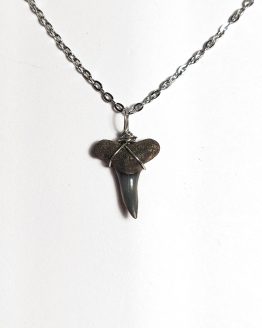
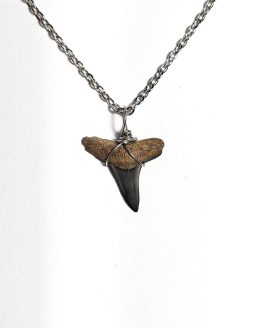
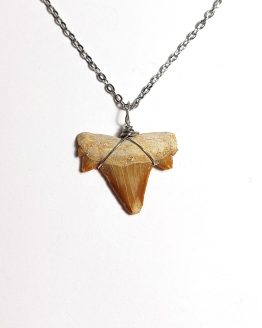
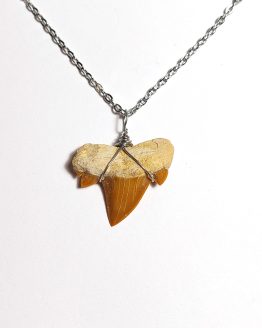
Cave bear teeth were very large and show greater wear than most modern bear species, suggesting a diet based on tough food. However, tubers and other foods that cause distinctive tooth wear in modern brown bears do not appear to have formed a major part of the cave bear's diet.
The morphological features of the cave bear's dentition, including the loss of premolars, indicate that their diet contained a higher proportion of plant matter than that of the Eurasian brown bear. An exclusively vegetarian diet has been inferred based on tooth morphology, and stable isotope results obtained from cave bear bones also point to a largely vegetarian diet, showing low levels of nitrogen-15 and carbon-13, which are accumulated at a faster rate by carnivores compared to herbivores.
However, some evidence points to the occasional inclusion of animal protein in the cave bear's diet. For instance, tooth marks on cave bear remains in areas where cave bears were the only plausible carnivores present suggest occasional cannibalistic behavior, likely scavenging on individuals that died during hibernation. Additionally, dental microwear analysis indicates that the cave bear may have consumed a greater amount of bone than its contemporary, the Eurasian brown bear.
Although the current prevailing opinion concludes that cave bears were largely herbivorous, more so than any modern species of the genus Ursus, growing evidence points toward potential omnivorous diets.





Reviews
There are no reviews yet.