Out of Stock

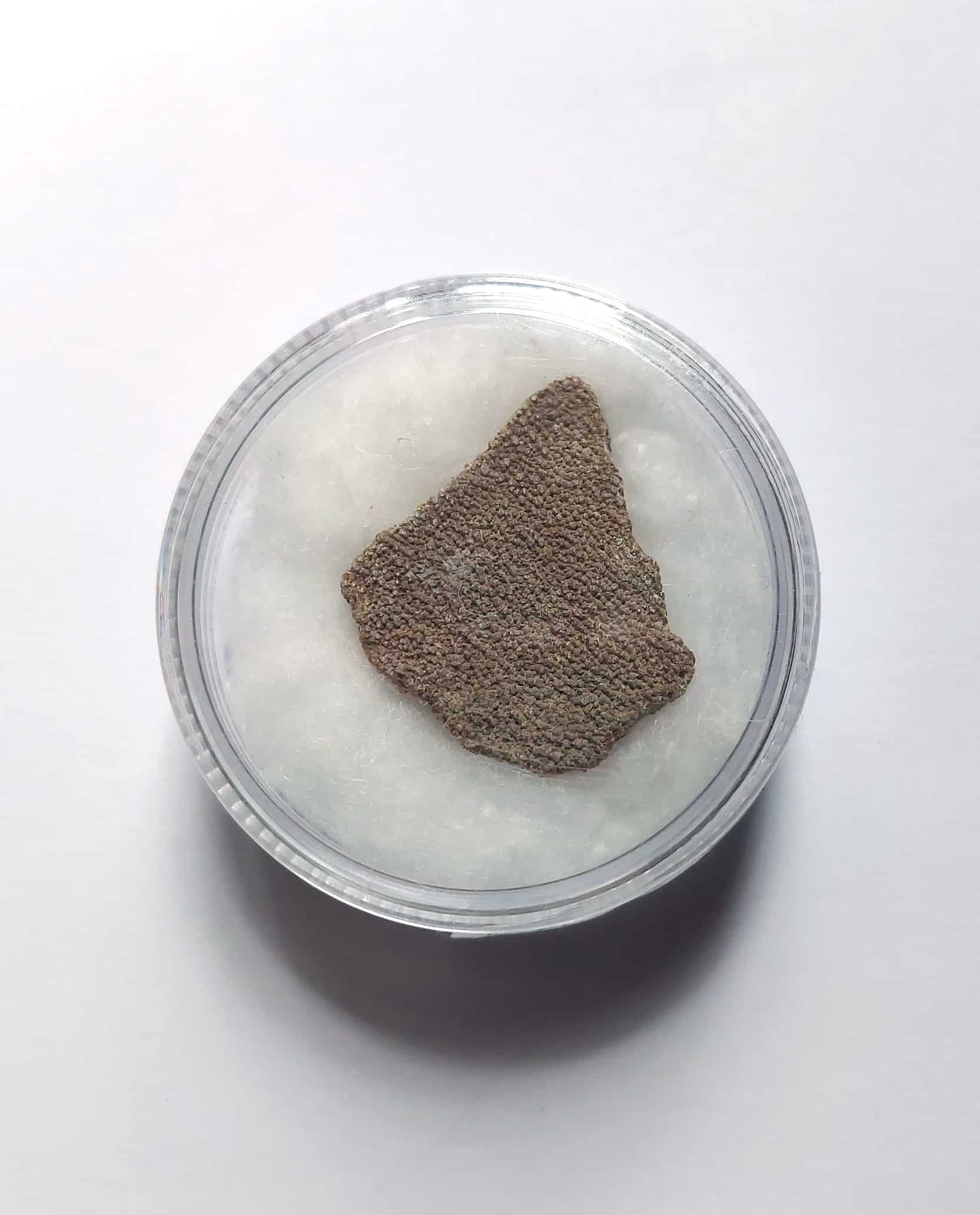
Authentic fossilised giant flightless bird eggshell fragment (Gastornis sp.) · 2.2 cm long

50 million years old · Eocene · France

RON 84,99

This specimen was purchased by the VAMA-BUCOVINA Egg Museum and can be viewed as part of their permanent exhibition. For more details, please visit the Museum's official website  here.

Authentic fossilized fragment of shell of a giant flightless bird egg Gastornis sp., approximately 50 million years old, from the Eocene epoch, in a plastic box. An excellent gift for someone passionate about curiosities or palaeontology!

Due to its age, the specimen may have imperfections and repaired areas (glued sections) which are perfectly normal and often unavoidable for a fossil this old, but it is in good overall condition. Please study the product photographs carefully to assess the specimen’s natural imperfections and any repairs.

Click here for more general information about fossils

Specimen: authentic fossilized giant flightless bird eggshell fragment (Gastornis sp.)

Age: approximately 50 million years old, Eocene epoch

Dimensions: approximately 2.2 cm long on the long sides (please see the photo showing the specimen next to a ruler or held in a hand to get an idea of its size)

Country of origin: St. Antonin sur Bayon, France

The product consists of a single authentic fossilized giant flightless bird eggshell fragment (Gastornis sp.) in a plastic display box, the exact one shown in the photos above, and comes accompanied by a brochure containing specific geological and paleontological information.

Out of stock

SKU: gastor1 Categories: , Tags: , , ,

Description

Gastornis is an extinct genus of large, flightless birds that lived from the Middle Paleocene to the Middle Eocene, approximately 60–42 million years ago. Gastornis is known from fossils found in Europe, North America and Asia. Several species of these large, flightless birds have been described.

Birds belonging to Gastornis were very large and were traditionally thought to prey on small mammals. However, the absence of curved claws in known Gastornis footprints, together with studies of their beak structure and other evidence, has led researchers to consider them herbivores that probably ate tough plant material and seeds.

These were generally very large birds, with huge beaks and massive skulls superficially resembling the carnivorous South American "terror birds" (phororusacids). The largest known species, G. gigantea could grow to about 2 m tall.
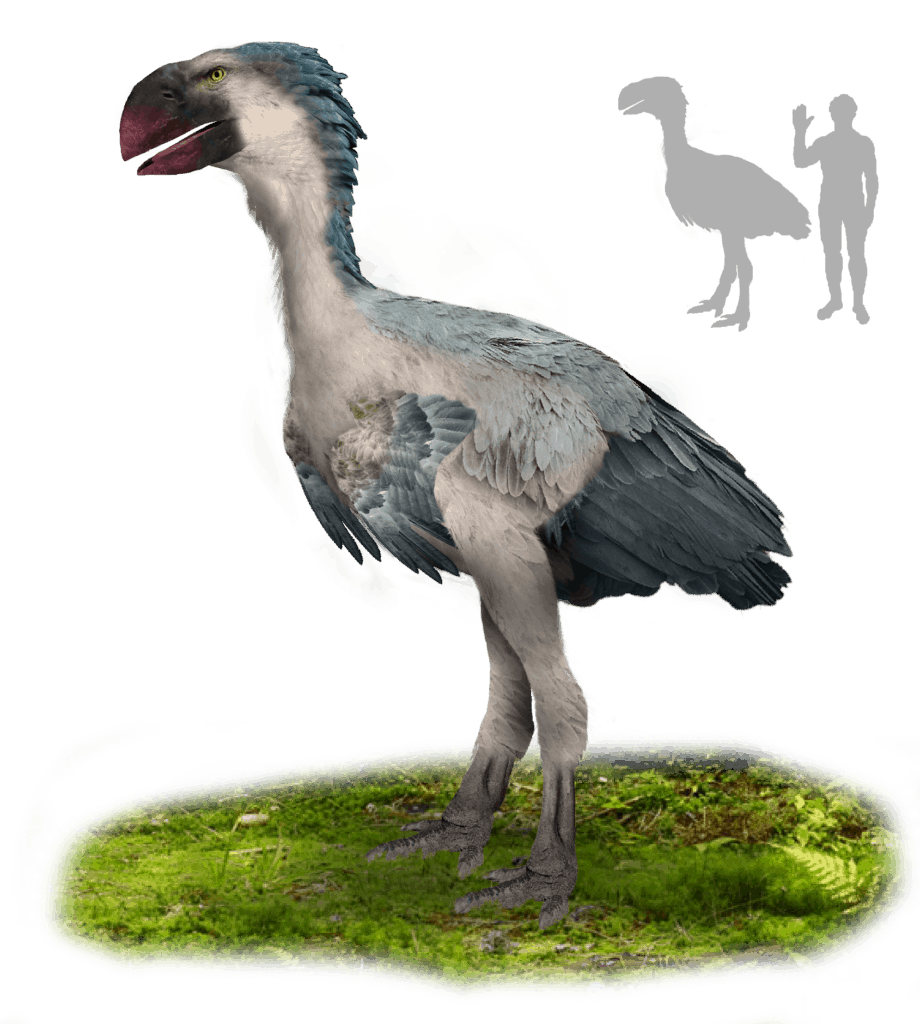
Gastornis reconstruction and size
Reconstruction and size of Gastornis – artist Tim Bertelink – source Wikipedia – the image is for illustrative purposes only and is not part of the product

Reviews

There are no reviews yet.

Be the first to review “Fragment fosilizat autentic de coajă de ou de pasăre alergătoare gigantică (Gastornis sp.), 2,2 cm lungime, 50 mil ani, Eocen, Franța”

Your email address will not be published. Required fields are marked *


Fossil jewelry

0
0
Your Cart
Your basket is empty