Woolly mammoths disappeared from the Earth about 4,000 years ago, but their demise hid a grim truth, recently discovered. The last woolly mammoths suffered from genetic mutations that made them unadaptable to a changing climate and world.
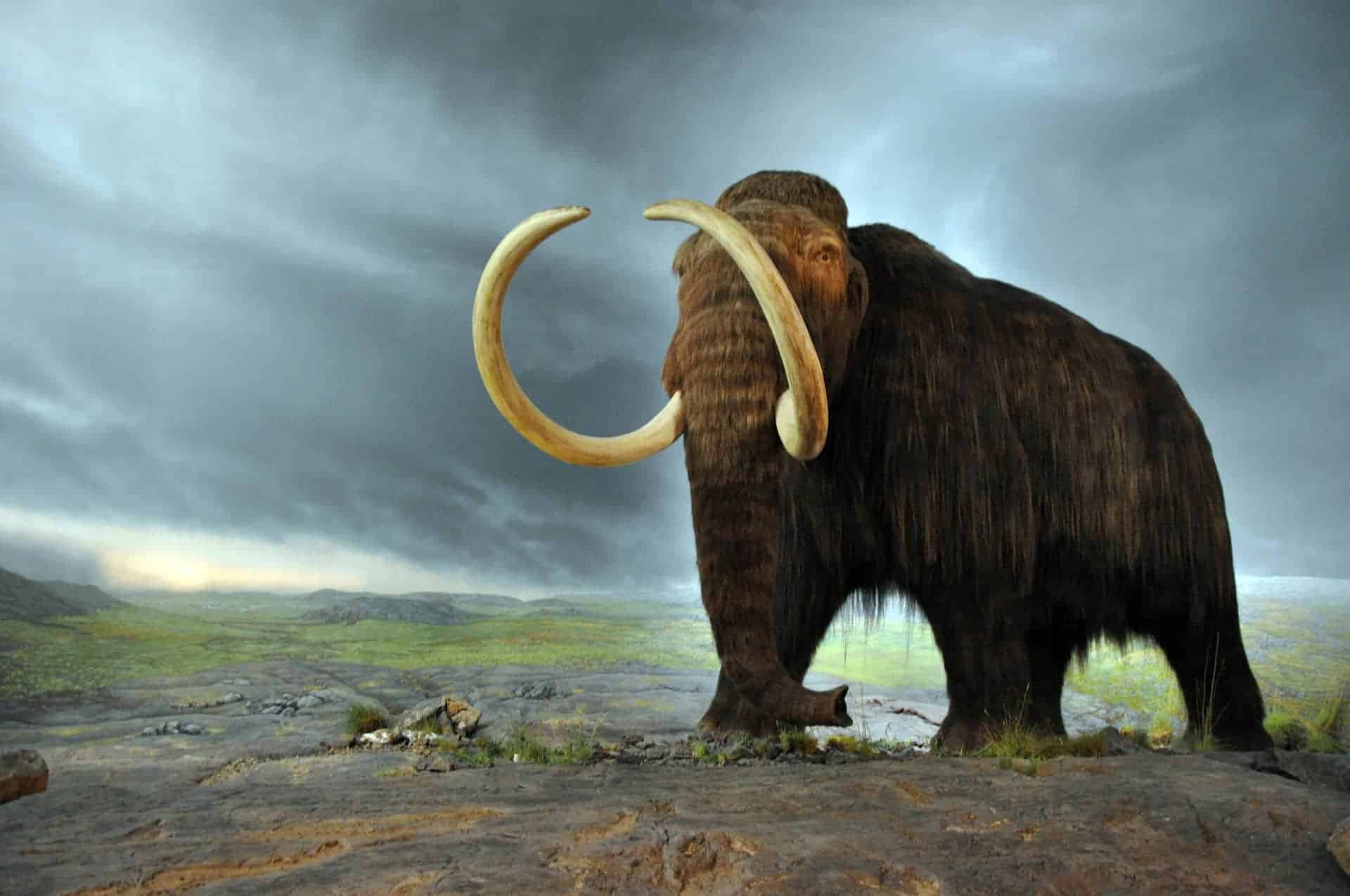
Woolly mammoths, which once lived in North America and Siberia, became extinct as a species about 10,000 years ago due to global warming and human hunting, although smaller populations managed to survive in restricted habitats for another 6,000 years.
A recent study published in PLoS Genetics, shows that the last mammoths to live on Earth met a slow demise, aided by a decline in their genomes due to the small population remaining. The study compares the genome of a 45,000-year-old woolly mammoth that lived in Siberia with that of a 4,300-year-old mammoth that lived on Wrangel Island, located north of Siberia, the last known refuge of the mammoths. The authors show that the last mammoths suffered unfavorable genetic mutations before extinction. Two such mutations led to a change in the appearance of their fur, which took on a strange, silky translucency. Other mutations affected their sense of smell and caused stomach irritation, and others prevented the production of proteins in their urine, which, as research on elephants shows, play an important role in attracting a mate.
„"In the case of the Wrangel Island mammoth, we see a massive excess of unfavorable mutations. It's very difficult to track a population that is on the verge of extinction, but our study made it possible because of advances in DNA sequencing," said study co-author Rebekah Rogers. Rogers admits that she can't say for sure whether unfavorable genetic mutations led to the mammoths' extinction or not, but they certainly didn't help them adapt to a changing climate.
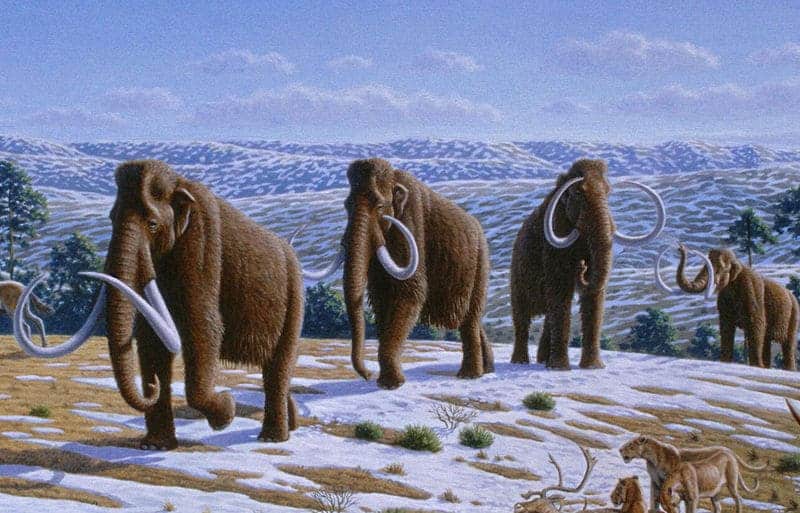
The new findings have serious implications for conservation efforts for some endangered species, because saving an isolated community with a small number of individuals can lead to the spread of unfavorable genes, meaning that even as the community grows in numbers, it is affected by genetic mutations. However, Rogers adds, given that the mutations have accumulated over hundreds of generations, there is hope that recently added species to the endangered list could be saved with their genomes intact.
Regarding the „rebirth” of woolly mammoths, Rogers does not rule out the possibility, but raises ethical issues: „If a genetic mutation is introduced into the DNA of elephants, this could affect their quality of life. They are extremely intelligent and sociable and have a capacity for suffering similar to humans.” Swedish biologist Love Dalén also points out that the introduction of genes from endangered animals into DNA could lead to serious health problems. And he adds, jokingly: „I don’t know if the use of the Wrangel genome is being considered, but if that is the case, we might have a surprise – a silky one with gastric irritation.”
Source: Scientific American
