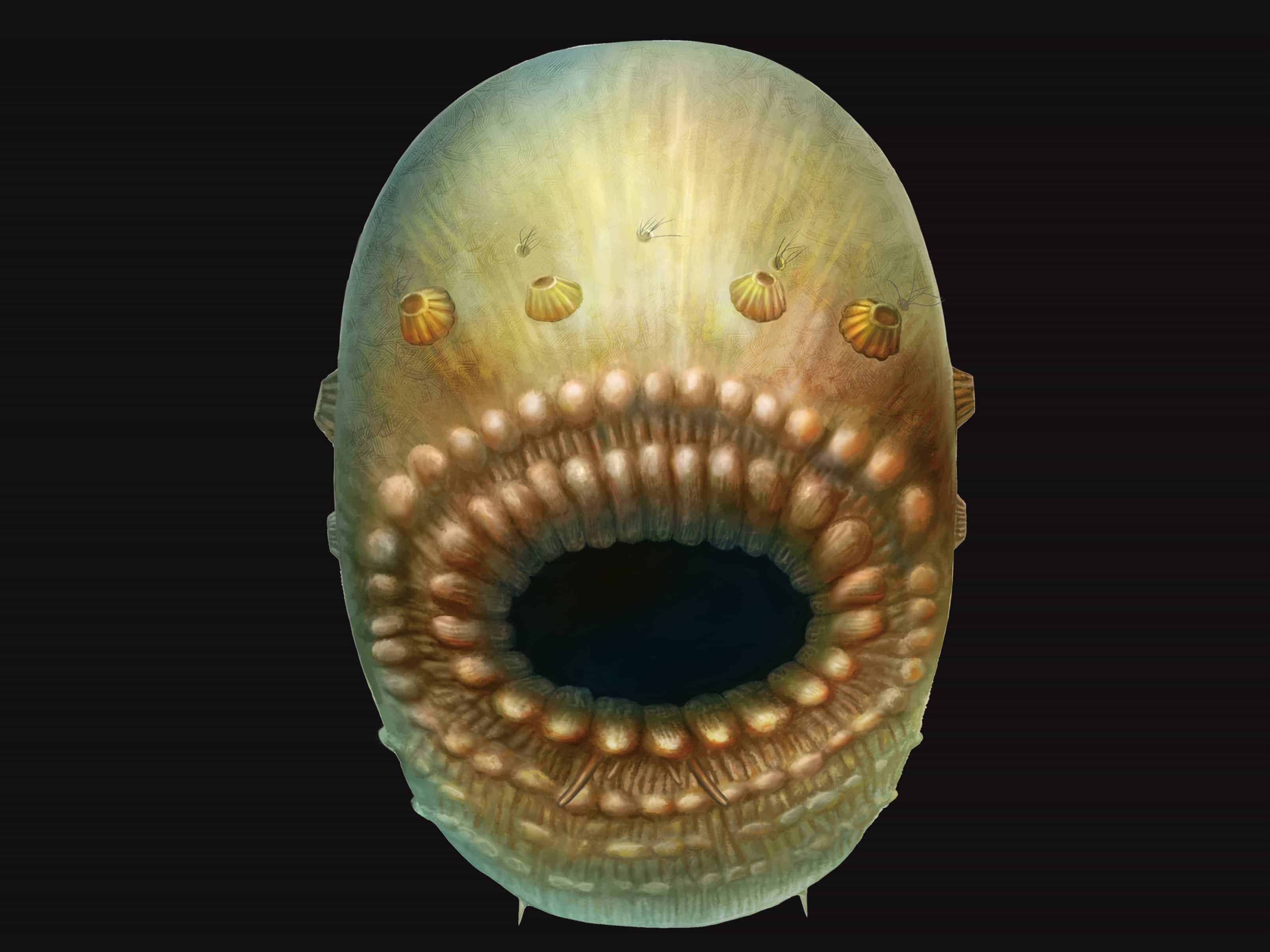
A microscopic fossil discovered in China may represent the earliest human ancestor identified to date. The aquatic animal resembled a rounded sac covered by a thin outer layer.
Scientists have long sought to understand the evolutionary origins of humans. Fossil discoveries have provided important evidence, and a newly discovered fossil from China appears to add another piece to this picture. It has been interpreted as the earliest human ancestor identified to date.
This microscopic organism, named Saccorhytus lived 540 million years ago, at the beginning of the Cambrian Period, and represents the most primitive form identified to date of the animal group Deuterostomia, whose members diversified and eventually gave rise to vertebrates, including humans.

Saccorhytus was identified in Shaanxi Province, China, and is exceptionally well preserved, according to the palaeontologists who discovered it. It measured approximately 1 mm and is thought to have lived on the seabed.
The small marine organism had a sac-like body covered by a very thin, flexible outer layer. Beneath this covering, Saccorhytus had muscles that could contract to produce movement. Another notable feature is that Saccorhytus had a very large mouth relative to its body. This suggests that it probably fed by swallowing smaller marine organisms or fragments of other organisms.
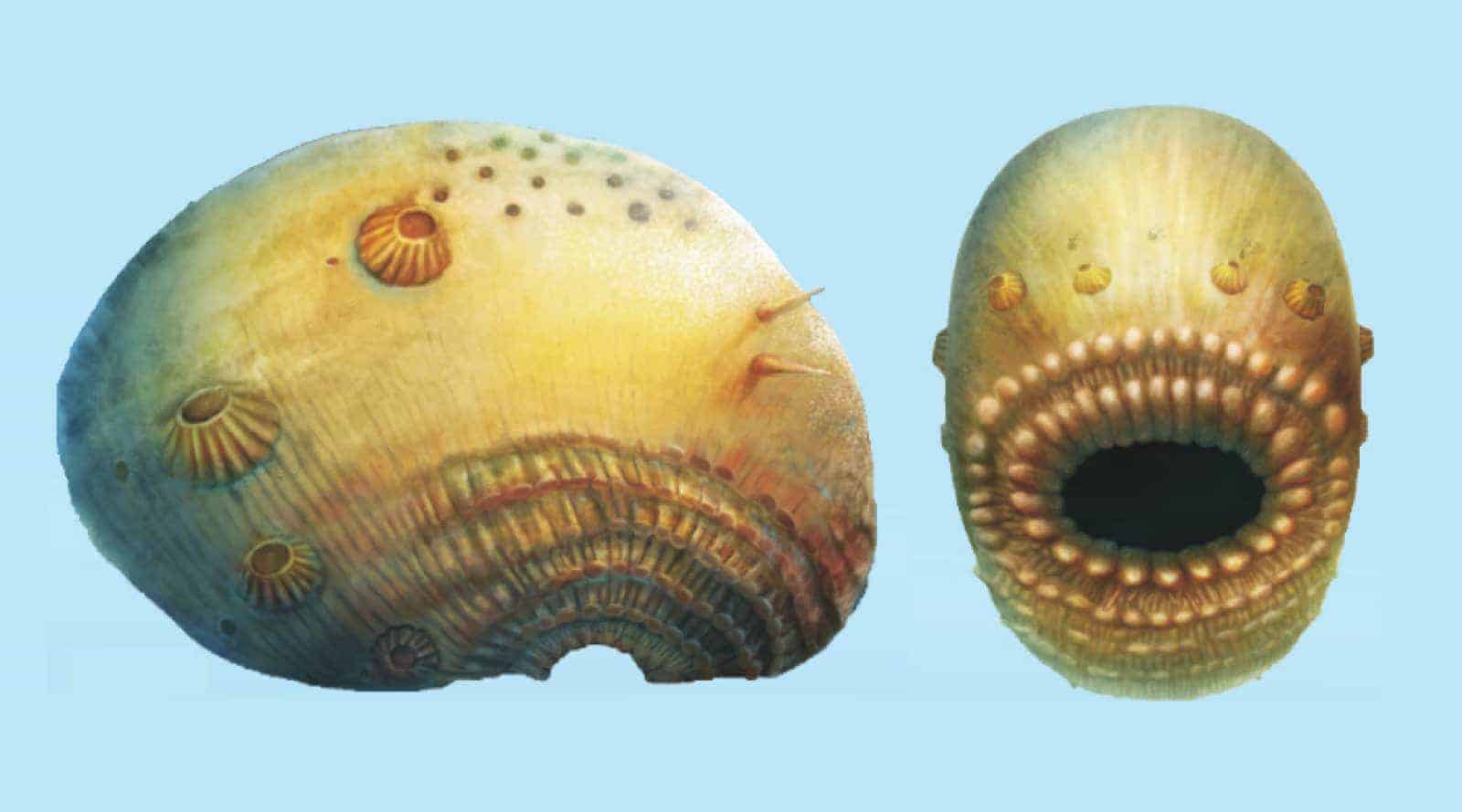
The body bore several conical structures that may have allowed water swallowed with food to escape, potentially representing an early version of the gills found in living fish. It appears to have lacked an anus, implying that waste was expelled through the mouth.
Despite its minute size and simple anatomy, the discovery of Saccorhytus is an important step towards understanding the evolutionary processes that led, over hundreds of millions of years, to the emergence of our species.
Sources: University of Cambridge, LiveScience
