Tens of millions of years ago, Antarctica had a much warmer climate than it does today. Its flora and fauna differed from those of the present, and dinosaurs inhabited the continent. Palaeontologists have discovered five Antarctic dinosaurs, including Glacialisaurus, a herbivorous dinosaur, and Cryolophosaurus, a carnivorous dinosaur.
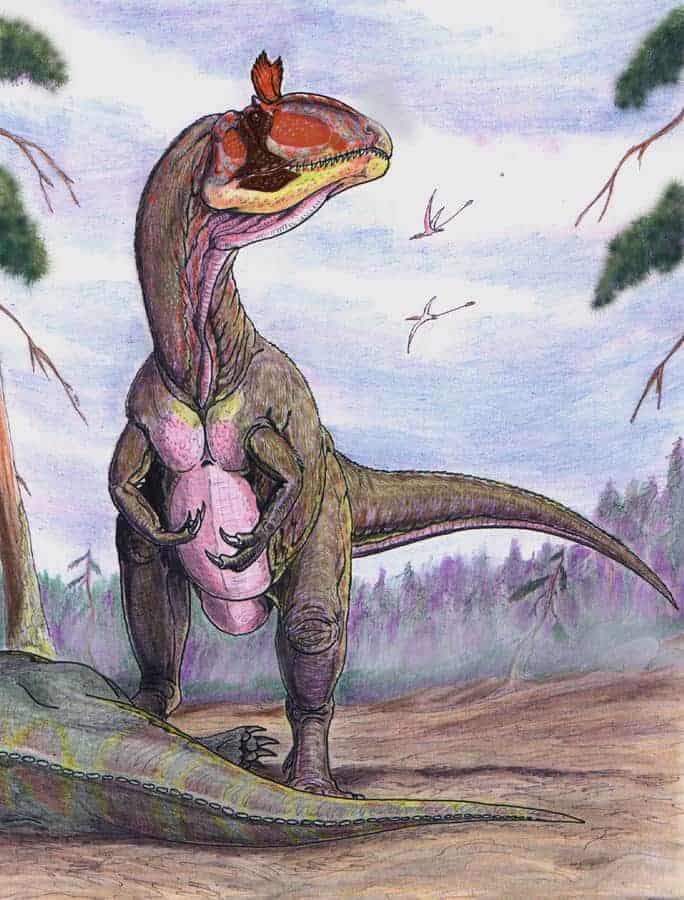
Today, Antarctica is known for temperatures well below 0°C, but approximately 190 million years ago its climate was much warmer. Situated closer to the equator, the now ice-covered continent could support dinosaurs. Expeditions have uncovered five Antarctic dinosaurs: Antarctopelta, Cryolophosaurus, Trinisaura, Morrosaurus and Glacialisaurus.
During the Jurassic Period, the supercontinent Gondwana began to break apart, and East Gondwana drifted southwards. This landmass included Madagascar, India, Australia and Antarctica. By the beginning of the Cretaceous, Antarctica was at or near the South Pole. Nevertheless, polar ice caps were absent from Earth for much of this interval, and forests extended into the southern polar region. Herbivorous dinosaurs such as Antarctopelta and Trinisaura have been found in Antarctic rocks dating to the Cretaceous.
Antarctopelta
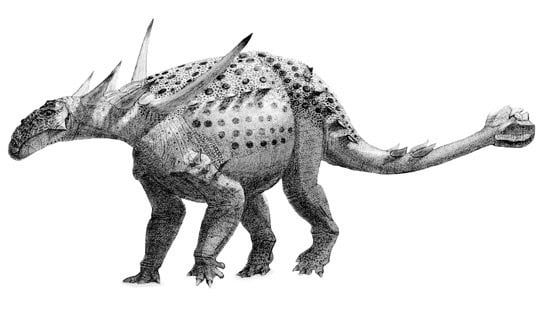
Antarctopelta is a genus of ankylosaurs represented by a single known species, A. oliveroi, which lived in Antarctica during the Cretaceous Period. This medium-sized herbivore reached up to 4 metres in length and bore the characteristic body armour of ankylosaurs. It combined features of two different ankylosaur families, making classification difficult. The first fossils of Antarctopelta were discovered on James Ross Island in 1986. Antarctopelta was the first dinosaur discovered in Antarctica, although no complete skeleton has been identified.
Cryolophosaurus
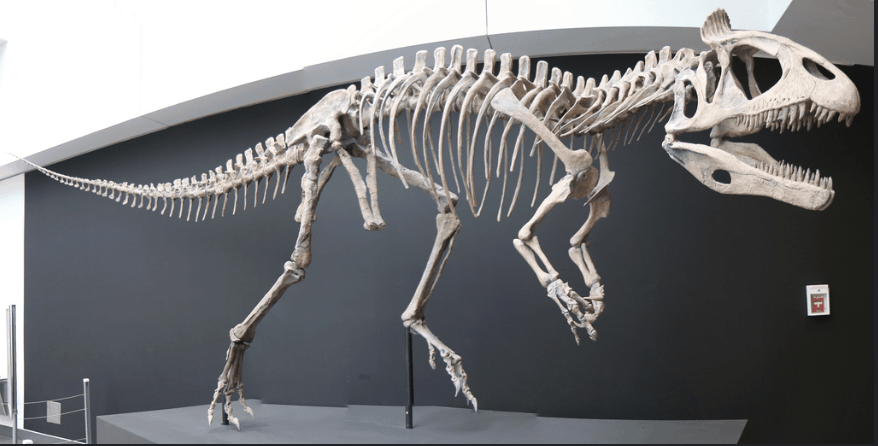
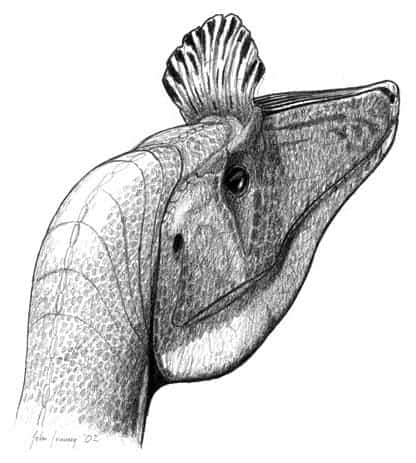
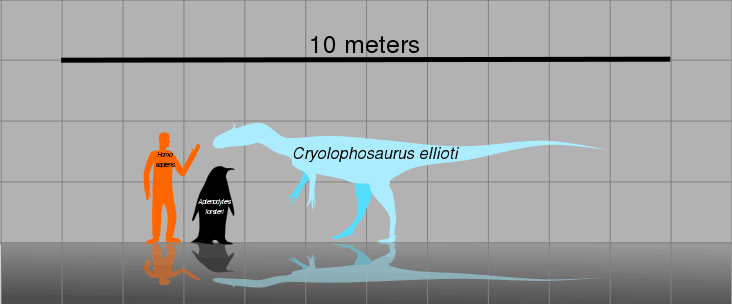
Cryolophosaurus is a genus of large theropods represented by a single known species, Cryolophosaurus ellioti, which lived in Antarctica during the Jurassic Period. This carnivorous dinosaur measured approximately 6.5 metres in length and weighed about 465 kg, placing it among the largest theropods of its time. Larger individuals may have existed, but only one incomplete skeleton has been found. The fossils of Cryolophosaurus include a skull and a femur. Although the skull displays many derived features, the femur is relatively primitive. Cryolophosaurus had a distinctive crest extending across the top of its head, resembling a Spanish ornamental comb, or peineta. The crest may have served in recognition between members of the species. Cryolophosaurus also had a more primitive brain than other theropods. It was the first carnivorous dinosaur discovered on the now ice-covered continent. Its fossils were excavated in the Hanson Formation in 1991 by palaeontologist Dr William Hammer.
Glacialisaurus
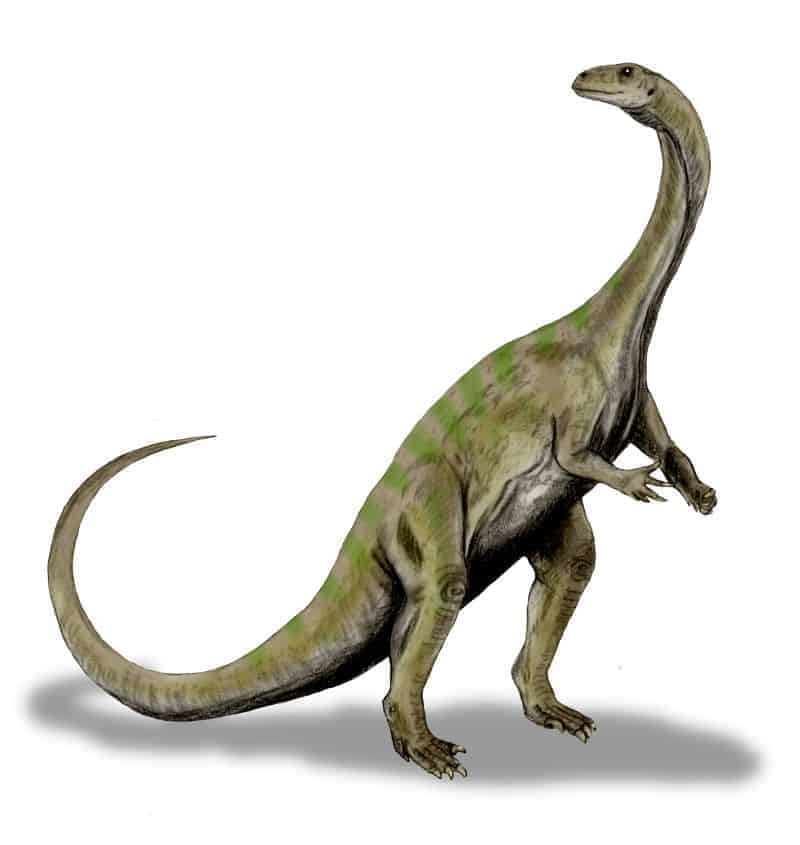
Glacialisaurus is a dinosaur genus in the suborder Sauropodomorpha, in the family Massospondylidae. This herbivorous dinosaur lived during the Jurassic Period in Antarctica, in what is now the Transantarctic Mountains. Unlike more derived sauropods, Glacialisaurus walked on two legs rather than four.
Trinisaura
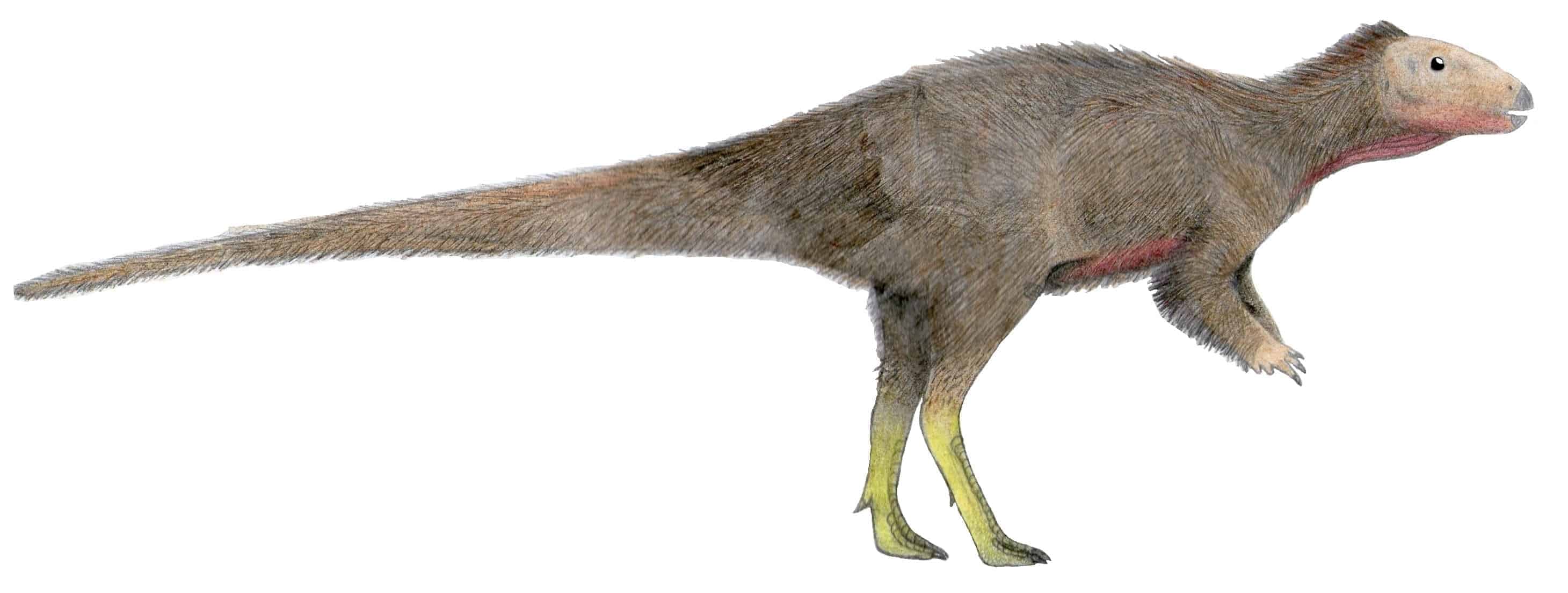
Trinisaura is a genus of ornithopod dinosaurs represented by a single known species, Trinisaura santamartaensis. This small duck-billed dinosaur was discovered on James Ross Island, Antarctica, in 2008. Trinisaura was herbivorous and lived during the Cretaceous Period.
Morrosaurus
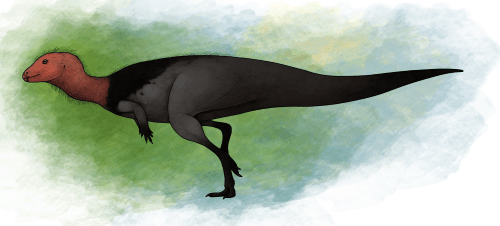
Morrosaurus is a genus of herbivorous dinosaurs in the order Ornithischia, which lived in Antarctica during the Late Cretaceous. The only known species in this genus is Morrosaurus antarcticus. It was discovered in 2002 by Argentine palaeontologist Fernando Novas.
New studies of Cretaceous Antarctica suggest that lower oxygen concentrations may, unexpectedly, have contributed to global warming and the proliferation of polar dinosaurs. Ultimately, the mass extinction at the end of the Cretaceous involved climatic changes that contributed to the disappearance of the non-avian dinosaurs and many other plant and animal species.
Sources: EarthArchives, Mental Floss, The Guardian
