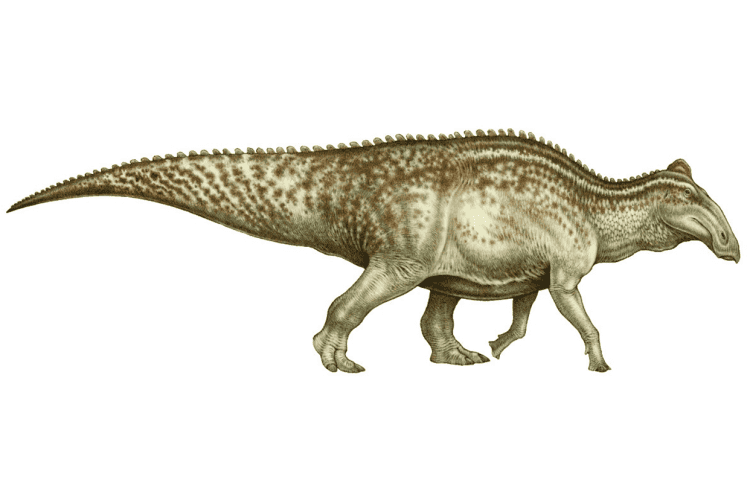
Edmontosaurus included some of the largest dinosaurs of its time and some of the last non-avian dinosaurs. Its characteristic duck-like bill makes it readily recognisable, and the large number of fossils discovered has provided extensive information about this extinct genus. The name Edmontosaurus means “reptile from […]
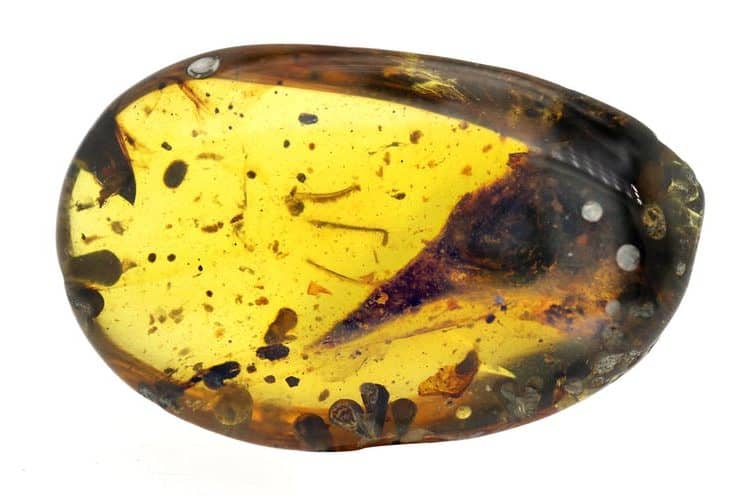
A head preserved in amber and dated to approximately 99 million years ago was initially interpreted as belonging to the smallest dinosaur yet identified. Amber has yielded numerous palaeontological discoveries, including prehistoric insects and dinosaur feathers, preserving […]

Tens of millions of years ago, Antarctica had a much warmer climate than it does today. Its flora and fauna differed considerably from those of the present day, and dinosaurs inhabited the continent. Palaeontologists have identified only five of the dinosaurs that […]
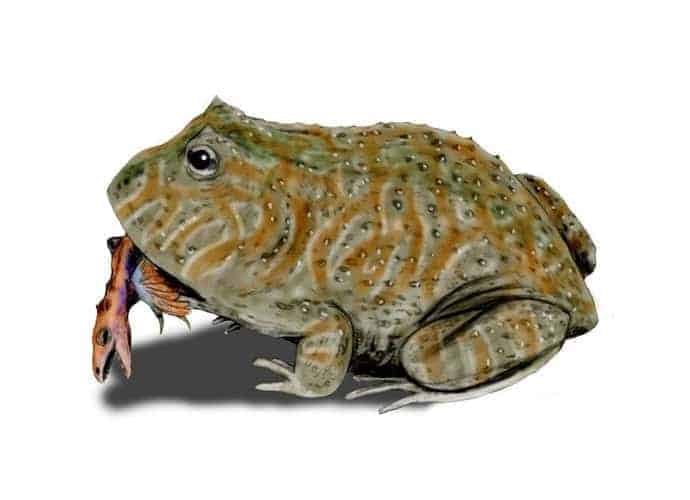
Approximately 70 million years ago, during the Cretaceous, the giant frog Beelzebufo ampinga could reach 41 cm in length. Its powerful bite may have enabled it to prey on small dinosaurs. Dinosaurs were not the only large animals living at that time […]
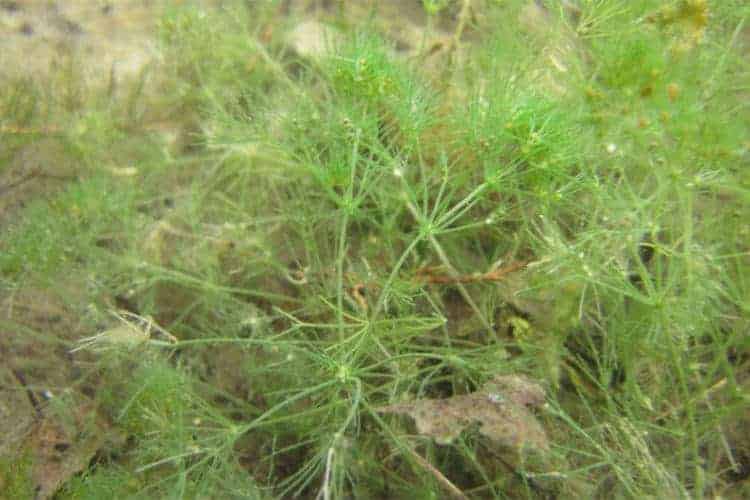
Scientists rediscovered Lychnothamnus barbatus in North America, an algal species with a fossil record extending to the Cretaceous. Although it had been considered extinct in the region, its rediscovery suggests that it may have persisted there. Although the present-day world […]
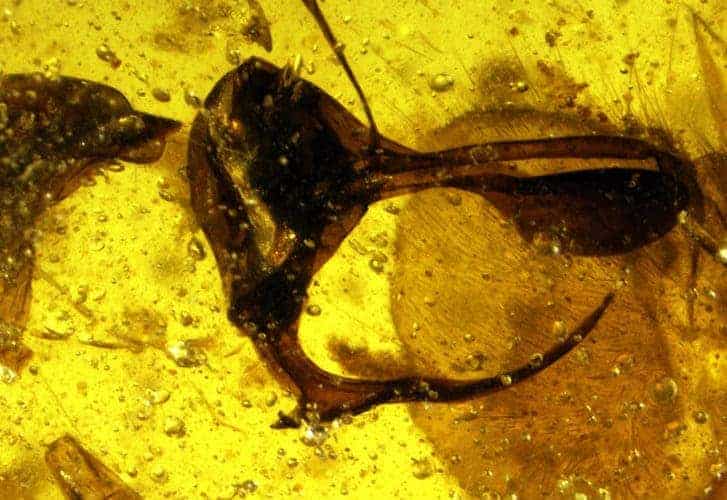
A new species of “hell ant” was discovered in 98-million-year-old amber from Myanmar, formerly Burma. Linguamyrmex vladi possessed powerful jaws and a sharp, metal-reinforced horn, which it may have used to pierce prey and feed on haemolymph. The amber deposits […]
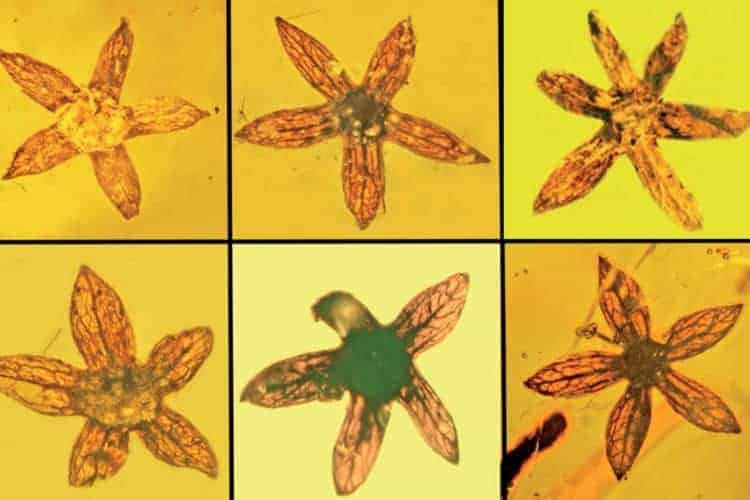
A piece of approximately 100-million-year-old amber from Myanmar, studied by Professor George Poinar Jr., preserved flowers from the Cretaceous. These specimens provide early evidence of sexual reproduction in flowering plants. A […]
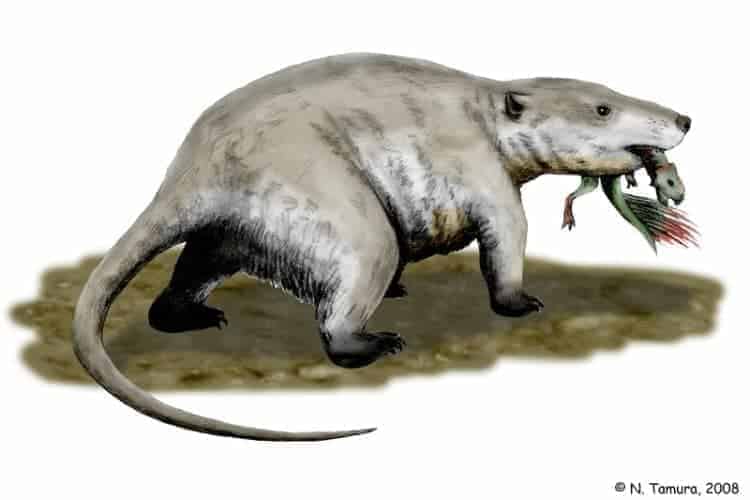
Not all Mesozoic mammals were vulnerable to dinosaurs. Fossils from China reveal that Repenomamus could consume small dinosaurs in Early Cretaceous forests. One species was named Repenomamus giganticus. Repenomamus was unusually large for a mammal of the Cretaceous, approximately 145.5–65.5 million years ago. While most mammals […]
