Scientists have rediscovered a Cretaceous-era plant thought to have disappeared from North America: Lychnothamnus barbatus. Although this algal species was believed to be extinct in the region, its rediscovery suggests that it may never have disappeared.

Although today’s world may seem radically different from that of the dinosaurs, recent discoveries reveal connections that persist across tens of millions of years. One example is a plant rediscovered in North America after being considered extinct there. This prehistoric green alga was thought to have disappeared from the continent more than 66 million years ago, during the Cretaceous. The plant, called Lychnothamnus barbatus, is a green alga in the family Characeae.
Scientists at Drexel University in Philadelphia rediscovered this prehistoric alga in present-day North America, leading to two hypotheses. It may have been accidentally introduced by ships from overseas regions where it still occurs, or it may never have become extinct in North America. The second possibility is particularly significant.
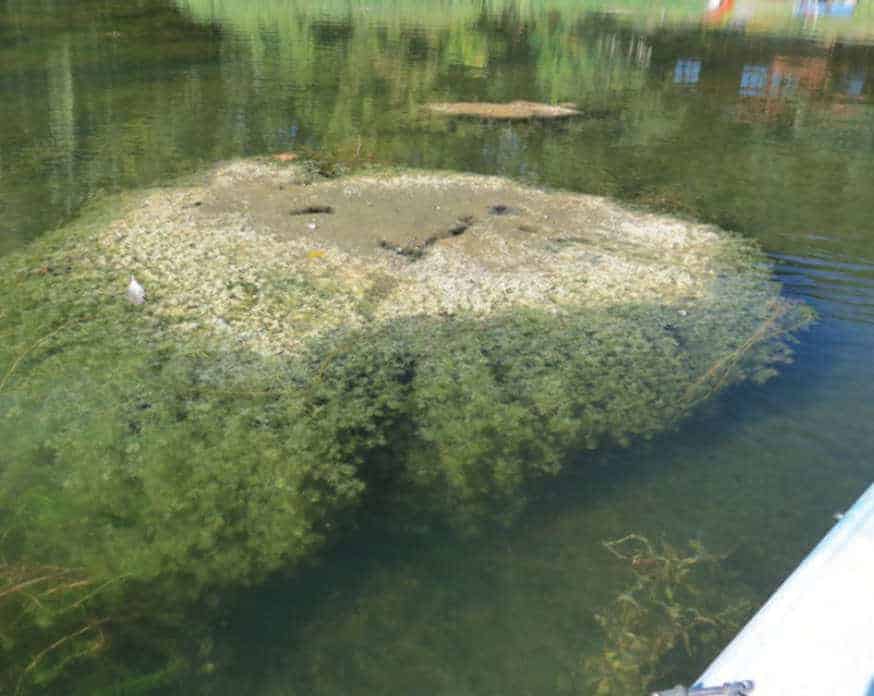
The plant, thought to have disappeared from North America, had previously been observed in parts of Europe and Australasia. It grows to approximately 0.3 metres and has a distinctive star-like form. This freshwater alga inhabits muddy river and lake bottoms. Study co-author Richard McCourt explained: “We almost immediately realised that we were dealing with a specimen thought to be extinct, because it was clearly different from any other species observed in North America.” Its prolonged absence from records raises the question of how it could have been overlooked for so long.
To confirm its identity, the researchers analysed DNA extracted from the specimens. They found Lychnothamnus barbatus in 14 lakes across Wisconsin and two lakes in Minnesota between 2012 and 2016. The researchers do not exclude the possibility that the alga is more widespread than currently known, although additional populations have yet to be located.
One important implication of this discovery is that other prehistoric plant species thought to have been lost may still survive. It highlights the many aspects of the natural world that remain undocumented and await further investigation.
Sources: American Journal of Botany, ScienceDaily
