


Description
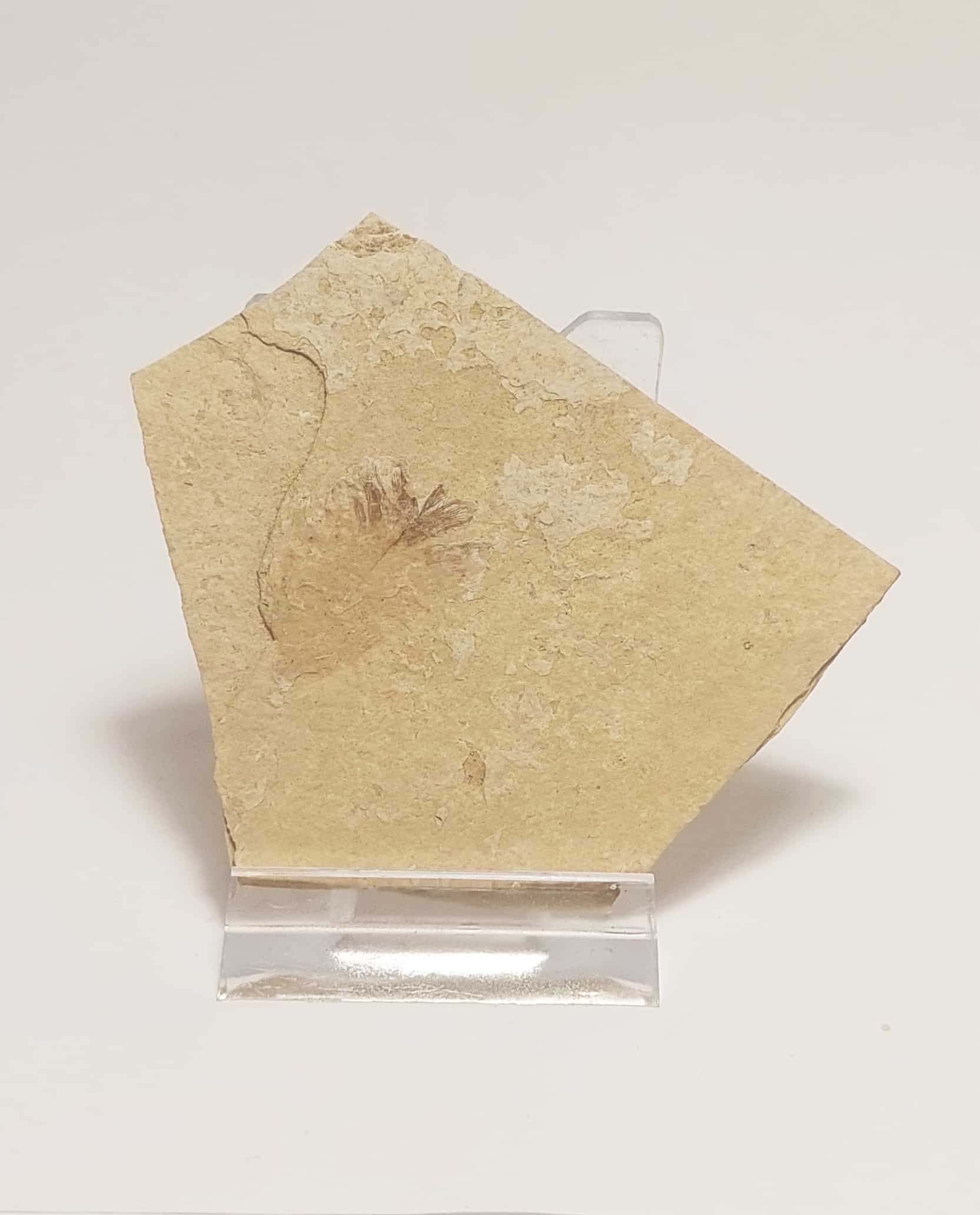
Birds are a group of warm-blooded vertebrates that first appeared in the Jurassic period, about 150 million years ago, and are still alive today. They evolved from theropod dinosaurs and are considered the only living dinosaurs, with their closest living relatives being the crocodilians. The main characteristics of birds include the presence of feathers, the laying of hard-shelled eggs, a high metabolic rate, a four-chambered heart, and a lightweight but strong skeleton.
Living birds have toothless beaks, with shapes and sizes adapted to each species’ diet. In the past, there were also birds with teeth, known today from fossils.
Birds have varied diets, often including nectar, fruits, plants, seeds and various small animals, including other birds. Some species temporarily store food in the crop, an enlarged part of the oesophagus. The stomach has a glandular part, which produces digestive juices, and a muscular part, called the gizzard, which helps grind food. Some birds, especially those that eat seeds and other hard foods, swallow small stones or sand that contribute to this process.
Birds are generally social animals. They communicate with visual signals, calls, and songs, and, depending on the species, may engage in group social behaviors such as breeding, hunting, migration, and repelling predators. Many bird species transmit knowledge across generations, which is considered a form of culture. Birds produce offspring by laying eggs that are fertilized through sexual reproduction. The eggs are usually laid in a nest and incubated by the parents, and most birds have a long period of parental care after hatching.














Reviews
There are no reviews yet.