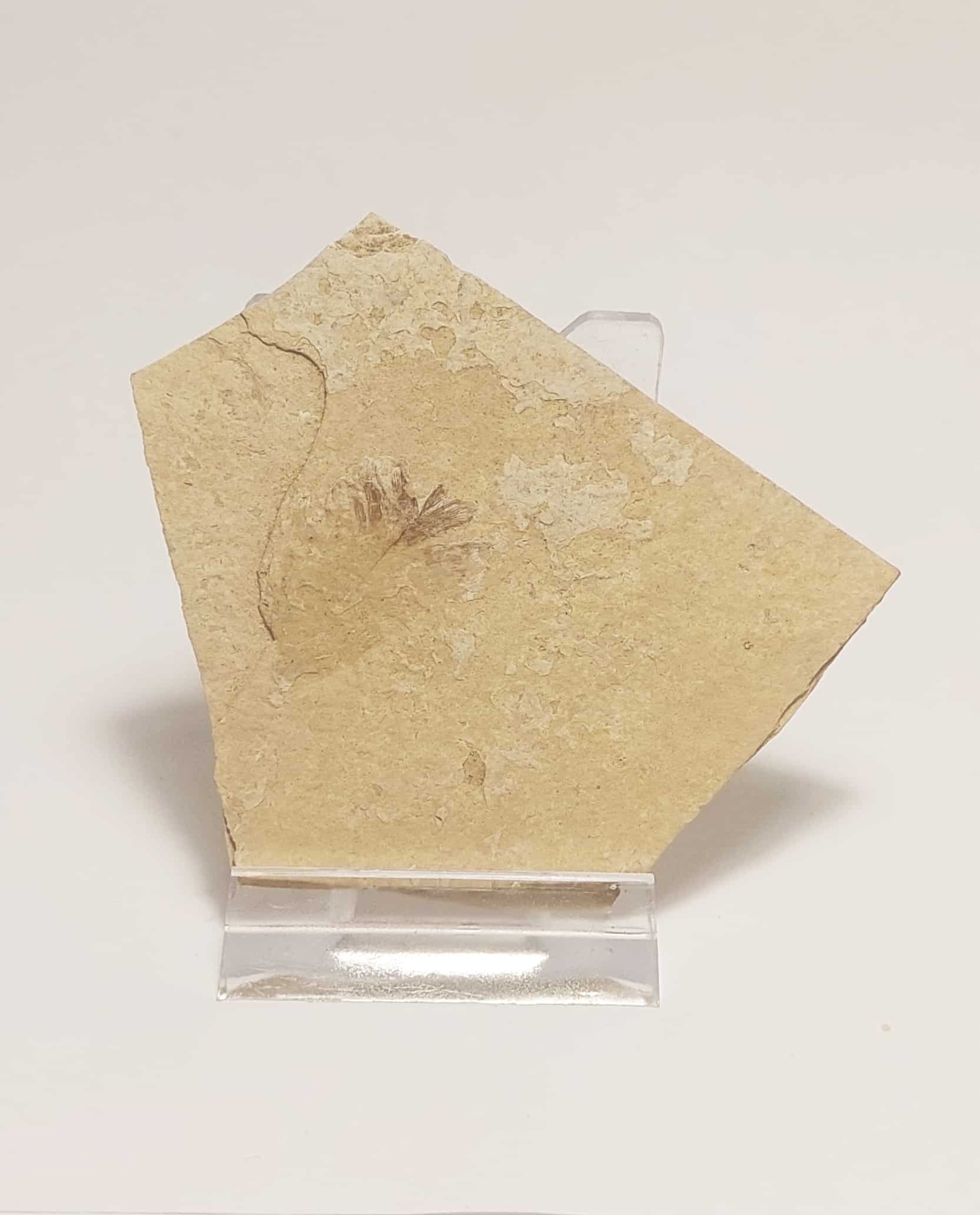


Description
Birds are a group of warm-blooded vertebrates that first appeared in the Jurassic period, approximately 150 million years ago, and are still alive today. They evolved from theropod dinosaurs and are considered the only living dinosaurs, with their closest modern relatives being crocodilians. Key characteristics of birds include the presence of feathers, toothless beaked jaws, laying hard-shelled eggs, a high metabolic rate, a four-chambered heart, and a lightweight yet strong skeleton.
The diet of birds is varied and often includes nectar, fruit, plants, seeds, and various small animals, including other birds. The digestive system of birds is unique, featuring a crop for storage as well as a gizzard containing swallowed stones for grinding food, compensating for the lack of teeth.
Birds are generally social animals. They communicate through visual signals, calls, and songs, and depending on the species, may participate in group social behaviors such as breeding, hunting, migration, and mobbing predators. Many bird species pass knowledge down across generations, which is considered a form of culture. Birds produce offspring by laying eggs that are fertilized through sexual reproduction. Eggs are usually laid in a nest and incubated by the parents, and most birds have an extended period of parental care after hatching.
















Reviews
There are no reviews yet.