Out of Stock

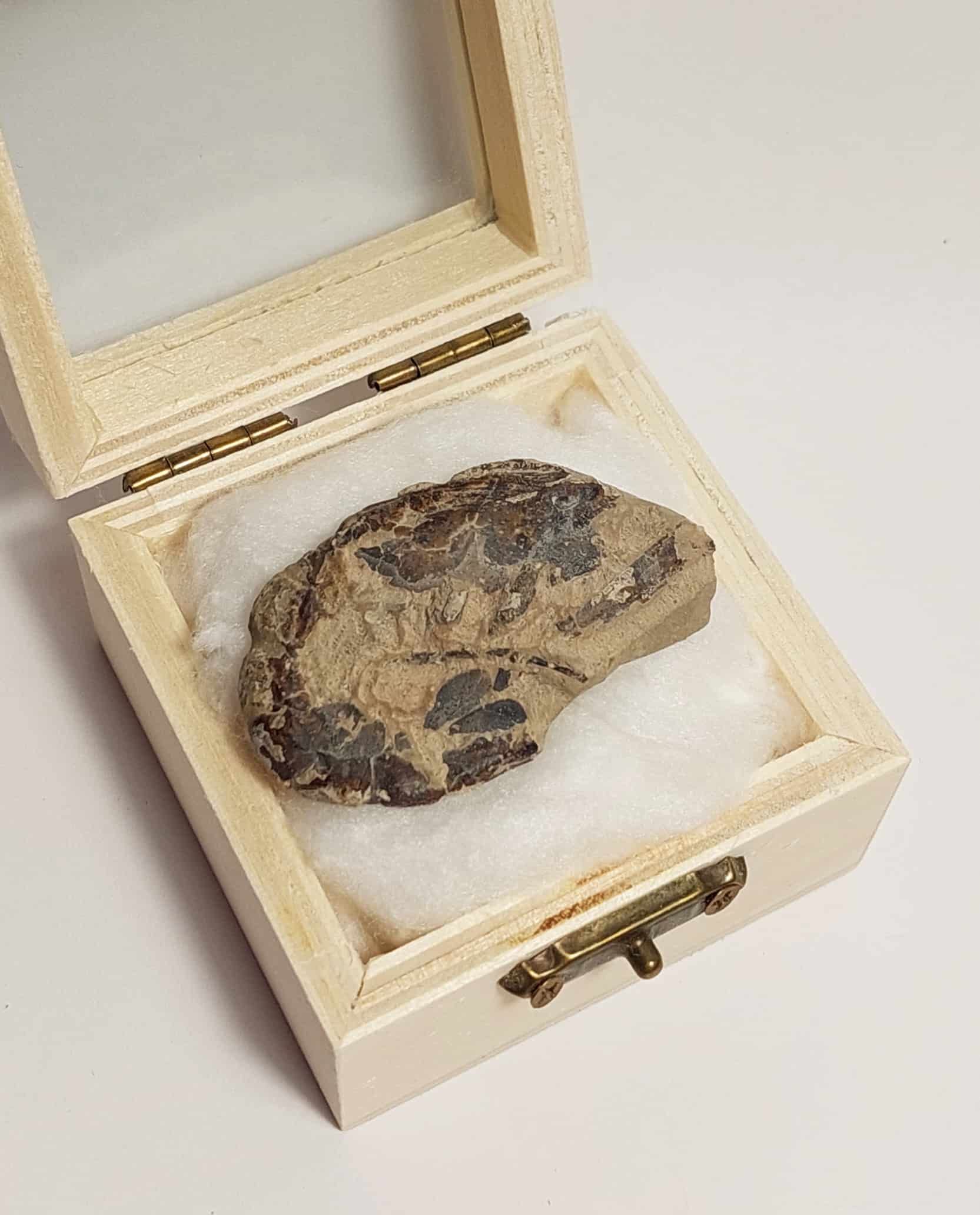
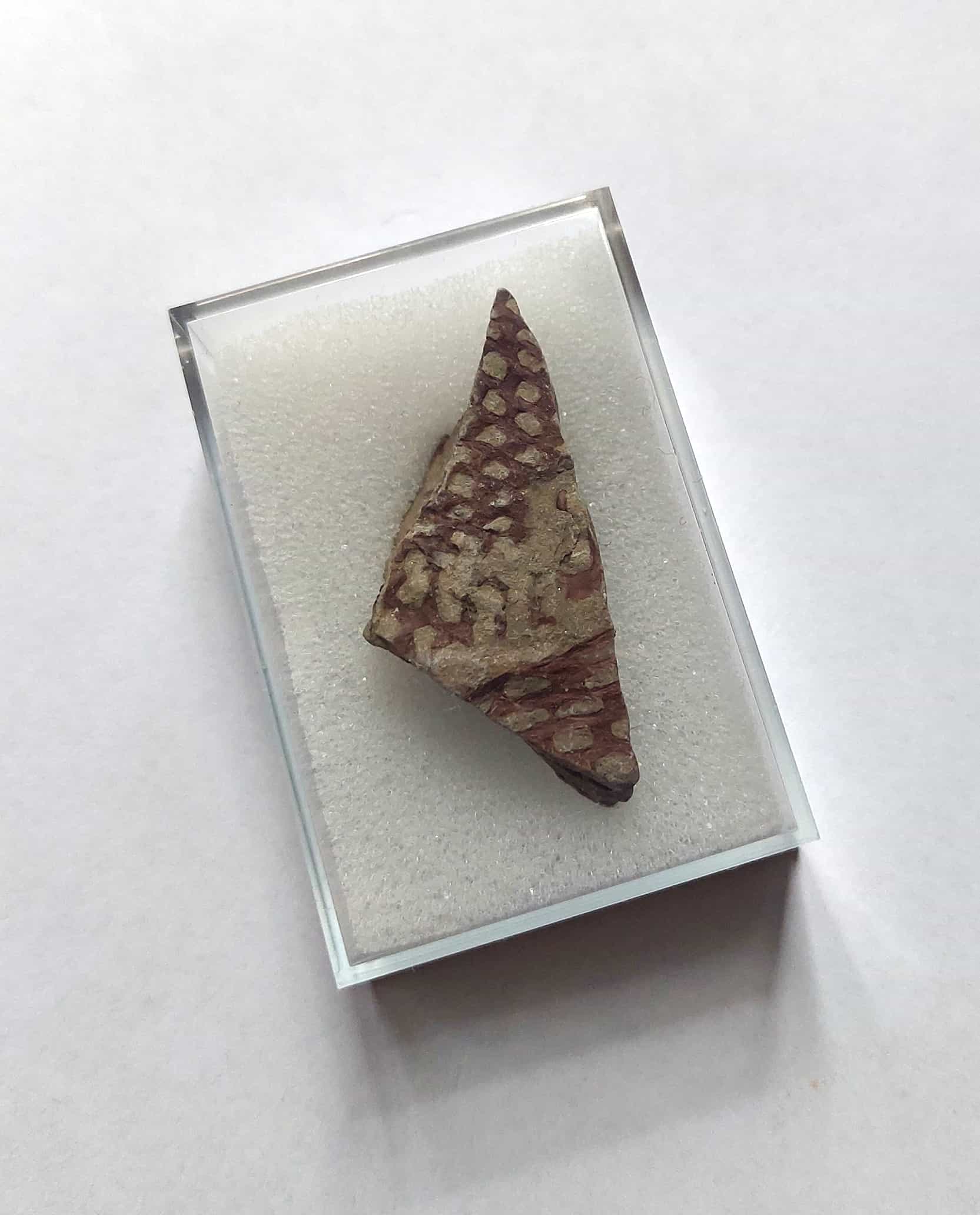
Authentic fossilized Araneograptus murrayi graptolites, 4.5 cm length, 480 million years old, Ordovician, Morocco

RON 34,99

Authentic specimen of genuine fossilized Graptolites Araneograptus murrayi, approximately 480 million years old, in a plastic box. A perfect gift for paleontology enthusiasts!

Due to its age, the specimen may have imperfections and repaired areas (glued sections) that are perfectly normal and inevitable for such an old fossil, but it is, overall, in good condition. We invite you to carefully study the product photos to identify the natural imperfections and any possible repairs to the specimen.

Click here for more general information about fossils

Specimen: authentic fossilized graptolites Araneograptus murrayi

Age: approximately 480 million years ago, Ordovician period

Dimensions: approximately 4.5 cm long (Please take a look at the photo in which the specimen is placed next to the ruler/in the hand to give you an idea of its size)

Country of origin: Fezouta, Zagora, Morocco

The product consists of a single authentic fossilized graptolite specimen Araneograptus murrayi, in a plastic box – the one in the pictures above. The product comes with a brochure containing specific geological and paleontological information.

Out of stock

Description

Graptolites were colonial marine animals that lived in colonies made up of an interconnected system of tubes. They lived between the Cambrian and Carboniferous periods, from about 520 million years ago to about 350 million years ago.

The first graptolites lived on the sea floor, attached to boulders or forming vertical cones rooted in soft mud. This is still the lifestyle of the living relatives of graptolites. At the beginning of the Ordovician period, graptolites became buoyant. They were among the first animals to colonize the open sea and were able to exploit the enormous untapped reserves of food (single-celled organisms) in the upper layers of the oceans. Various species quickly evolved to exploit these reserves of food and in response to the new challenge of a floating life.

Graptolite fossils appear as thin, often shiny marks on rock surfaces that look like pencil marks, and their name comes from the Greek for "writing in rocks." They are the remains of intricate colonies, some of which housed up to 5,000 individual animals; these individuals lived in a collagen skeleton, similar to the material that human fingernails are made of.

Illustration of the structure of graptolites
Illustration of the structure of graptolites Didymograptus – © UKRI via British Geological Survey  – the image has a strictly illustrative role and is not part of the product

Reviews

There are no reviews yet.

Be the first to review “Graptoliți fosilizați autentici Araneograptus murrayi, 4,5 cm lungime, 480 mil ani, Ordovician, Maroc”

Your email address will not be published. Required fields are marked *


Fossil jewelry

0
0
Your Cart
Your basket is empty