Out of Stock

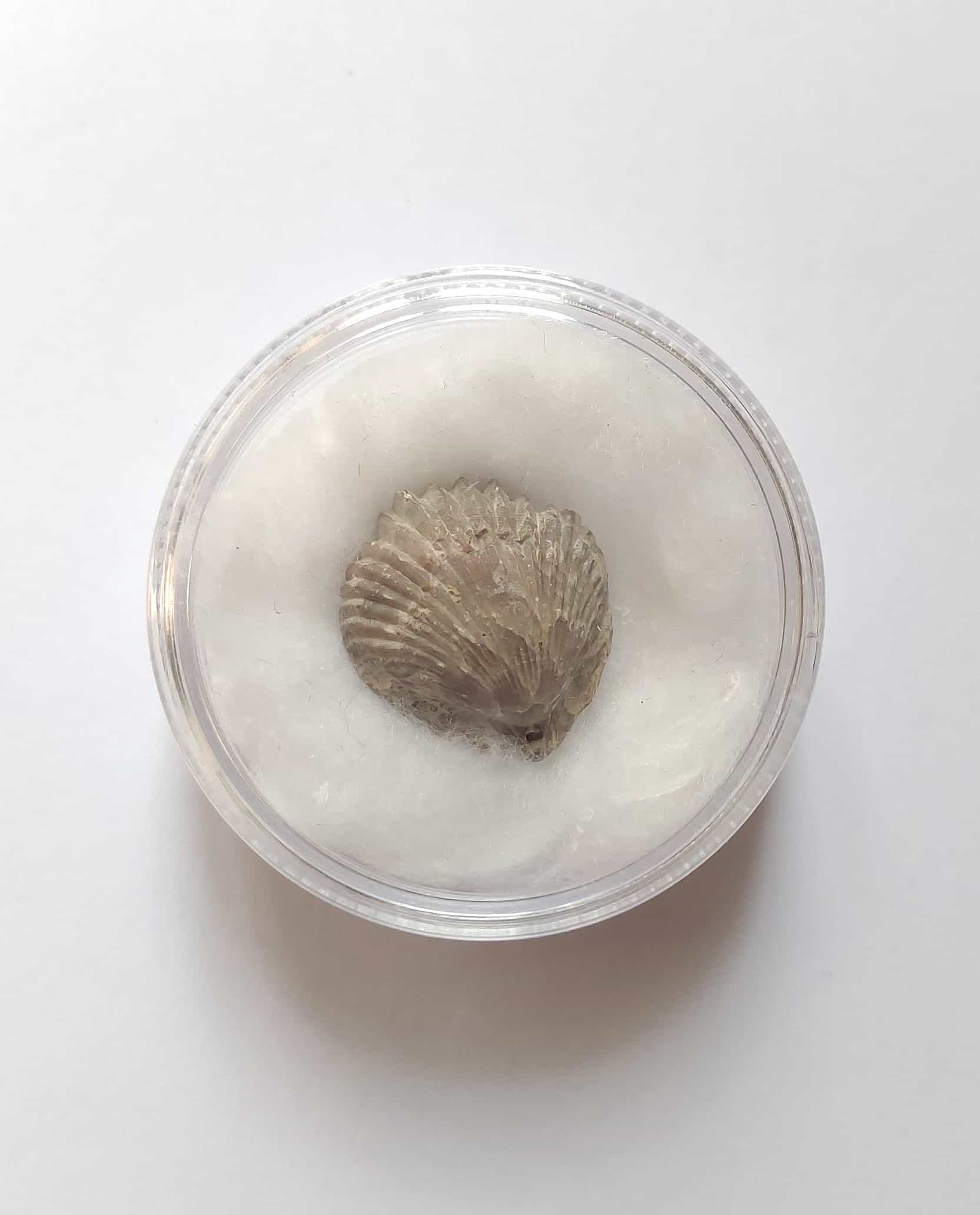
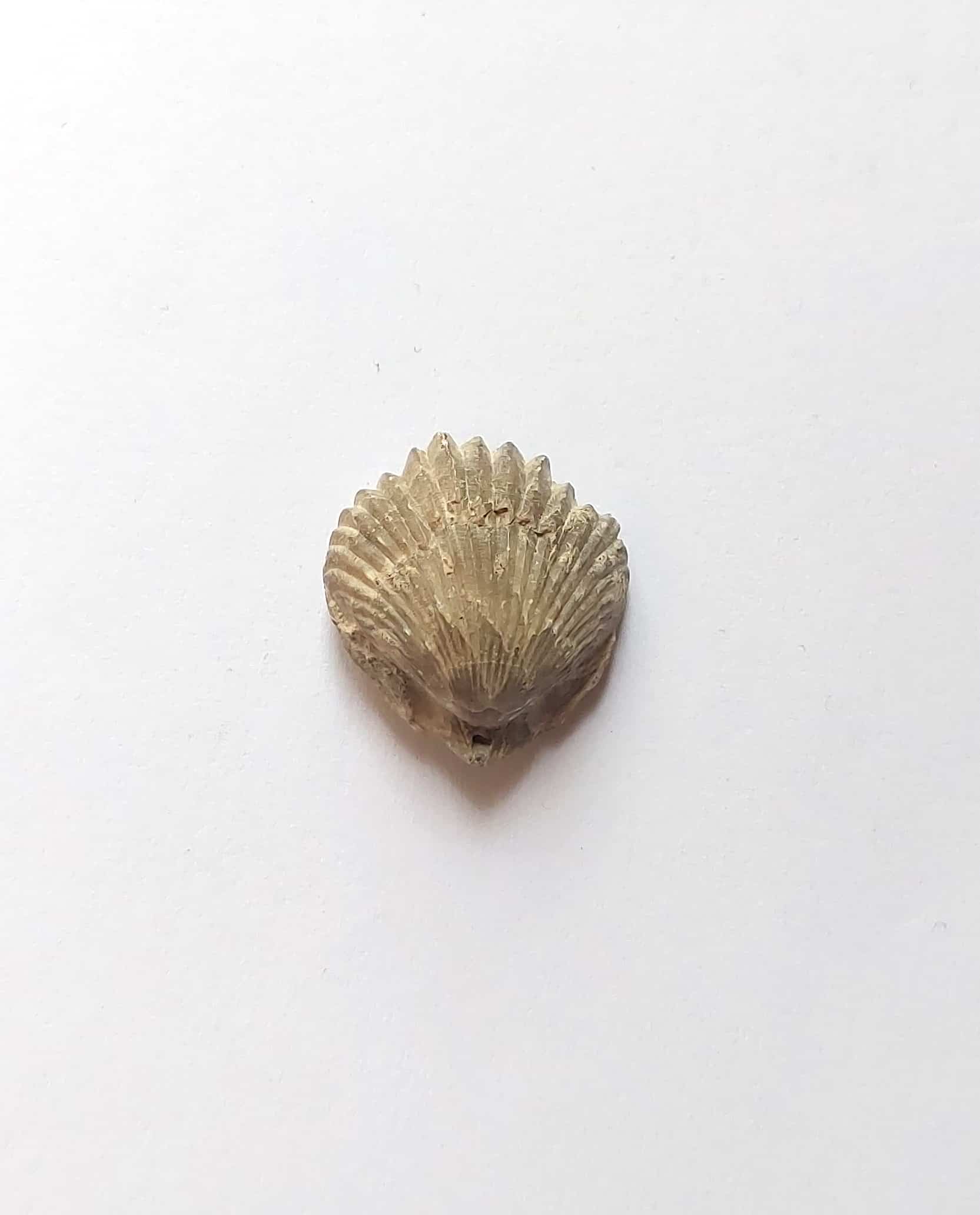
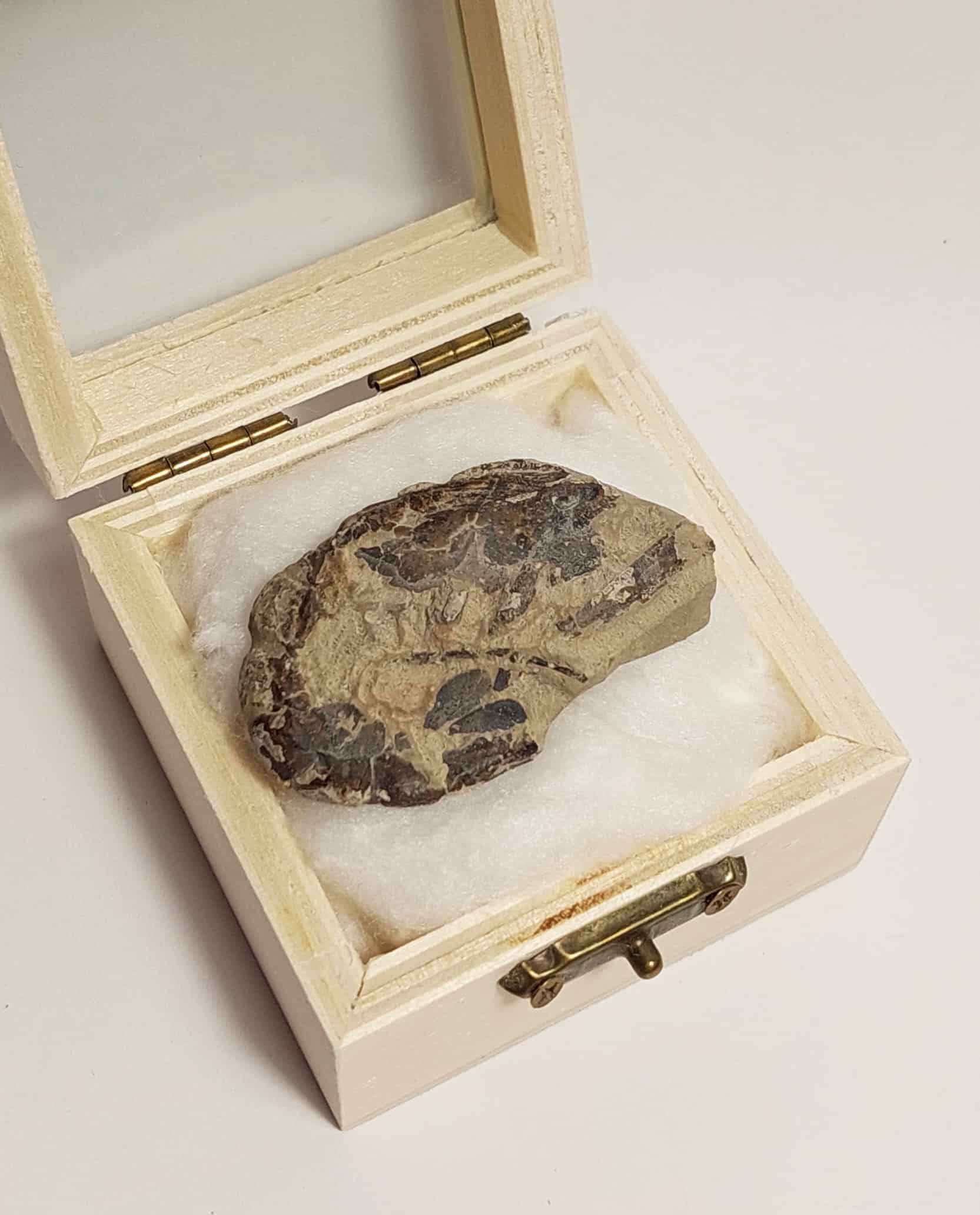
Authentic fossilized Atherfieldastacus magnus lobster · 4.8 cm length

120 million years old · Cretaceous · United Kingdom

RON 49,99

Authentic fossilized lobster from the United Kingdom, species Atherfieldastacus magnus (also known as Mecochirus magna or Meyeria magna), approximately 120 million years old, in a wooden box with a transparent lid. An interesting fossil, contemporary with dinosaurs! An excellent gift for any dinosaur or paleontology enthusiast!

Due to its age and local extraction methods, the specimen may have imperfections and repaired areas (glued sections) which are perfectly normal and often unavoidable. We invite you to carefully study the product photos to identify natural imperfections and possible repairs of the specimen.

Click here for more general information about fossils

Specimen: authentic fossilized lobster (species Atherfieldastacus magnus, also known as Mecochirus magna or Meyeria magna)

Age: approximately 120 million years old, Cretaceous period

Dimensions: approximately 4.8 cm length (please see the photo showing the specimen next to a ruler or held in a hand to get an idea of its size)

Country of origin: Isle of Wight, United Kingdom

The product consists of a single authentic fossilized lobster Atherfieldastacus magnus in a wooden box with a transparent lid, the one in the pictures above, and comes with a brochure containing specific geological and paleontological information.

Out of stock

Description

Atherfieldastacus magnus was an extinct marine crustacean of the family Mecochiridae, known from Early Cretaceous deposits on the Isle of Wight, UK. Its elongated body and segmented abdomen give it the recognizable appearance of a lobster. The fossil preserves details of its protective shell, giving us a picture of the crustaceans that lived in the seas of the time of the dinosaurs.

Lobsters living today provide a reference point for understanding this body shape. They are decapod crustaceans, with five pairs of legs, a muscular abdomen and a hard outer shell. To grow, they molt, periodically replacing this shell. Species such as European and American lobsters shelter in crevices or burrows and often search for food at night.

Their diet is varied: they can capture mollusks, worms, other crustaceans, and fish, but they can also consume animal remains or plant material. Pincers help them catch and crush their food. The fluid that circulates through their bodies, called hemolymph, contains hemocyanin, a protein that transports oxygen and turns a bluish color when oxygenated. This information describes modern lobsters; the exact diet and physiology of the fossil species cannot be determined from their resemblance to them alone.

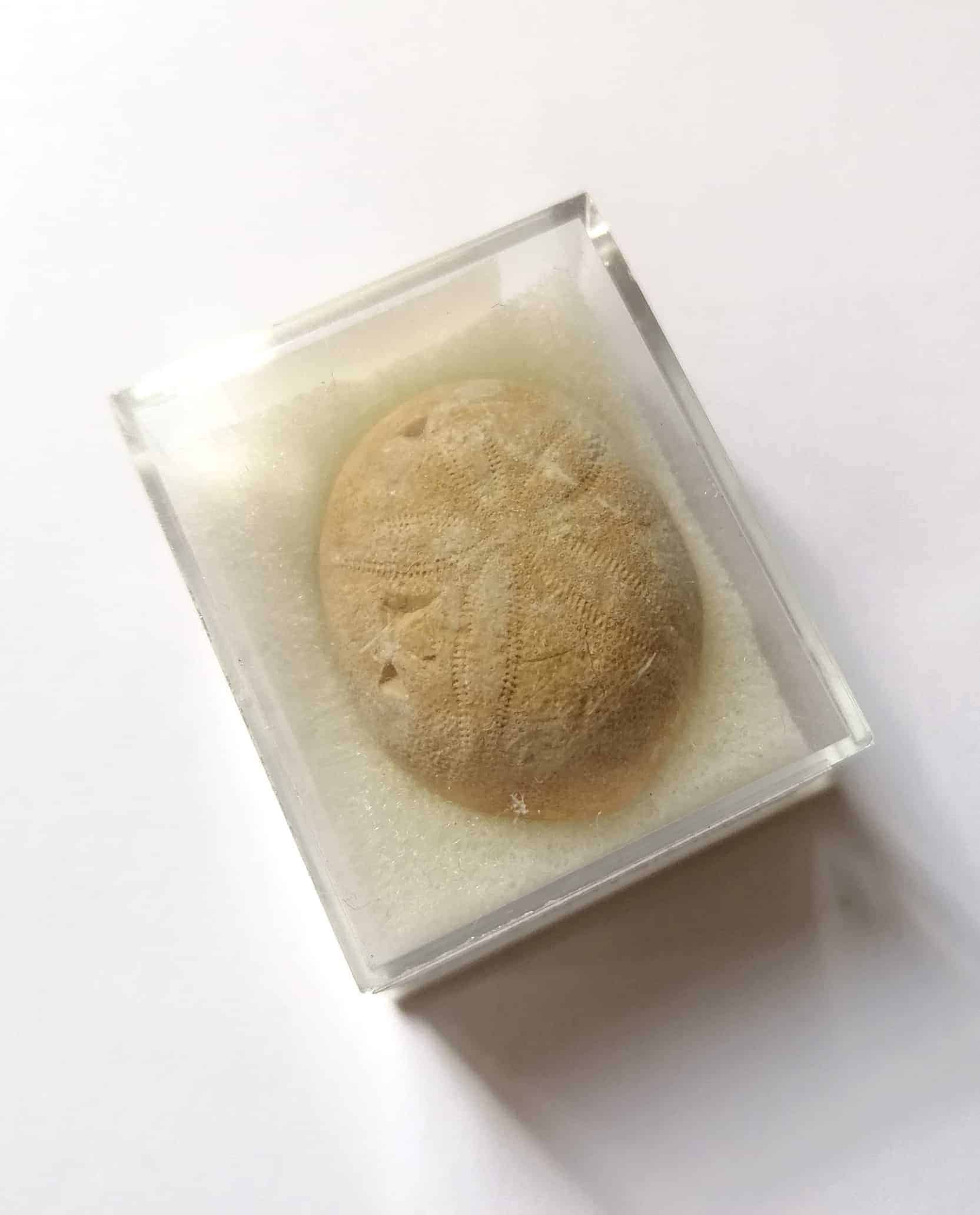
Modern European lobster
Modern European Lobster - author Bart Braun, Wikipedia – the image has a strictly illustrative role and is not part of the product

Reviews

There are no reviews yet.

Be the first to review “Homar fosilizat autentic Atherfieldastacus magnus, 4,8 cm lungime, 120 mil ani, Cretacic, Marea Britanie”

Your email address will not be published. Required fields are marked *


Fossil jewelry

0
0
Your Cart
Your basket is empty