Out of Stock

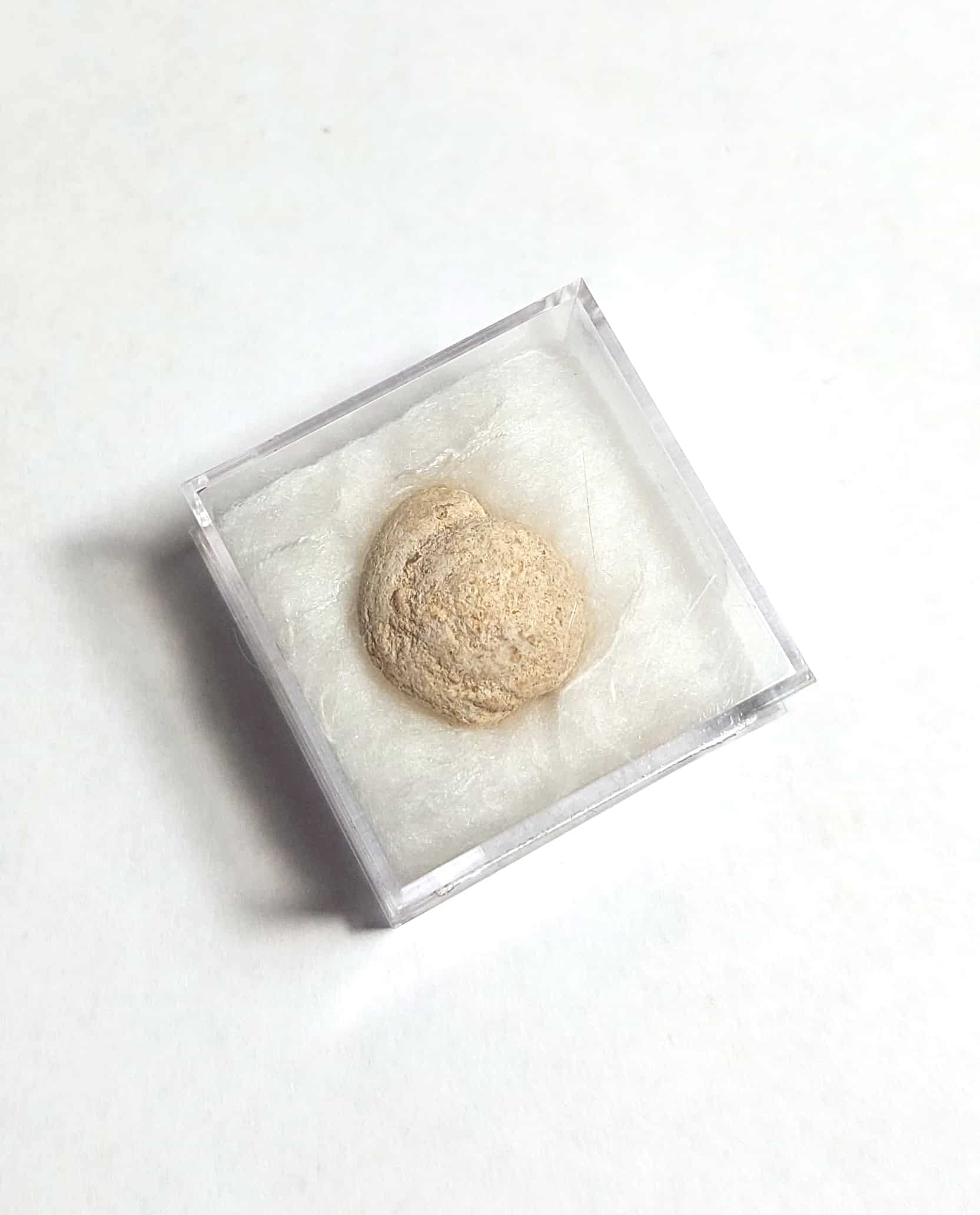
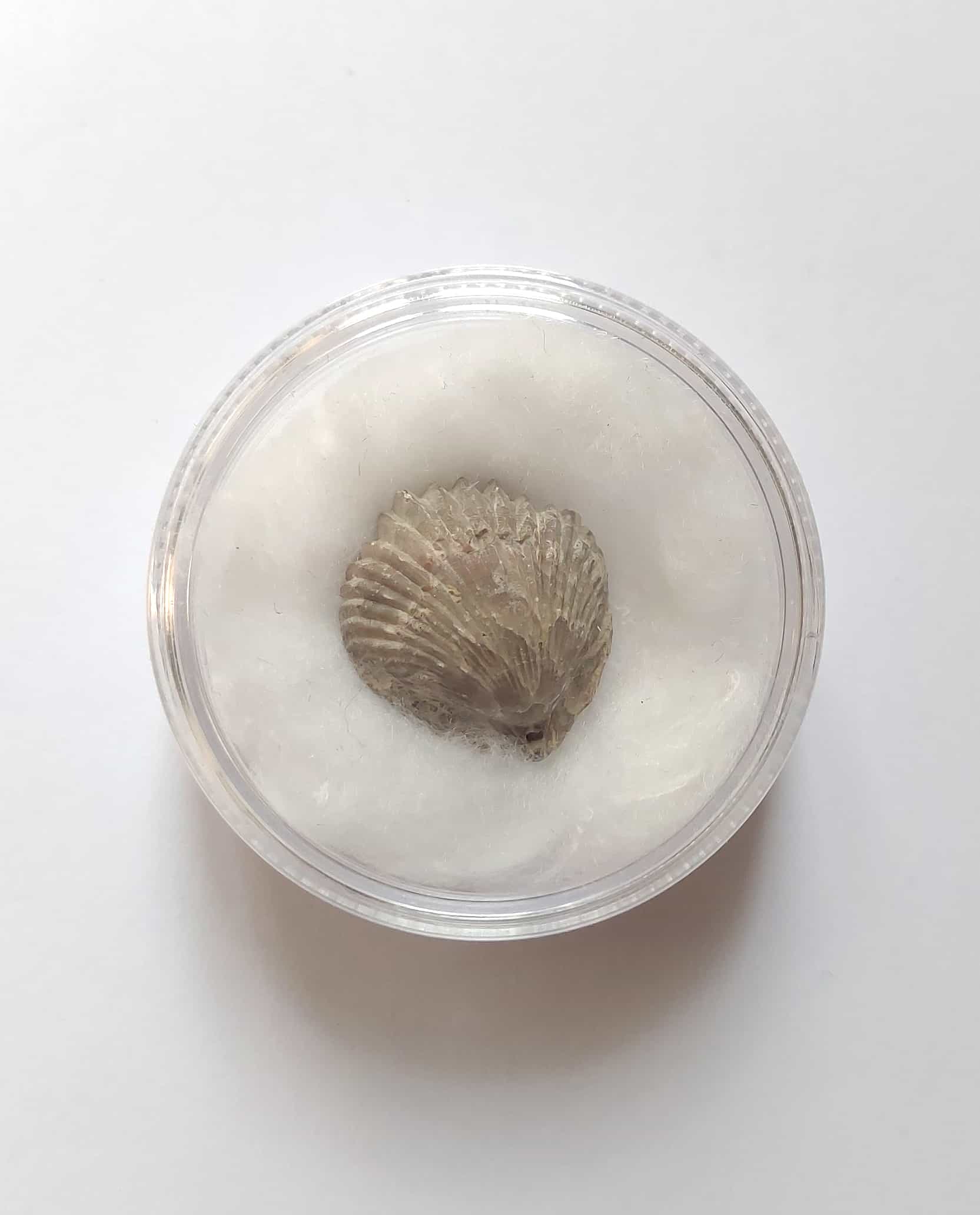
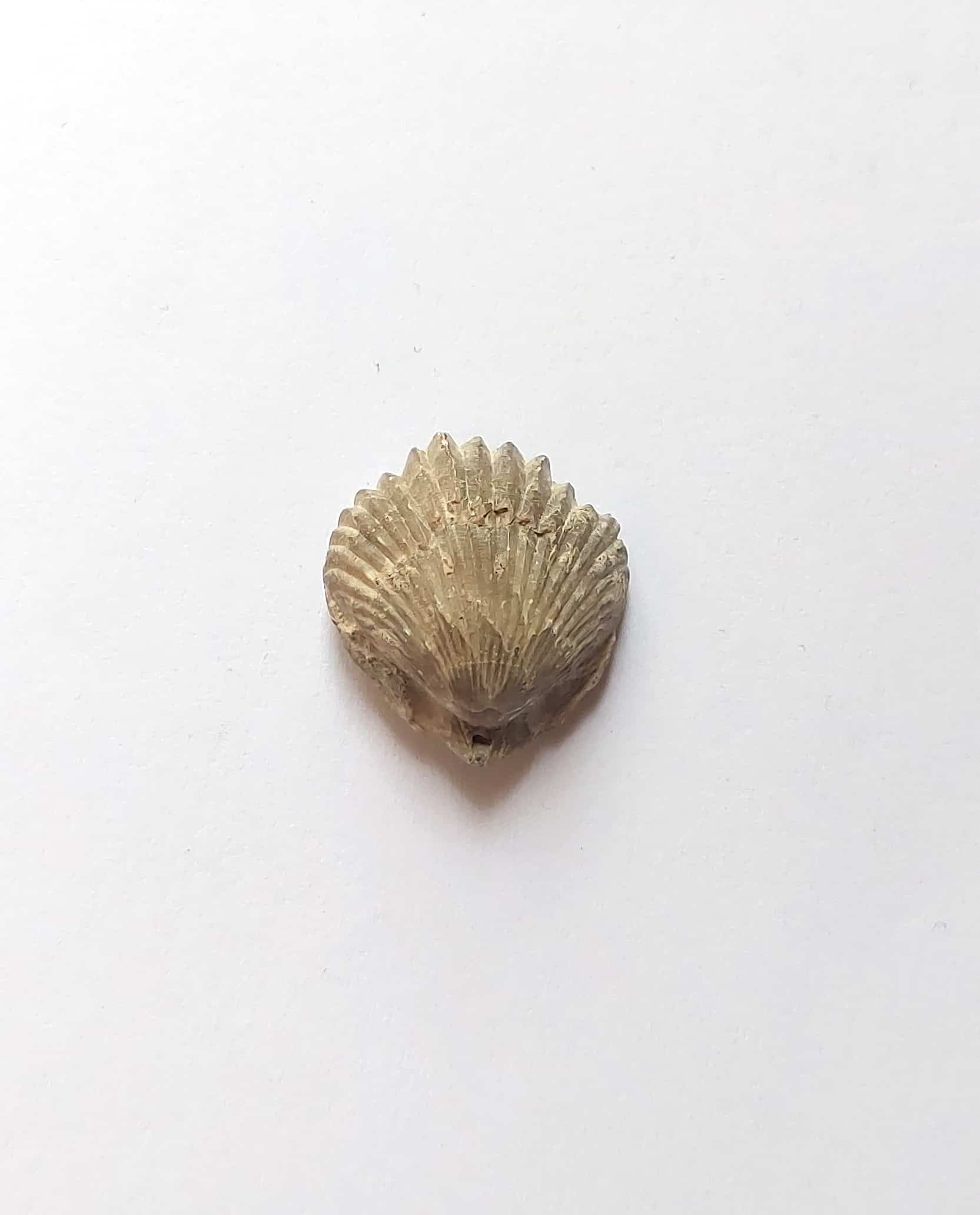
Authentic fossilized Rhynchonella sp. brachiopod, 2.3 cm diameter, 170 million years old, Jurassic, France

RON 14,99

Authentic fossilized brachiopod specimen from France, species Rhynchonella sp., approximately 170 million years old, in a plastic box. An interesting fossil, contemporary with dinosaurs, perfect for any collector or paleontology enthusiast!

Due to its age, the specimen may have imperfections and repaired areas (glued sections) that are perfectly normal and inevitable for such an old fossil, but it is, overall, in good condition. We invite you to carefully study the product photos to identify the natural imperfections and any possible repairs to the specimen.

Click here for more general information about fossils

Specimen: authentic fossilized brachiopod, species Rhynchonella sp.

Age: approximately 170 million years ago, Jurassic period

Specimen dimensions: approximately 2.3 cm diameter (Please take a look at the photo in which the specimen is placed next to the ruler/in the hand to give you an idea of its size)

Country of origin: Ranville, France

The product consists of a single authentic fossilized brachiopod specimen, species Rhynchonella sp., in a plastic box, the one in the pictures above. It comes with a brochure containing specific geological and paleontological information.

Out of stock

Description

Brachiopods are a class of marine invertebrates with a shell made up of two asymmetrical halves and two arms on the sides of the mouth. Brachiopods have a very long history of life on Earth, at least 550 million years. They first appear as fossils in rocks from the earliest Cambrian period, and their descendants survive, although relatively rarely, in the oceans and seas of today. They were particularly abundant during the Paleozoic (248–545 million years ago) and are often the most common fossils in rocks from that period.

Although relatively rare, modern brachiopods occupy a variety of seafloor habitats, from the tropics to the cold waters of the Arctic and, especially, Antarctica. Unlike bivalves, they are found only in marine environments and have shells made up of two asymmetrical halves.

Brachiopods are virtually defenseless, and their shell, which encloses the animal's organs, is the only protection against predators. Most are permanently attached by a fleshy stalk (pedicle) to a hard surface on the sea floor and are unable to actively pursue food. A few species can attach directly to soft sediment, while others remain unattached. The opening and closing of the shell allows food-carrying currents to pass through it, which the animal then filters for food.

Modern brachiopod Terebratalia transversa – author Marilynne Box, Wikipedia – the image has a strictly illustrative role and is not part of the product

Reviews

There are no reviews yet.

Be the first to review “Brahiopod fosilizat autentic Rhynchonella sp., 2,3 cm diametru, 170 mil ani, Jurasic, Franța”

Your email address will not be published. Required fields are marked *


Fossil jewelry

0
0
Your Cart
Your basket is empty