


Description
The Megalodon shark (Otodus megalodon, formerly known as Carcharocles megalodon) is an extinct species of shark that lived 23–2.6 million years ago. Its name means "big tooth" and is derived from two Greek words – megas, meaning “large” or “great”, and odoús, which means “tooth”. The shark lived during the Miocene-Pliocene epochs and belonged to the family Otodontidae, having evolved from a shark in the genus Otodus.
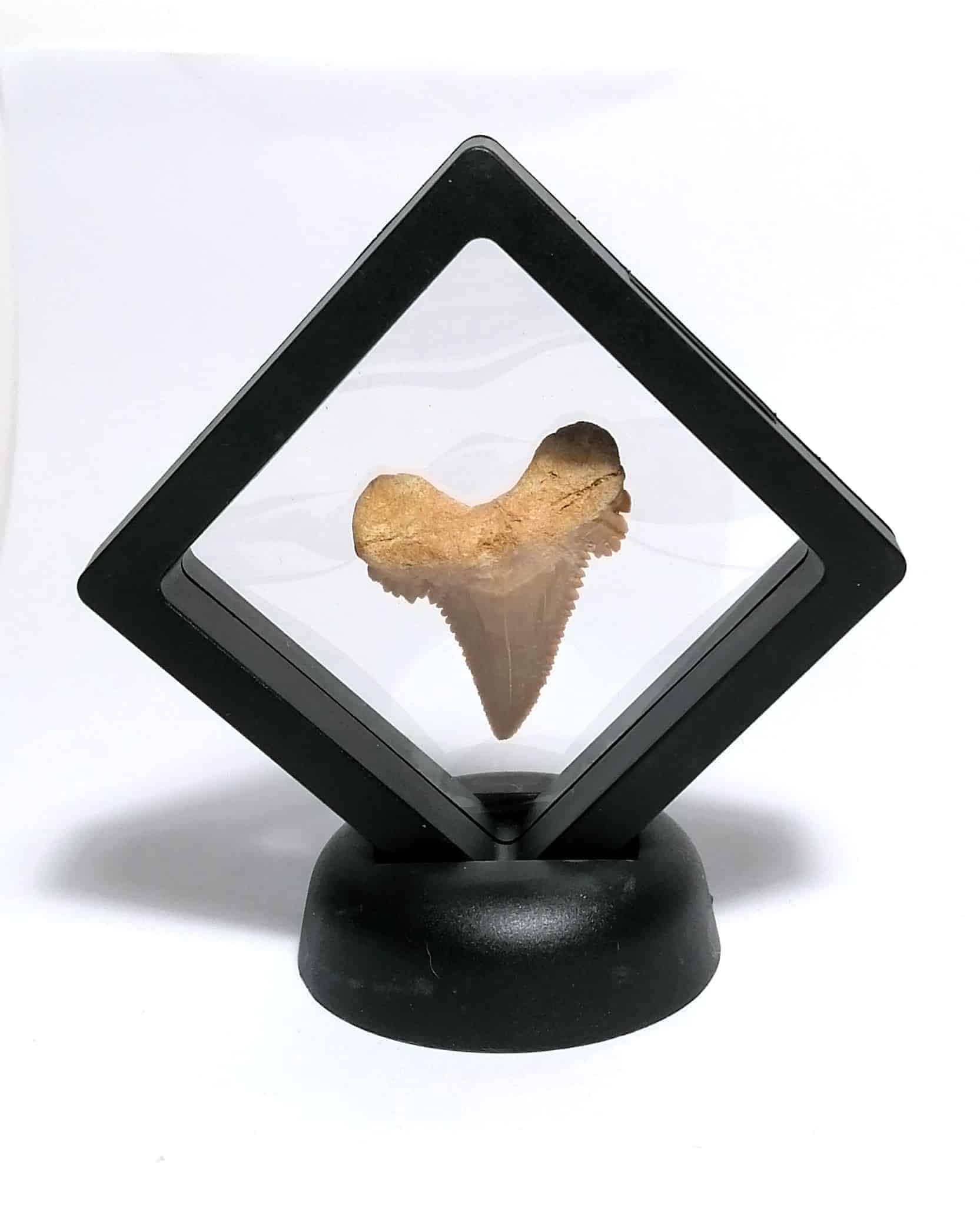
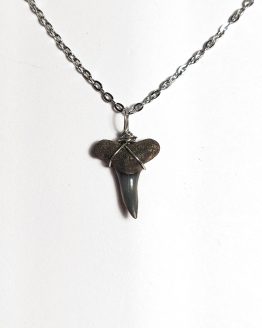
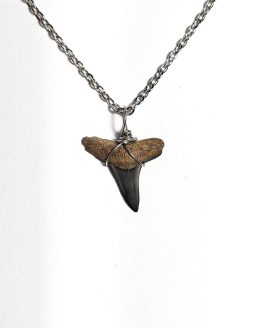
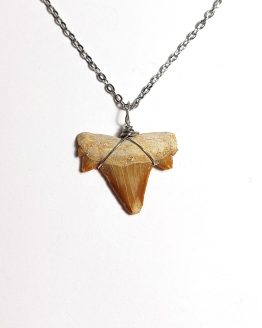
Megalodon is among the best-known sharks because of its enormous size. Researchers suggest that it resembled a larger version of the living great white shark, and its fossil remains indicate a length of up to 18 metres. Its massive jaws could exert a bite force of 110,000–180,000 newtons. The teeth reached 15 cm in length and were thick and robust, adapted for tearing prey and breaking bone.
Because the remains of the species consist mainly of teeth and vertebrae, there has been much speculation over the years about the size of the Megalodon Shark. Initially, it was thought that these sharks could reach 25 meters in length, but the consensus is now 18 meters. A 2015 study correlated the size of modern sharks with their typical swimming speed and estimated that a Megalodon would have swum at a speed of 18 km/h.
The Megalodon shark had a profound impact on the structure of marine communities. Fossilized remains suggest that it hunted large prey, such as whales, seals, and giant turtles. Megalodon juveniles lived in warm coastal waters, where they fed on fish and small whales.





Reviews
There are no reviews yet.