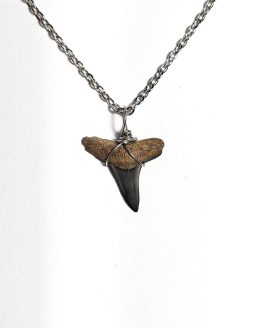
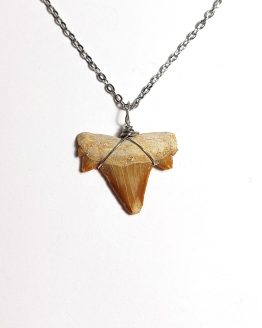
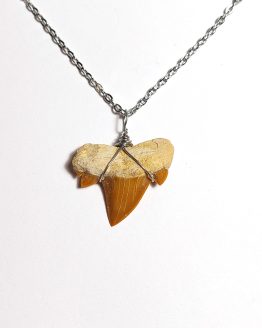
Out of Stock

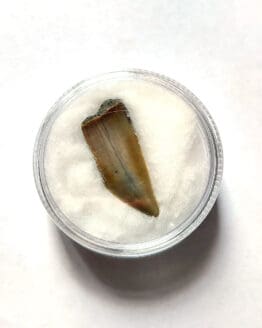
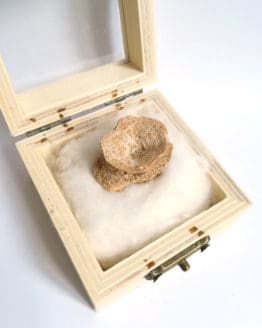
Authentic fossilized Hybodus shark dorsal spine, 11.9 cm length, 100 million years old, Cretaceous, Morocco

RON 149,99

Authentic specimen of a rare fossilized Hybodus shark dorsal spine from Morocco, approximately 100 million years old, with an included display stand. An authentic specimen and an excellent gift for a collector or anyone passionate about sharks or paleontology!

Due to the age of the specimen and the fragmentary nature of the fossil deposits in Morocco, as well as local extraction methods, the specimen may have imperfections and repaired areas (glued sections) which are perfectly normal and unavoidable, but it is, overall, in good condition. We invite you to carefully study the product photos to identify natural imperfections and possible repairs to the specimen.

Click here for more general information about fossils

Specimen: authentic fossilized Hybodus shark dorsal spine

Age: approximately 100 million years old, Cretaceous period

Dimensions: approximately 11.9 cm long (Please take a look at the photo where the specimen is placed next to the ruler/in the hand to get an idea of its size)

Country of origin: Kem Kem, Morocco

The product consists of a single authentic fossilized Hybodus shark dorsal spine with an included display stand, the one shown in the photos above, and comes accompanied by a booklet containing specific geological and paleontological information.

Out of stock

Description

The Hybodus shark is an extinct genus of shark that first appeared toward the end of the Permian period, approximately 270 million years ago, and went extinct during the Late Cretaceous period, about 75 million years ago. This shark was extremely widespread and could be found in seas across nearly the entire world.

Hybodus shark species could reach up to approximately 2 meters in length and are believed to have been opportunistic predators. Although it did not reach very large sizes, Hybodus possessed the classic streamlined shark shape, complete with two dorsal fins that helped it maneuver with precision through the water.

However, it also had a number of distinct features that set it apart from other sharks. First, it had two different types of teeth, indicating a varied diet. The sharper teeth would have been used to catch slippery prey, while the flatter teeth probably helped it crush crustaceans.

Another distinct feature was the bony ridges on its dorsal fins that looked like spines, which likely served a defensive function.

Hybodus shark illustration
Illustration of a Hybodus shark – author Nobu Tamura, Wikipedia – image is strictly illustrative and is not part of the product

Reviews

There are no reviews yet.

Be the first to review “Spin dorsal fosilizat autentic de rechin Hybodus, 11,9 cm lungime, 100 mil ani, Cretacic, Maroc”

Your email address will not be published. Required fields are marked *


Fossil jewelry

0
0
Your Cart
Your basket is empty