Out of Stock

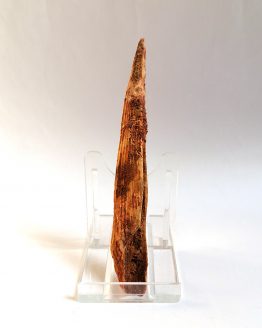
Authentic fossilized mammal molar (unidentified species), 4.9 cm long, 1,000–10,000 years old, Holocene, Netherlands

RON 59,99

Authentic fossilized mammal molar (unidentified species) from the Netherlands, approximately 1,000 – 10,000 years old, in a plastic display box. An excellent gift for a collector or any paleontology enthusiast!

Due to the age of the specimen and the fragmentary nature of fossil deposits in the Netherlands, as well as local extraction methods, the specimen may have imperfections and repaired areas (glued sections) that are perfectly normal and inevitable, but it is, overall, in good condition. We invite you to carefully study the product photos to identify the natural imperfections and any possible repairs to the specimen.

Click here for more general information about fossils

Specimen: authentic fossilized mammal molar (unidentified species)

Age: approximately 1,000 – 10,000 years old, Holocene epoch

Dimensions: approximately 4.9 cm long large (please look at the picture where the specimen is placed next to the ruler/in the hand to get an idea of its size)

Country of origin: Fluessen, Friesland, Netherlands

The product consists of a single authentic fossilized mammal molar (unidentified species), the exact one shown in the photos above, in a plastic display box.

Out of stock

Description

Mammals represent one of the most diverse and widespread classes of vertebrate animals on Earth, having successfully populated almost every habitat, from the deep oceans to the mountain peaks. The defining feature that gave them their name is the presence of mammary glands in females, used to produce milk, the nutrient-rich substance with which they feed their young during the early stages of life.

These creatures are also remarkable for being warm-blooded, which allows them to maintain a relatively constant body temperature regardless of external environmental fluctuations. Another distinctive feature is the presence of hair or fur, an insulating layer that plays a crucial role in thermoregulation. Mammalian respiration takes place through the lungs, a process facilitated by an essential muscle called the diaphragm.

From the giant blue whale, the largest animal on the planet, to tiny mice, all mammals possess a complex internal bone structure and specialized dentition, perfectly adapted to their diet, whether they are carnivores, herbivores, or omnivores.

Capybara, a modern mammal
Capybara (Hydrochoeris hydrochaeris), a modern mammal – author Greg Hume, Wikipedia – image is strictly for illustrative purposes and is not part of the product

Reviews

There are no reviews yet.

Be the first to review “Molar fosilizat autentic de mamifer (specie neidentificată), 4,9 cm lungime, 1.000 – 10.000 ani, Holocen, Olanda”

Your email address will not be published. Required fields are marked *


Fossil jewelry

0
0
Your Cart
Your basket is empty