Out of Stock

Authentic fossilized Pterosaur tooth · 3.5 cm length

100 million years old · Cretaceous · Morocco

(1 customer review)

RON 349,99

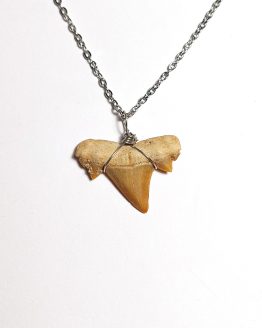
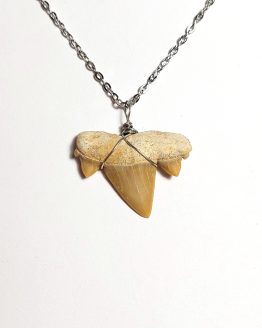
Authentic fossilized Pterosaur tooth specimen (probably Anhanguera sp.) from Taouz, Morocco, approximately 100 million years old. Comes in a wooden box with a transparent lid and is accompanied by a Certificate of authenticity signed by a professional geologist who assessed the specimen. The specimen is very large, pterosaur teeth of this size being extremely rare. An excellent gift for any dinosaur or paleontology enthusiast!

Reptiles have teeth that are replaced many times during their lives. This, combined with the durability of tooth enamel and the long span of time during which these animals existed, helps explain why fossilized mosasaur, plesiosaur and dinosaur teeth are commonly found in various parts of the world.

Due to the age of the specimen, the tooth may have imperfections and repaired areas (glued sections) which are perfectly normal and often unavoidable, but it is, overall, in good condition. We invite you to carefully study the product photos to identify the natural imperfections and possible repairs of the specimen.

Click here for more general information about fossils

Specimen: authentic fossilized Pterosaur tooth (probably Anhanguera sp.)

Age: approximately 100 million years old, Cretaceous period

Dimensions: approximately 3.5 cm length (please see the photo showing the specimen next to a ruler or held in a hand to get an idea of its size)

Country of origin: Taouz, Morocco

The product consists of a single authentic fossilized Pterosaur tooth in a wooden box with a transparent lid, the one in the pictures above, and comes with a brochure containing specific geological and paleontological information, as well as a Certificate of authenticity signed by a professional geologist who examined the specimen.

Out of stock

Description

Pterosaurs were a group of flying reptiles that lived from the late Triassic period, 228 million years ago, to the end of the Cretaceous period, 66 million years ago.

They were the first vertebrates to fly under their own power, before birds. Their wings were made up of membranes of skin, muscles, and other tissues that connected their front and hind limbs, all the way to the ankles.

Pterosaur teeth varied in shape, depending on the species and their diet. In some species, they were long, thin, and slightly curved, suitable for catching fish, while others had more robust teeth or no teeth at all.

Some species had spectacular crests on their heads, which may have played a role in visual communication and attracting mates. Their shape and structure varied between species. Many of the bones of the skeleton were hollow and contained air, helping to reduce body weight and adapt for flight.

The body of some species of pterosaurs was covered with a kind of fur or even with feather-like elements. Pterosaurs fed on marine and terrestrial animals, including insects.

Illustration of the Sordes pterosaur
Pterosaur illustration Sordes – author Dmitry Bogdanov, Wikipedia – the image has a strictly illustrative role and is not part of the product

1 review for Dinte fosilizat autentic de Pterozaur, 3,5 cm lungime, 100 mil ani, Cretacic, Maroc

  1. gaban.doru (verified owner) –

    This order has arrived too 🙂 Once again, everything was carefully and very securely packaged. Since the tooth is thin and was so well wrapped, it took me a while to unpack it :)) I was afraid of breaking it. But everything was fine. Thank you very much for the gift as well. You are the best 🙂

    • Petru Baleanu, Architect –

      We are very happy that you like it and that it arrived safely! 🥰 It's very good that you opened it carefully, pterosaur teeth are really fragile, especially large ones like this one. We hope it brings you joy and we look forward to seeing you again!

Add a review

Your email address will not be published. Required fields are marked *


Fossil jewelry

0
0
Your Cart
Your basket is empty