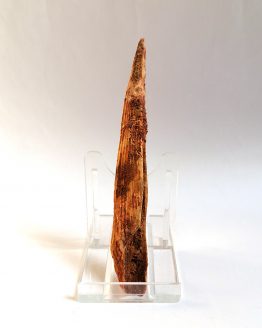
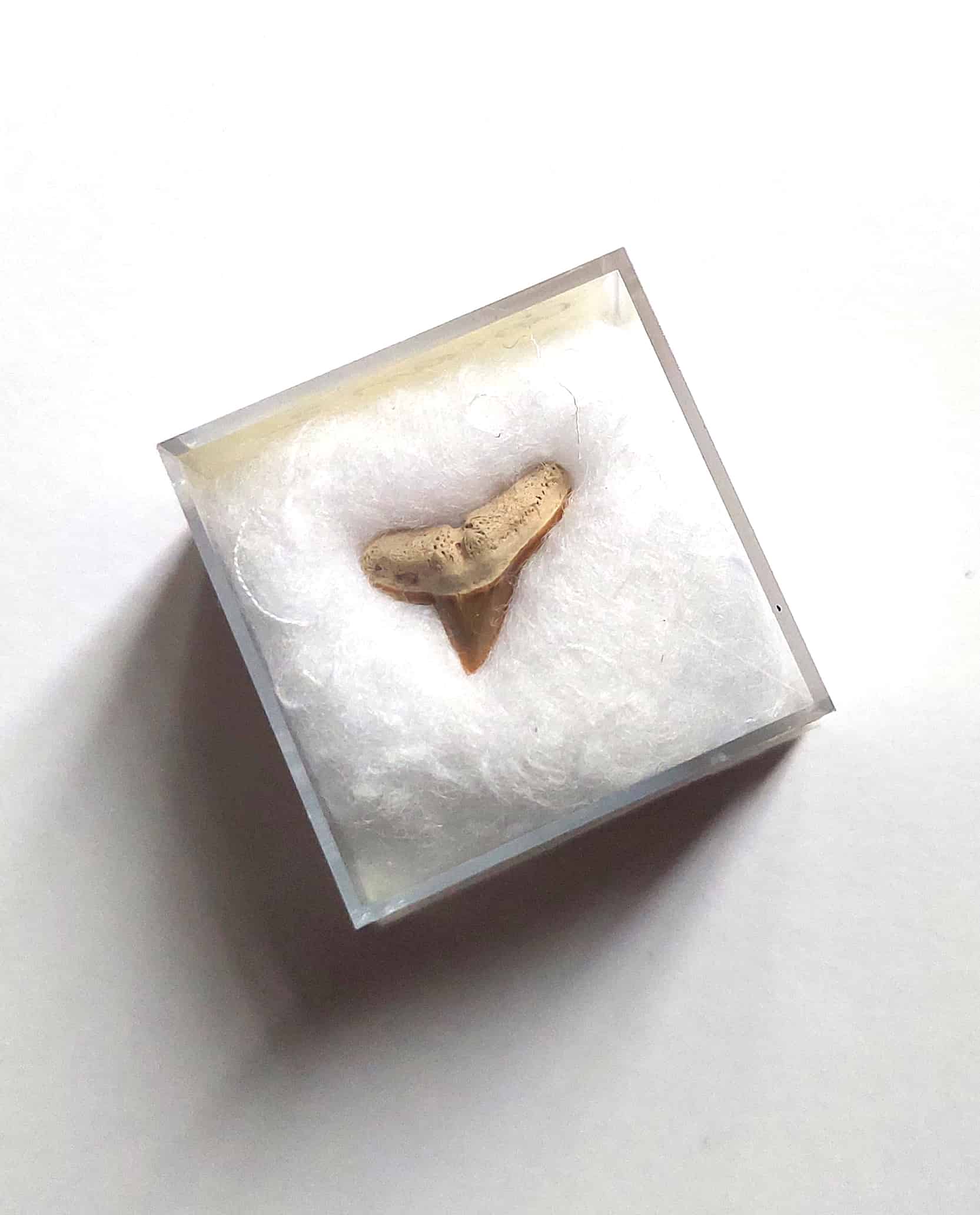
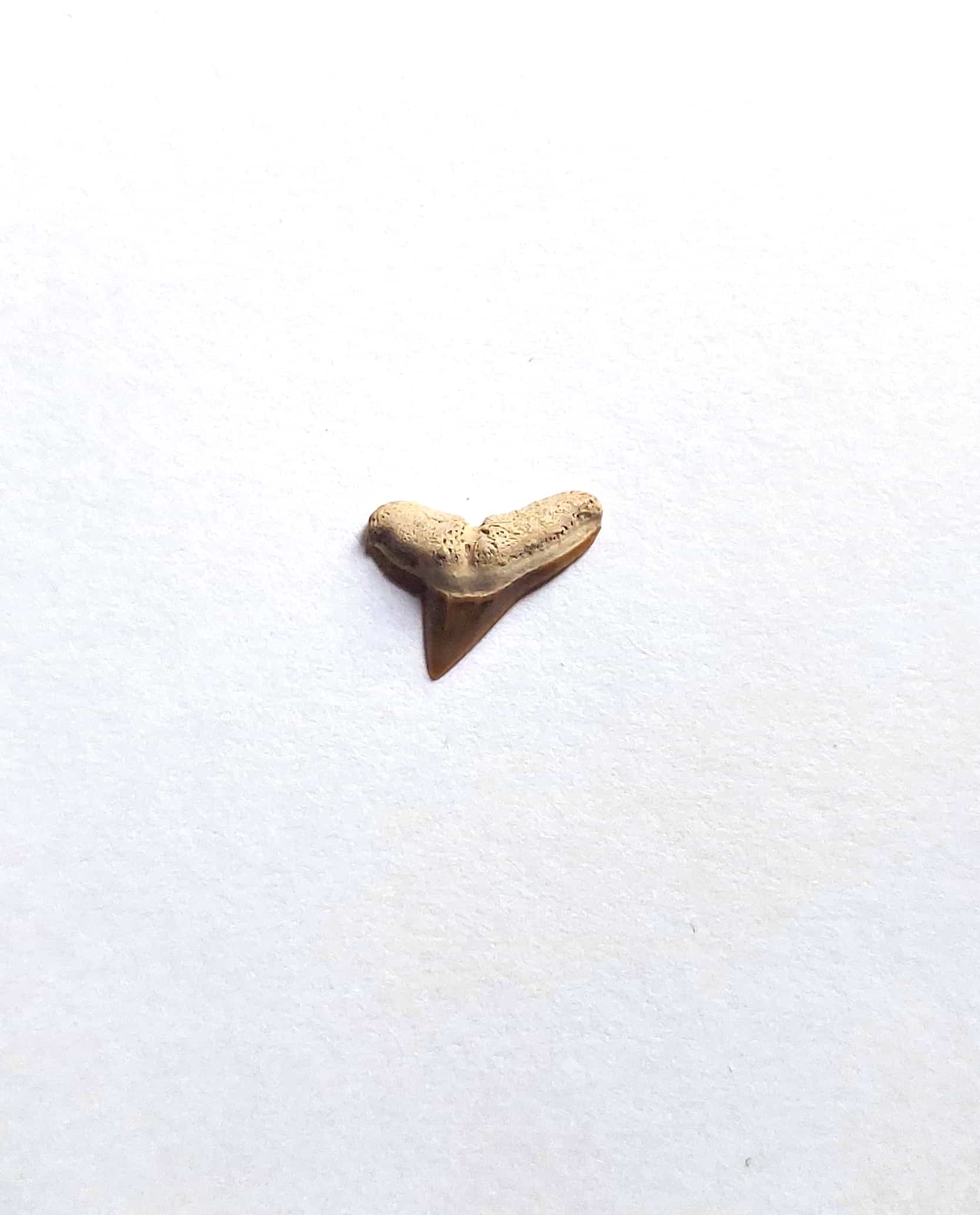
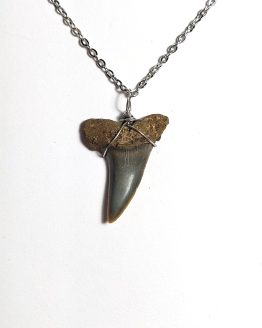
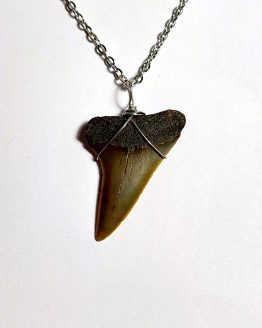
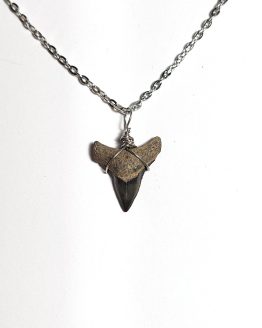
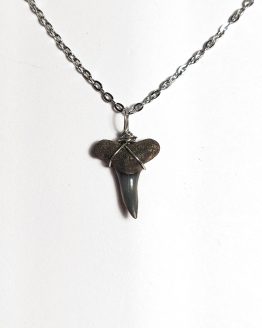
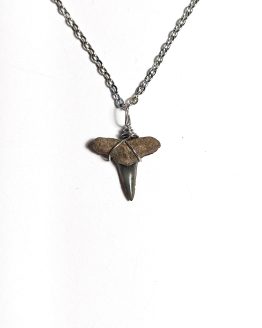
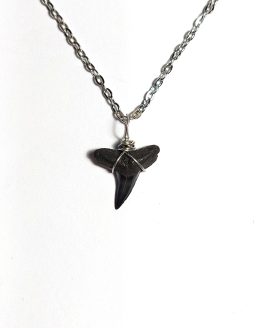
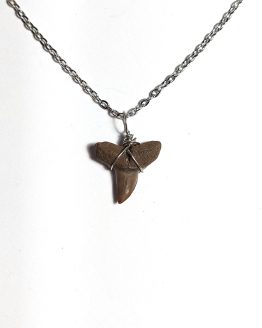
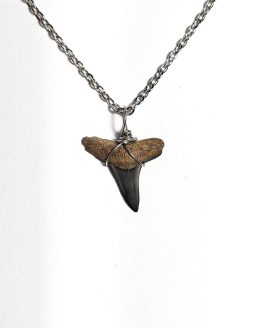
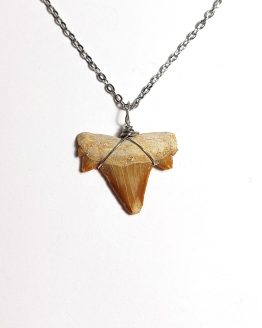
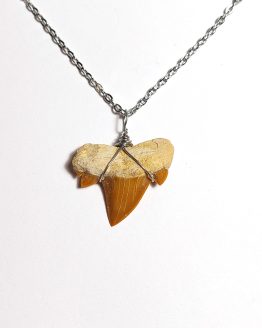
Authentic fossilized Stingray tooth, 2.1 cm long, 50 million years old, Eocene, Morocco

RON 19,99

Authentic fossilized stingray tooth specimen from Morocco, approximately 50 million years old. The specimen consists of a fossilized stingray tooth and comes in a plastic box. An excellent gift for anyone passionate about paleontology!

Due to its age, the specimen may have imperfections and repaired areas (glued sections) that are perfectly normal and inevitable for such an old fossil, but it is, overall, in good condition. We invite you to carefully study the product photos to identify the natural imperfections and any possible repairs to the specimen.

Click here for more general information about fossils

Specimen: authentic fossilized stingray tooth (Myliobatis sp.)

Age: approximately 50 million years old, Eocene epoch

Dimensions: approximately 2.1 cm length (Please take a look at the photo in which the specimen is placed next to the ruler/in the hand to give you an idea of its size)

Country of origin: Khouribga, Morocco

The product consists of an authentic fossilized Stingray tooth – the one shown in the photos above. The product comes in a plastic box and with a booklet containing specific geological and paleontological information.

1 in stock

SKU: pisi49 Category: Tags: , , , , ,

Description

Stingray is a cartilaginous fish related to sharks. The first stingrays appeared during the Jurassic period, approximately 200–145 million years ago, and stingrays still exist today. They prefer shallow waters and spend much of their time buried in sand or mud, with only their eyes, spiracles and tails, which bear venomous spines, visible.

The stingray feeds mainly on small marine creatures, mollusks, and crustaceans, which it digs out of the sand. Larger species also consume dead fish or cuttlefish. The stingray's mouth is located on the ventral side of its head. Using its blunt, wide teeth arranged in multiple rows, it crushes the shell of its prey. While foraging, its coloration provides perfect camouflage in its surroundings, and locomotion is achieved through the undulating motion of its pectoral fins.

Just like sharks, stingrays have changed very little over time and are similar to their prehistoric relatives.

Modern stingray
Modern Stingray – author Derek Keats, Wikipedia – the image is for illustrative purposes only and is not included with the product


Reviews

There are no reviews yet.

Be the first to review “Dinte fosilizat autentic de Pisică de Mare, 2,1 cm lungime, 50 mil ani, Eocen, Maroc”

Your email address will not be published. Required fields are marked *


Fossil jewelry

0
0
Your Cart
Your basket is empty