

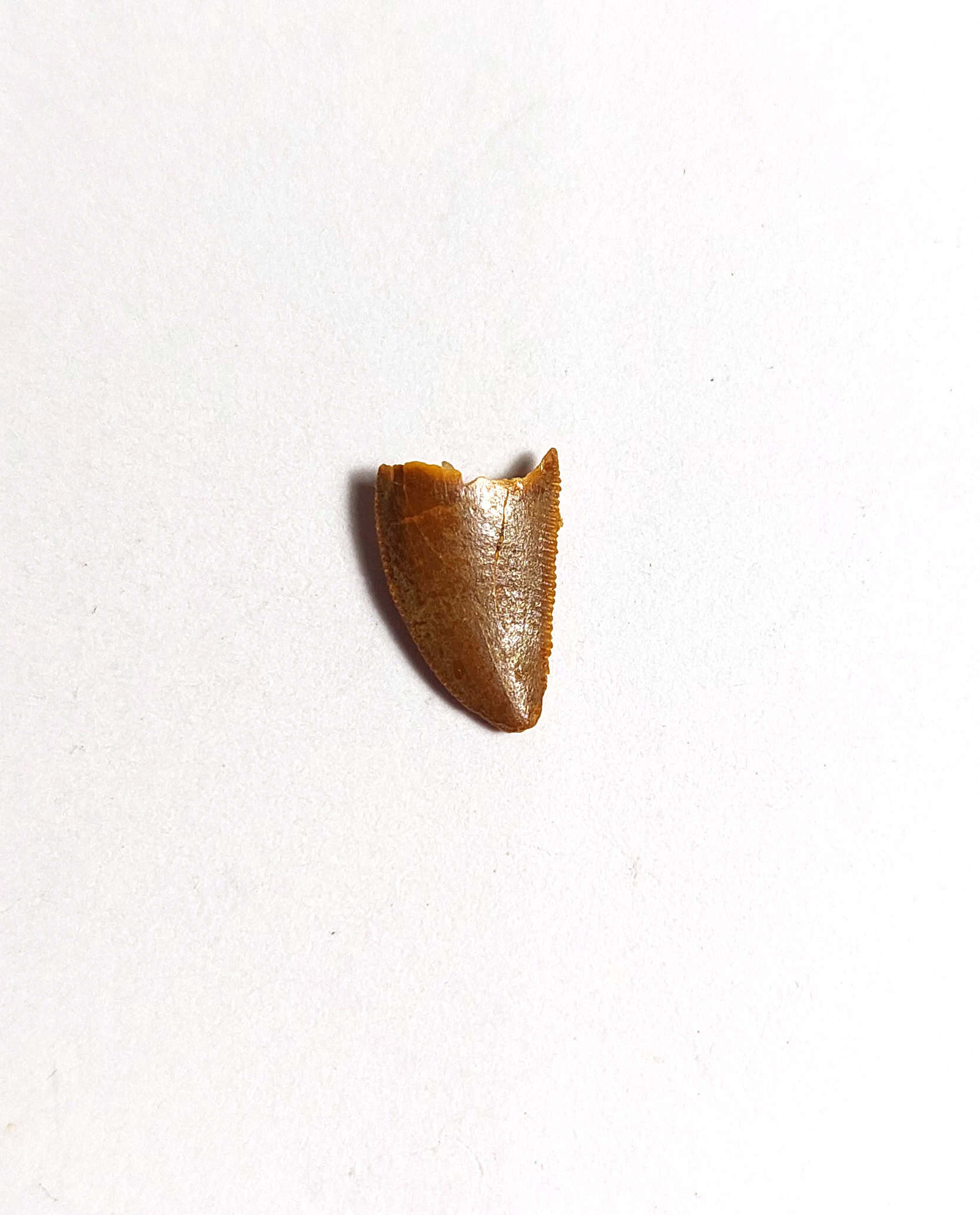
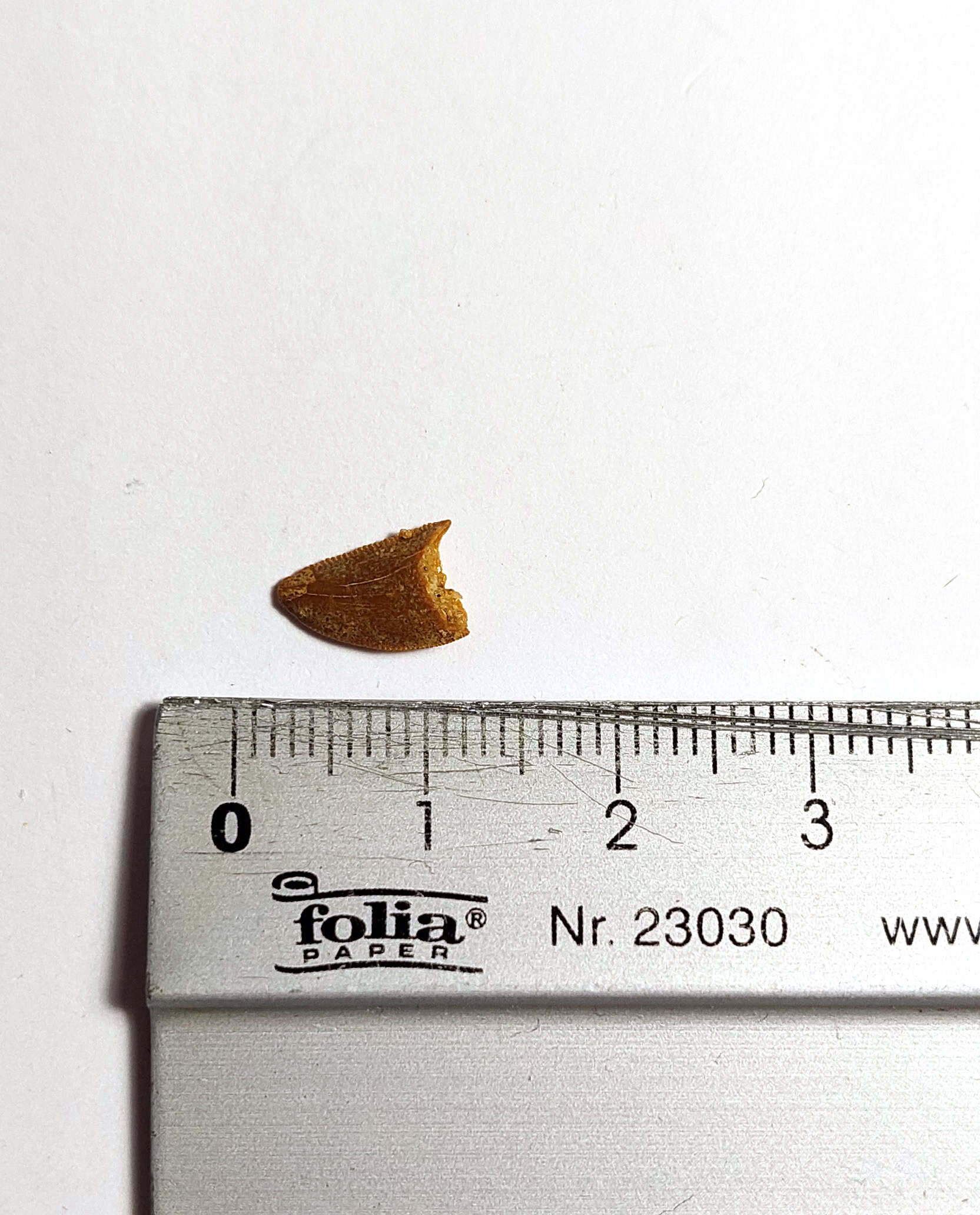
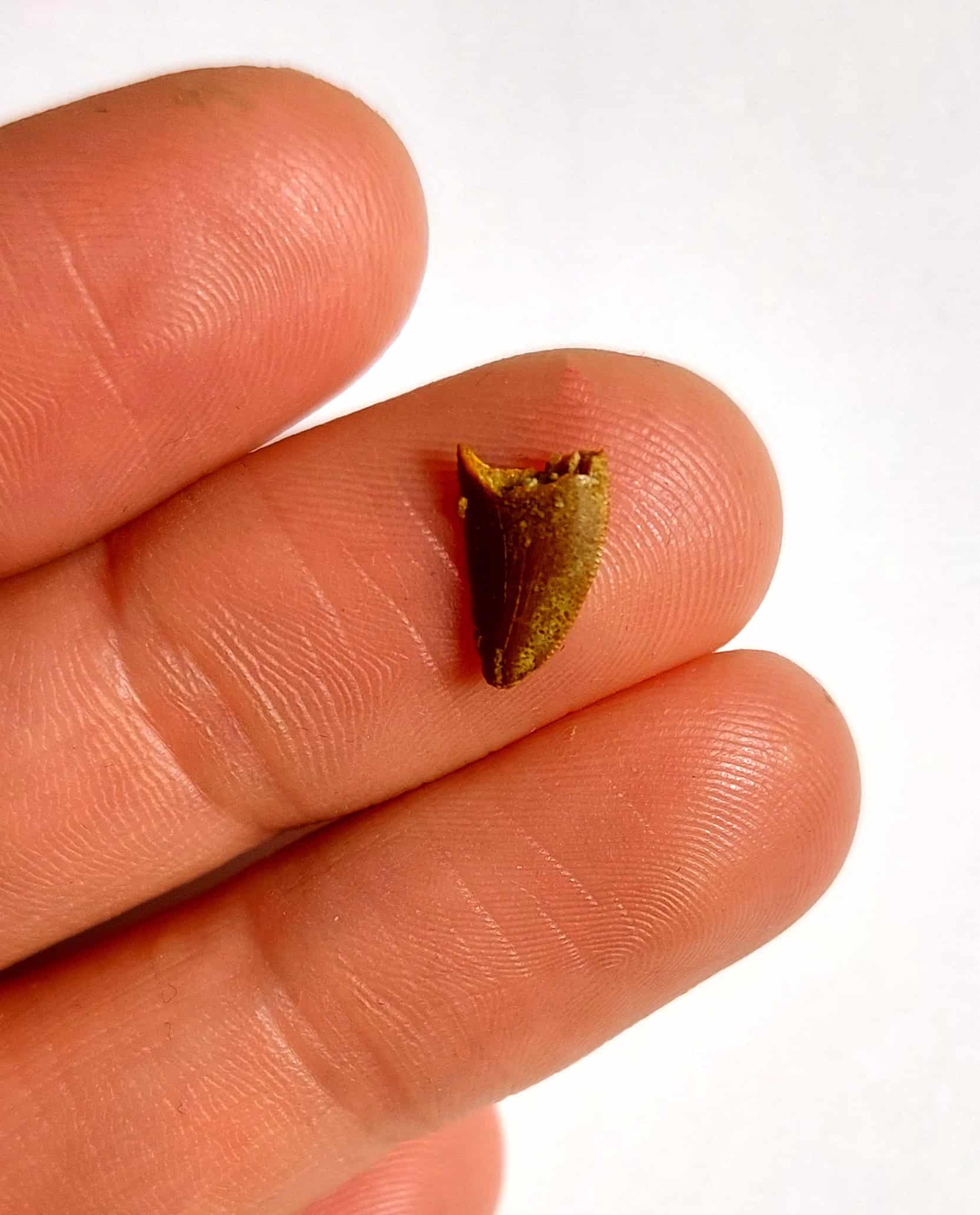
Description
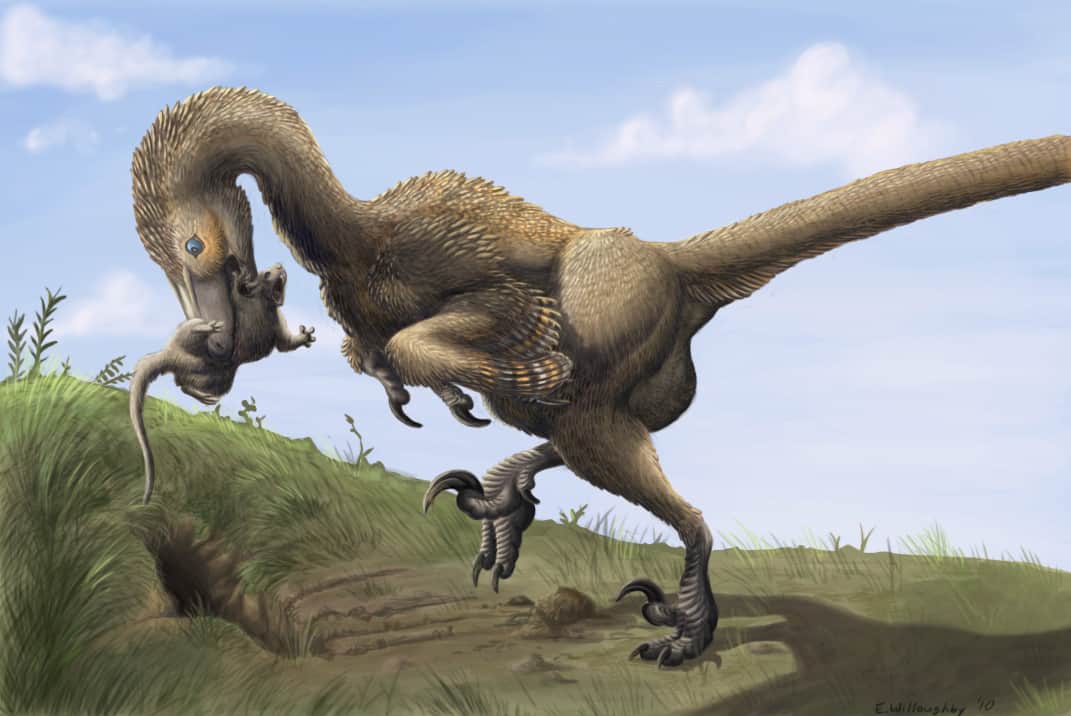
Raptors were carnivorous dinosaurs, members of the family Dromaeosauridae ("running reptiles", in Greek), that lived mainly during the Cretaceous period, about 143–66 million years ago. They were small to medium-sized, feathered dinosaurs that walked on two legs and hunted using their speed, sharp claws, and serrated teeth. They may have hunted in groups. Among the famous features of raptors is the oversized claw on their feet, which was probably used to attack prey and climb trees. Raptors and modern-day birds share a common ancestor.
Famous raptor genera include: Velociraptor, Utahraptor and Deinonychus. Fossilized teeth attributed to the Dromaeosauridae family have been discovered in Morocco, suggesting the presence of such dinosaurs in this region as well. The identification of these teeth is still debated in the scientific literature. Further discoveries, especially skeletal remains associated with the teeth, are needed to more precisely establish which animals they belonged to and to learn more about their appearance and lifestyle.
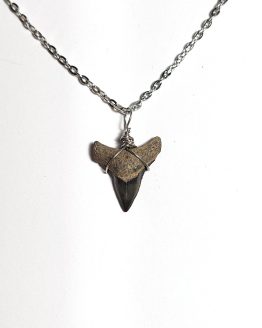
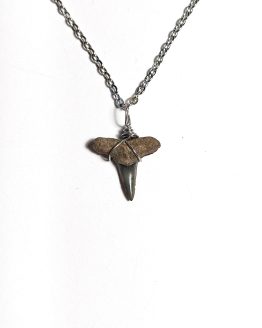
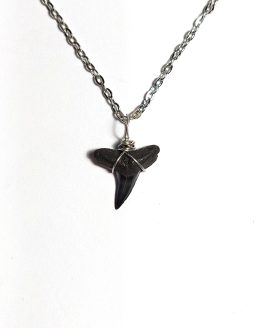
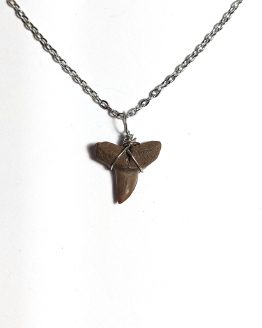
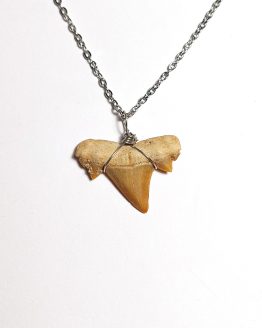
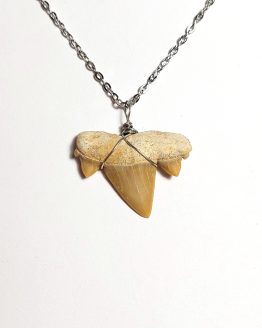
Raptors' teeth were sharp and serrated, adapted for tearing flesh. Like many other reptiles, raptors replaced their teeth repeatedly throughout their lives.
Abelisaurs (“Abel’s lizard” – the family Abelisauridae) were a group of medium-sized, predatory theropod dinosaurs that lived mainly during the Cretaceous period (about 145 million years ago to 66 million years ago) in what is now South America and Africa.
Abelisaurs were bipedal carnivores that reached between 5 and 12 meters in length, depending on the species. They had two very short hands, with 4 fingers on each hand, and a tall and short skull, which could have various ornaments (hard ridges on the snout and above the eyes, horns, bony protrusions, etc.). These ornaments probably had a role in intimidation or identification of members of the species.



Reviews
There are no reviews yet.