


Description
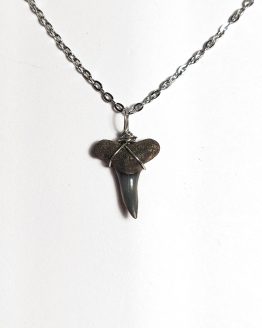
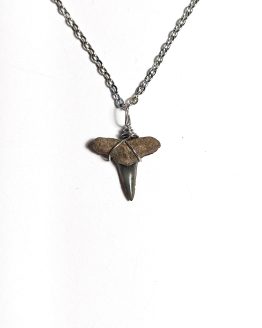
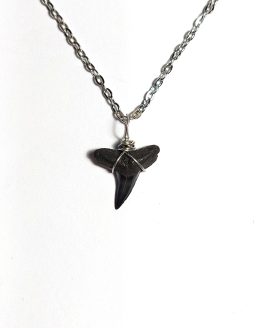
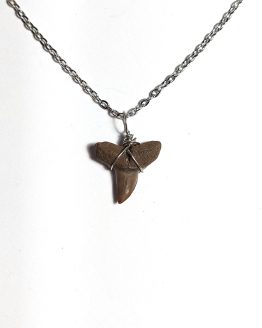
Raptors were carnivorous dinosaurs, members of the family Dromaeosauridae (“running reptiles” in Greek), which lived mainly during the Cretaceous, approximately 143–66 million years ago. They were small to medium-sized feathered dinosaurs that walked on two legs and hunted using their speed, sharp claws and serrated teeth. They may have hunted in groups. Their characteristic enlarged foot claw was probably used to attack prey and climb trees. The family Dromaeosauridae is believed to share a common ancestor with modern birds.
Among the famous genera of raptors are: Velociraptor, Utahraptor and Deinonychus. In Morocco there was a species of raptor whose teeth are frequently found by local fossil hunters. Unfortunately, in the case of the Moroccan raptor, mostly only teeth have been discovered, so its exact appearance and other physiological characteristics can only be theorized based on its belonging to the family Dromaeosauridae.
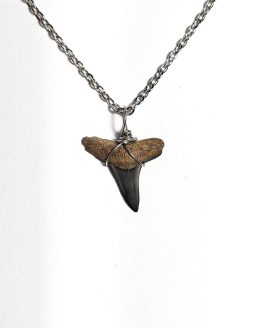
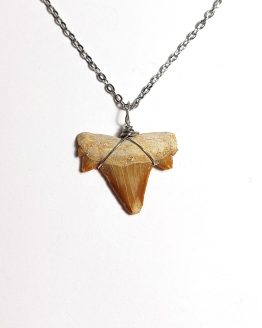
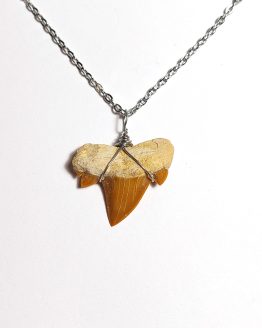
Raptors' teeth were sharp and serrated, optimized for tearing flesh. As with other reptiles, raptors replaced their teeth very frequently during their lives, even weekly.
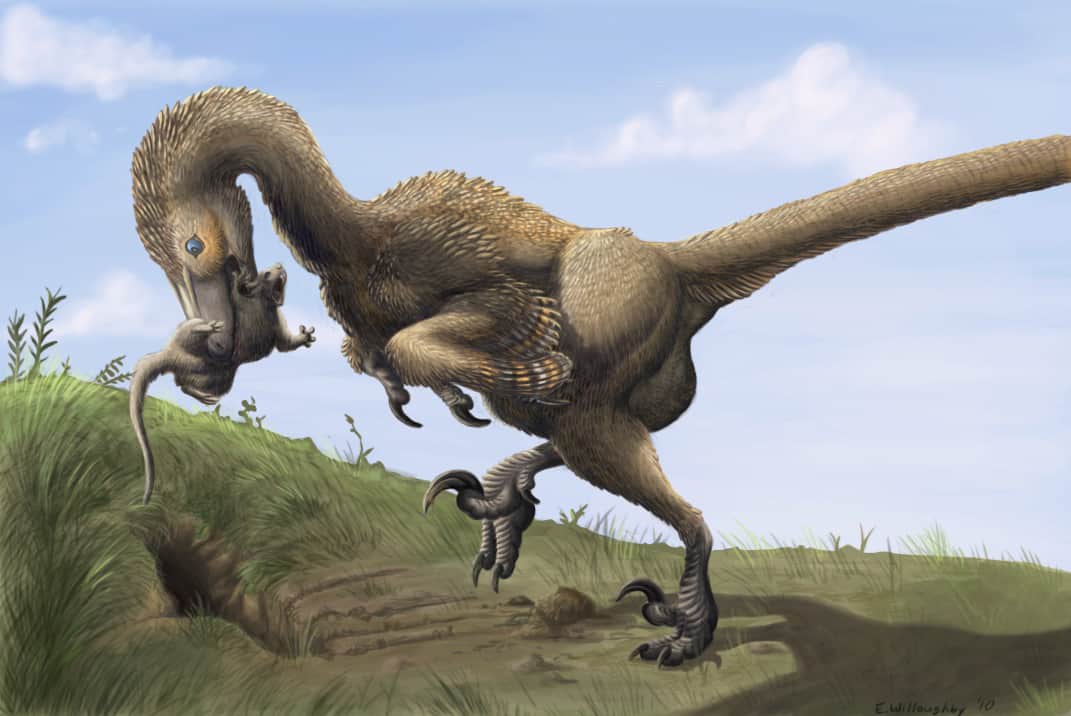
Abelisaurs (“Abel’s lizard” – the family Abelisauridae) were a family of medium-sized, predatory theropod dinosaurs that lived mainly during the Cretaceous period (approximately 145–66 million years ago) in what is now South America and Africa.
Abelisaurs were bipedal carnivores that reached 5–12 metres in length, depending on the species. They had very short forelimbs, with four digits on each hand, and a tall, short skull that could bear various ornaments, including bony ridges on the snout and above the eyes, horns and other bony projections. These ornaments may have served to intimidate rivals or help individuals recognise members of their own species.



Reviews
There are no reviews yet.