Out of Stock

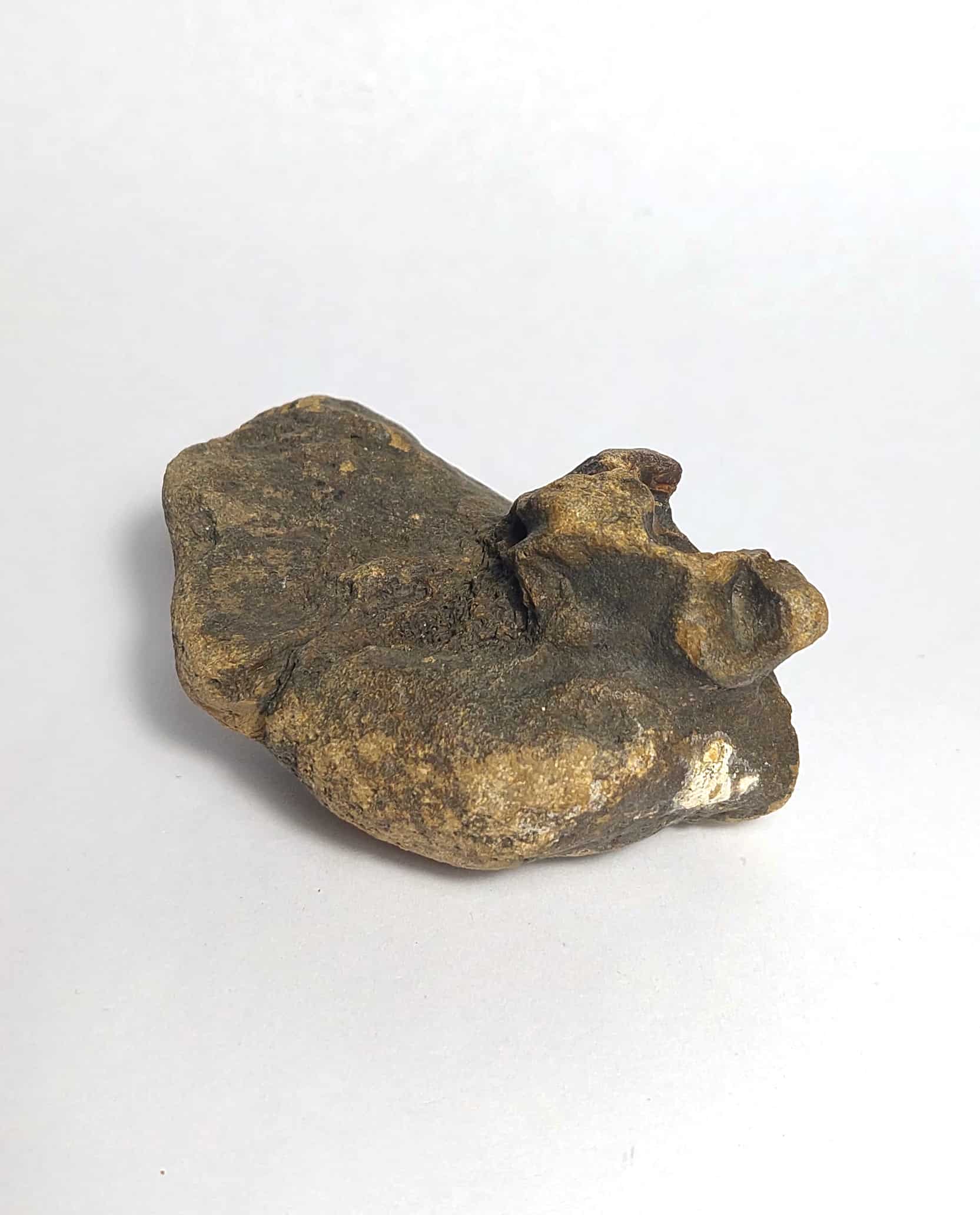
Authentic fossilized whale inner ear bone · 8.0 cm long

15 million years old · Miocene · Belgium

RON 99,99

Authentic specimen of fossilized inner ear bone of a whale (most likely a sperm whale, Physeter sp.) from Belgium, approximately 15 million years old. It comes with a Certificate of authenticity signed by a professional geologist who examined the specimen. The periotic bone houses the inner ear structures involved in hearing and balance. In whales and dolphins, it forms part of an auditory system adapted to life in water. Its shape can help researchers identify and compare different groups of cetaceans. An excellent gift for anyone interested in palaeontology and marine life!

Due to its age, the specimen may have imperfections and repaired areas (glued sections) which are perfectly normal and often unavoidable for a fossil this old, but it is in good overall condition. Please study the product photographs carefully to assess the specimen’s natural imperfections and any repairs.

Click here for more general information about fossils

Specimen: fossilized inner ear bone of a whale (most likely a sperm whale, Physeter sp.)

Age: approximately 15 million years old, Miocene epoch

Dimensions: approximately 8.0 cm long (please see the photo showing the specimen next to a ruler or held in a hand to get an idea of its size)

Country of origin: Antwerp, Belgium

The product consists of a single authentic fossilized inner ear bone of a whale, the exact one shown in the photos above, and comes accompanied by a brochure containing specific geological and paleontological information, as well as a Certificate of Authenticity signed by a professional geologist who examined the specimen

Out of stock

SKU: bulabal2 Category: Tags: , ,

Description

Whales are marine mammals in the cetacean group, which also includes dolphins. Although they spend their lives in water, they breathe air through their lungs and must return to the surface to inhale. They give birth to young that they feed with milk, and their elongated bodies, flippers and powerful tails are adapted for movement through water.

Food and feeding methods differ between groups. Instead of teeth, baleen whales have plates of keratin hanging from the upper jaw. These act as a filter, retaining food while water is expelled from the mouth. Depending on the species, whales eat krill, other small crustaceans or schooling fish.

Toothed cetaceans, including sperm whales and dolphins, capture individual prey animals. Their teeth help them grasp and hold their prey, and their diet may include fish, squid and other marine animals. Many of these cetaceans use echolocation: they emit sounds and interpret the echoes returning from objects around them to navigate and find food.

The sperm whale (Physeter macrocephalus) is the largest living species of toothed cetacean. It is recognised by its massive head and is known for its deep dives, where it hunts mainly squid, as well as fish. In the darkness of the depths, sounds and their echoes help it detect prey.

Hearing plays an important role in the lives of cetaceans. The ear bones, including the periotic bone, form part of an auditory system adapted to the aquatic environment. Preserved as fossils, these bones give researchers clues about the anatomy and diversity of whales and dolphins from the past.

Eubalaena australis whale
Modern Southern Right Whale Eubalaena australis – author Michaël Catanzariti, Wikipedia – image is strictly for illustrative purposes and is not part of the product

Reviews

There are no reviews yet.

Be the first to review “Os ureche internă fosilizat autentic de balenă, 8,0 cm lungime, 15 mil ani, Miocen, Belgia”

Your email address will not be published. Required fields are marked *


Fossil jewelry

0
0
Your Cart
Your basket is empty