Hatzegopteryx is a gigantic prehistoric flying reptile discovered in the Hațeg area of Romania. It lived 71–65 million years ago, at the end of the Cretaceous, and had a wingspan of 10–11 meters – the size of a small airplane.
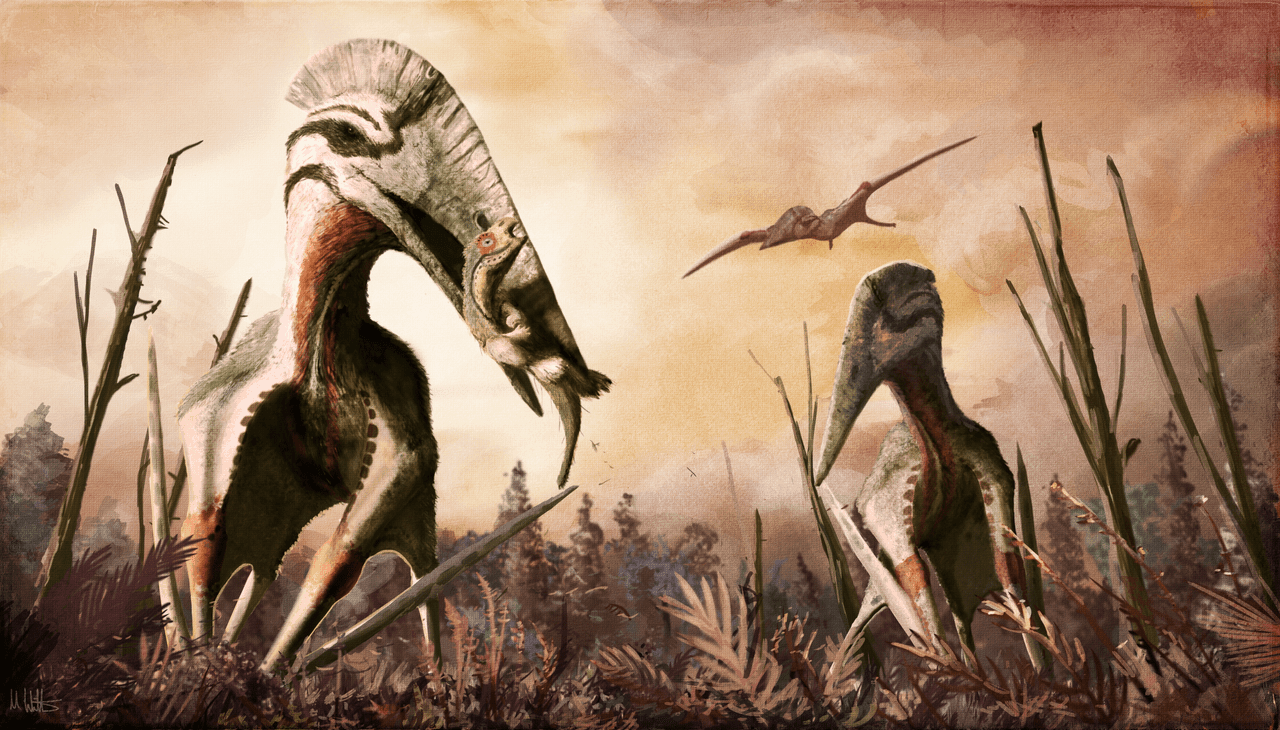
During the Cretaceous period, 145.5 – 65.5 million years ago, the Earth had a different distribution of oceans and continents than it does today. The Hațegul area in Transylvania was then an island in a prehistoric sea called Tethys. On this island lived dinosaurs that, due to limited resources, became smaller than normal, suffering from a form of "island dwarfism", but they were, in all other respects, similar to other dinosaurs on the mainland.
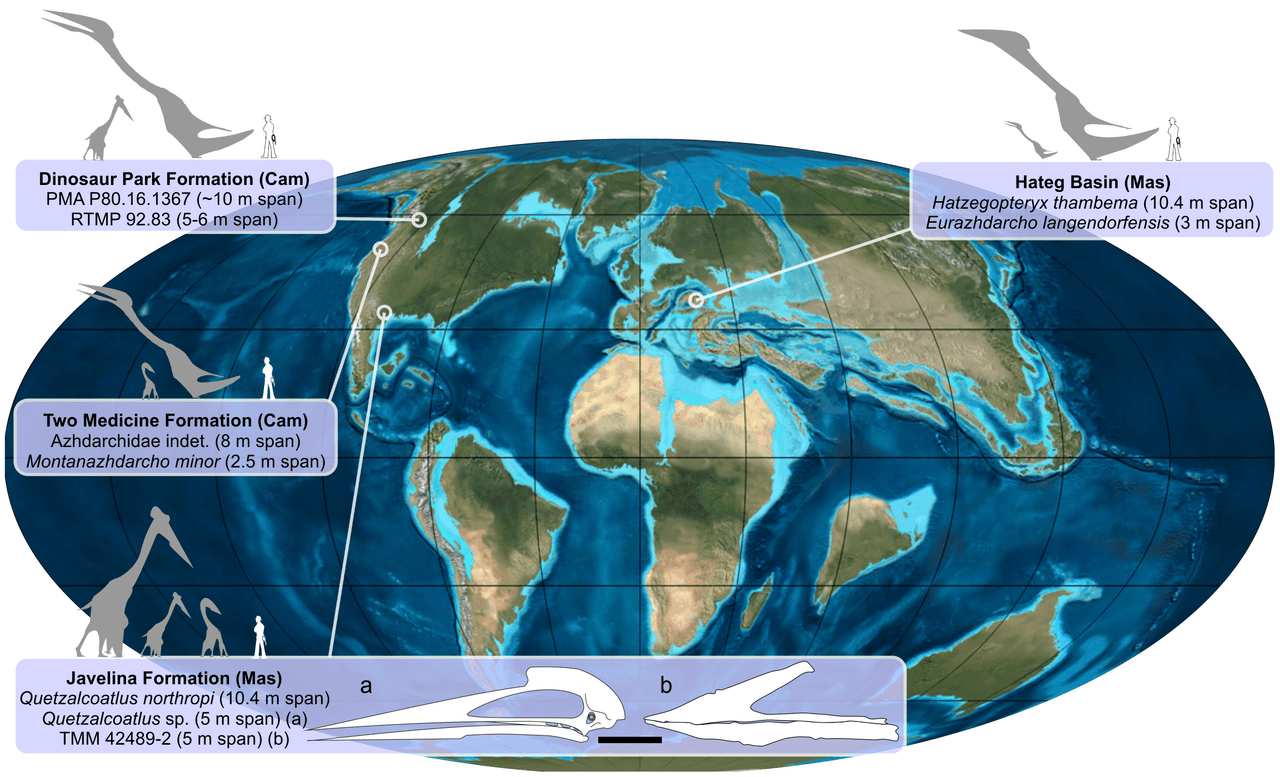
Also due to the special conditions given by the restricted ecosystem on the island, the pterosaurs (flying reptiles) from Hațeg Island suffered a form of “island gigantism”, becoming much larger and taking on the role of top predators. Thus appeared Hatzegopteryx, an azhdarchid pterosaur and one of the largest flying animals ever to exist.
With a wingspan of 10–11 metres, comparable to that of a small aircraft, Hatzegopteryx It flew over the skies of Hateg Island and fed on a wide range of dinosaurs, including dwarf titanosaurs and local species of iguanodon. A specific feature was its 3-meter-long skull, one of the largest skulls of a non-aquatic animal. In order to fly with such a skull, the bone tissue had an aerated structure, full of empty alveoli that reduced the weight of the head without compromising its hardness. The jaw bones indicate that it had a much larger mouth opening than other giant pterosaurs, and the neck vertebrae suggest that it had a strong and muscular neck, with which it could attack and lift animals much heavier than itself.
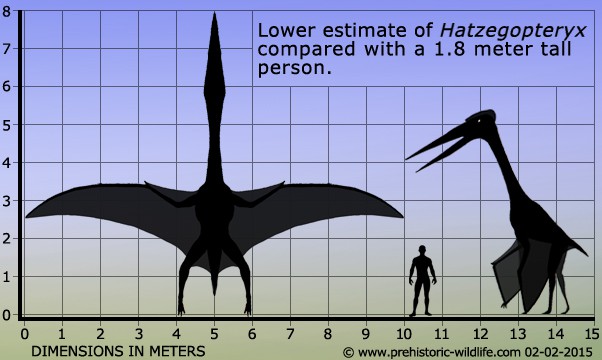
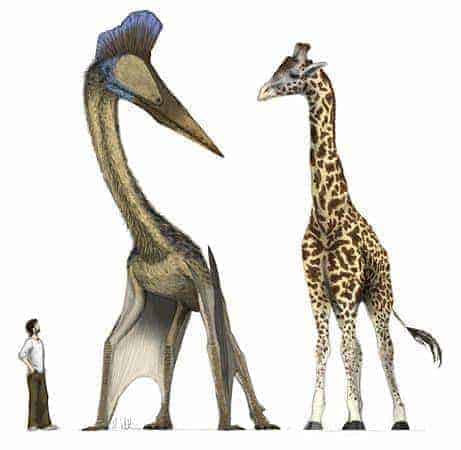
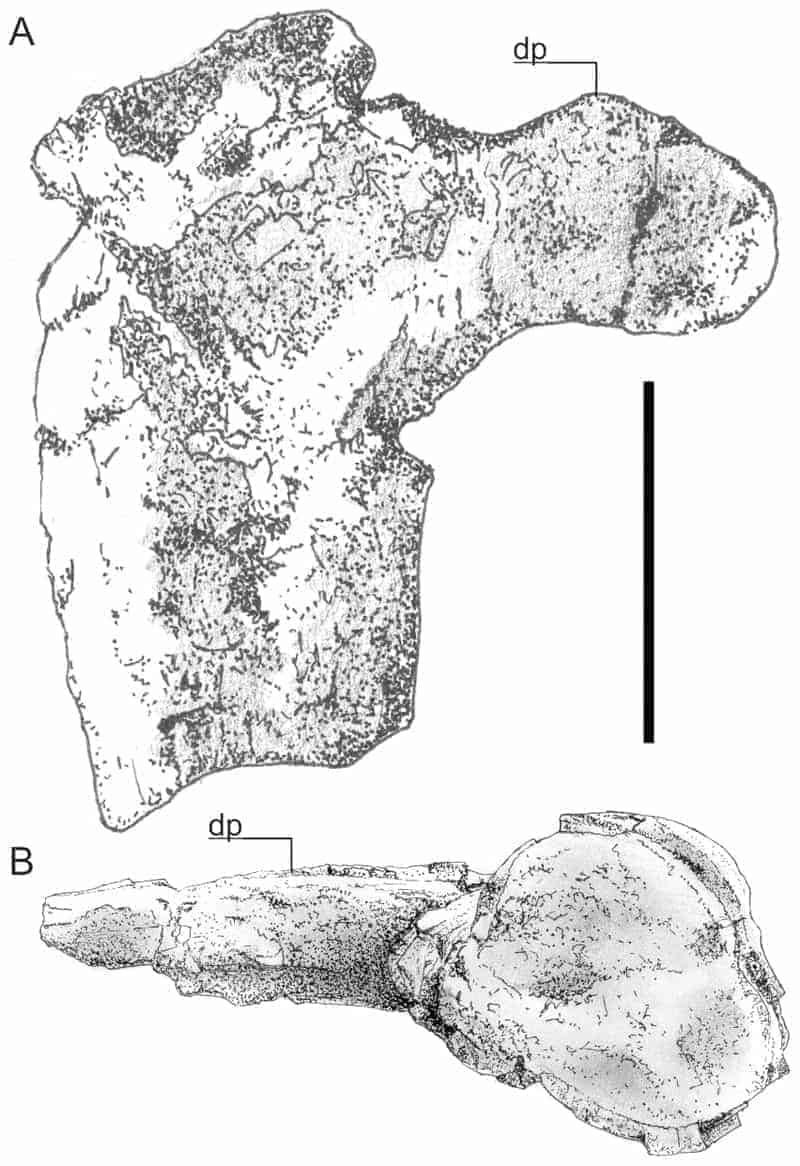
Unfortunately, his reconstruction Hatzegopteryx It was made based on incomplete remains (fragments of the skull, the vertebrae of the neck, the left humerus – the bone in the upper arm), and much about the animal still remains unknown or speculative, but the dimensions of the discovered fossils indicate without a doubt that it was one of the largest flying animals of all time, if not the largest.

Unfortunately, Mark Witton's reconstructions are rather imaginative. The information he uses is very limited and second-hand. Pterosaur fossils, both in Hateg and especially in the Sebes area, are numerous (many still unpublished), and include several partial skeletons that demonstrate that there were at least three species, two of which were large - gigantic. At the same time, the giant pterosaur fossils from Sebes indicate that they had probably lost their ability to fly. The skull was no longer than 1.6 m, and it certainly did not feed on various dinosaurs, but rather was omnivorous, and could hunt small vertebrates at most (aquatic turtles), could swallow dinosaur eggs (megaloolithus), or could complete its menu with remains of corpses from larger animals.
Thank you very much for the message and for the clarifications and we apologize for the late response! We will study the problem further and will come back with an article based on other sources! If you can recommend some studies for documentation, that would be excellent!