Chinese palaeontologists have made a remarkable discovery: a dinosaur tail exceptionally well preserved in amber. The specimen appears to be more than 99 million years old.

On 9 December 2016, CNN reported a discovery that attracted worldwide attention: a dinosaur tail exceptionally well preserved in amber, one of the most significant recent palaeontological finds.
Chinese palaeontologist Lida Xing discovered the specimen at an amber market in northern Myanmar, near the Chinese border. The piece is approximately the size of a dried peach. The sellers believed that it contained a dried plant and intended it for jewellery production.
The amber, however, contained something quite different. “I realised that it contained a vertebrate, probably a theropod, rather than a plant,”Lida Xing told CNN. “I am not sure how fully the seller understood the specimen’s significance, but the price was not increased.”
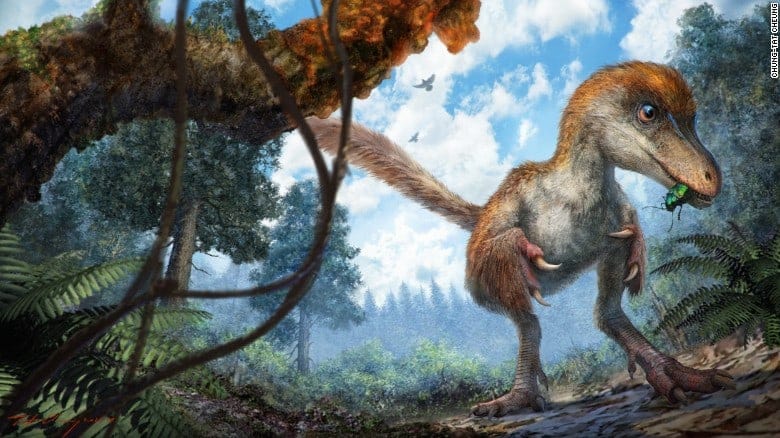
The amber contains a 99-million-year-old dinosaur tail. It belonged to a coelurosaur juvenile, a member of the feathered, bird-like dinosaurs. Although probably no larger than a sparrow, the animal was related to velociraptors and Tyrannosaurus.
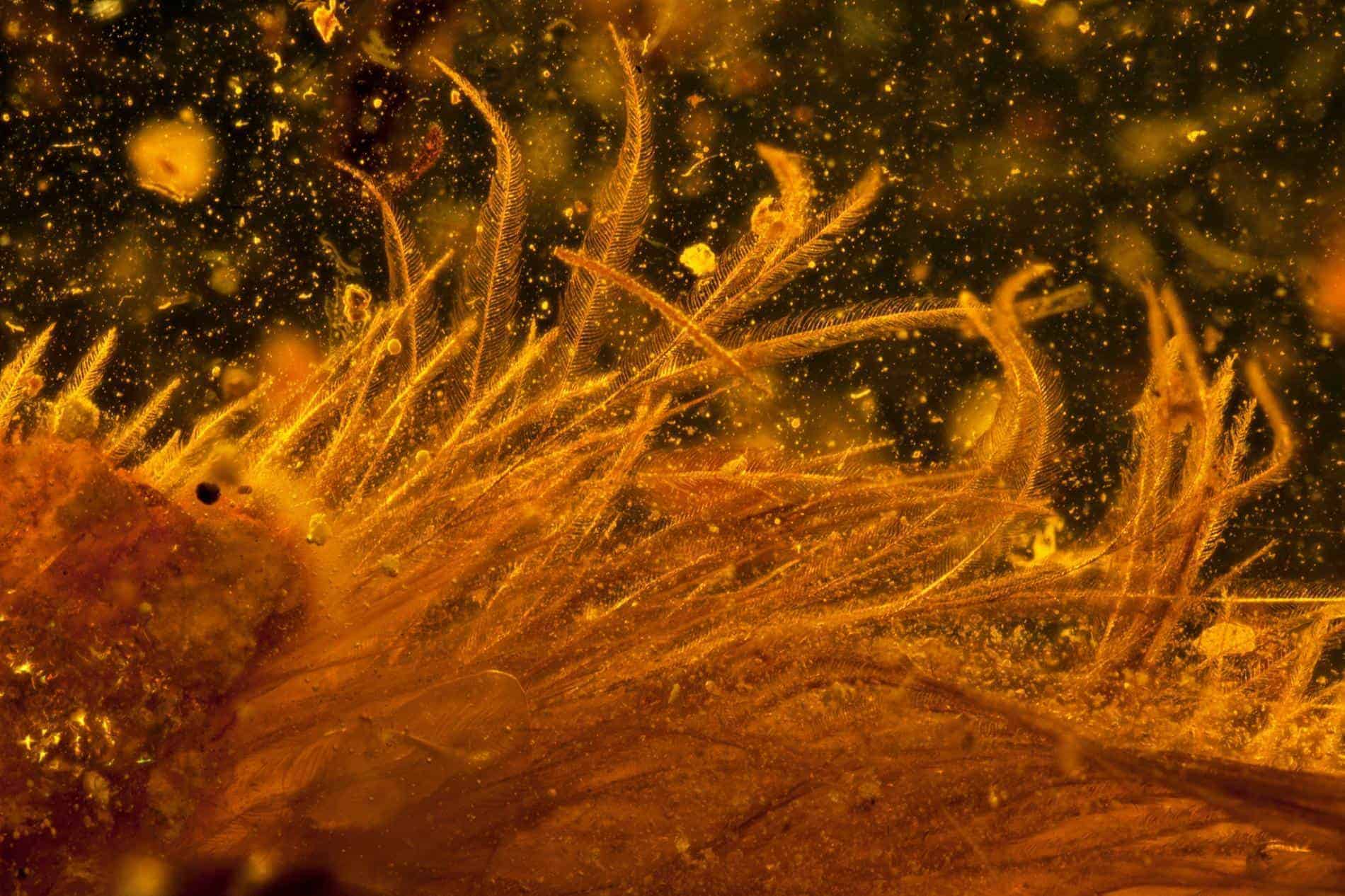
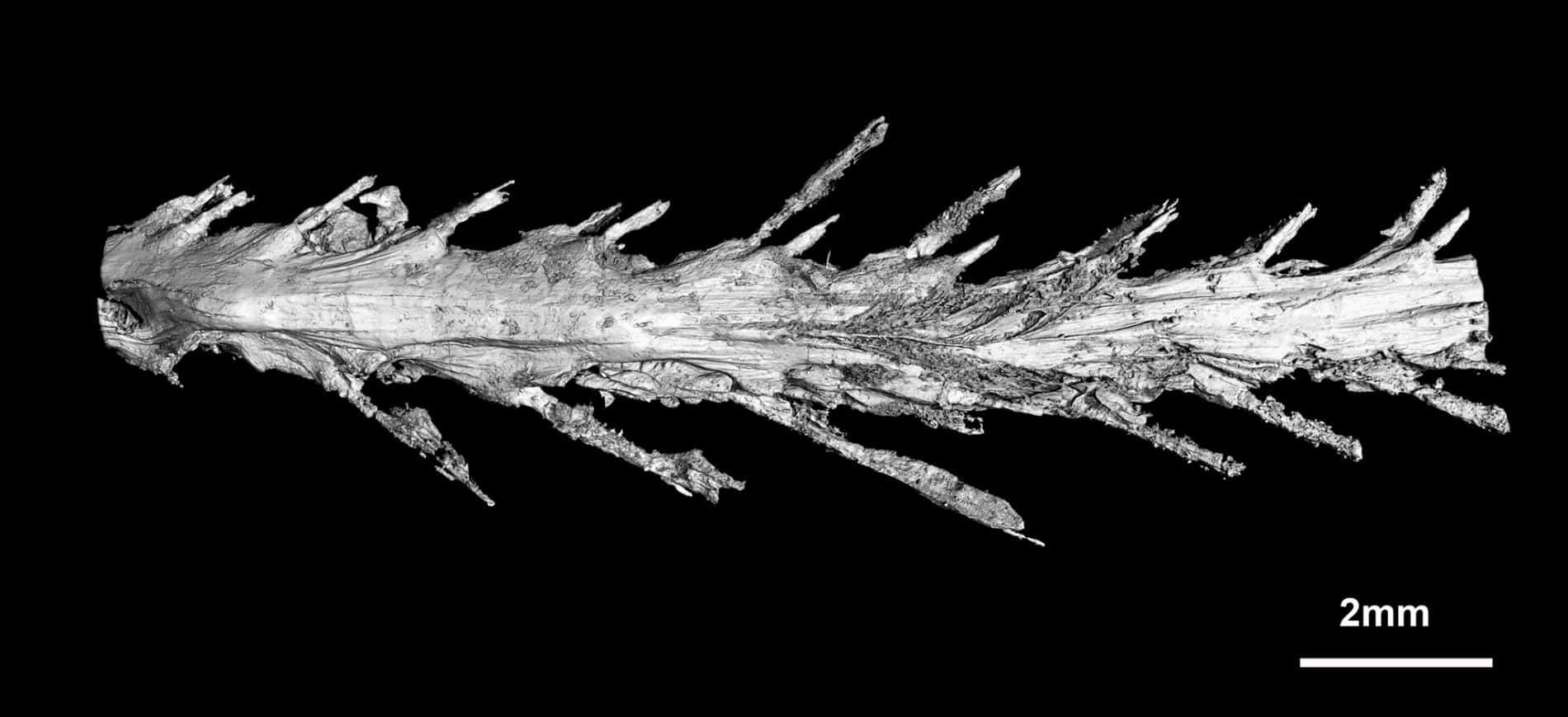
Palaeontologist Ryan McKellar of Canada’s Royal Saskatchewan Museum described it as “a once-in-a-lifetime discovery. Even the finest details are visible in three dimensions.”
McKellar suggested that the animal had a whip-like tail resembling a mouse’s, but covered in feathers. Recent discoveries indicate that some dinosaurs were distinctly bird-like. He concluded: “They were not quite the scaly, Godzilla-like monsters we initially imagined.”
The tail preserved in amber retains some feather pigmentation, allowing researchers to reconstruct aspects of the animal’s appearance. Microscopic examination suggests brown and white colouration.
For those interested in Jurassic Park and dinosaur cloning, McKellar’s answer is clear: “Unfortunately, the answer is still no.” Genetic material in the specimen’s blood and soft tissue has been destroyed.
Although it cannot provide material for cloning, the dinosaur tail is an exceptionally important palaeontological discovery, offering a rare view into the distant past.

Sources: CNN, National Geographic

[…] dinosaur tail perfectly preserved in amber, paleontologists have made another amazing discovery – a bird fossil trapped in […]