For decades, scientists have sought to establish the appearance of the well-known Tyrannosaurus rex. Did it have reptile-like scaly skin, or was it covered in feathers like velociraptors? Recently discovered skin fragments from Tyrannosaurus rex provide evidence relevant to this question.
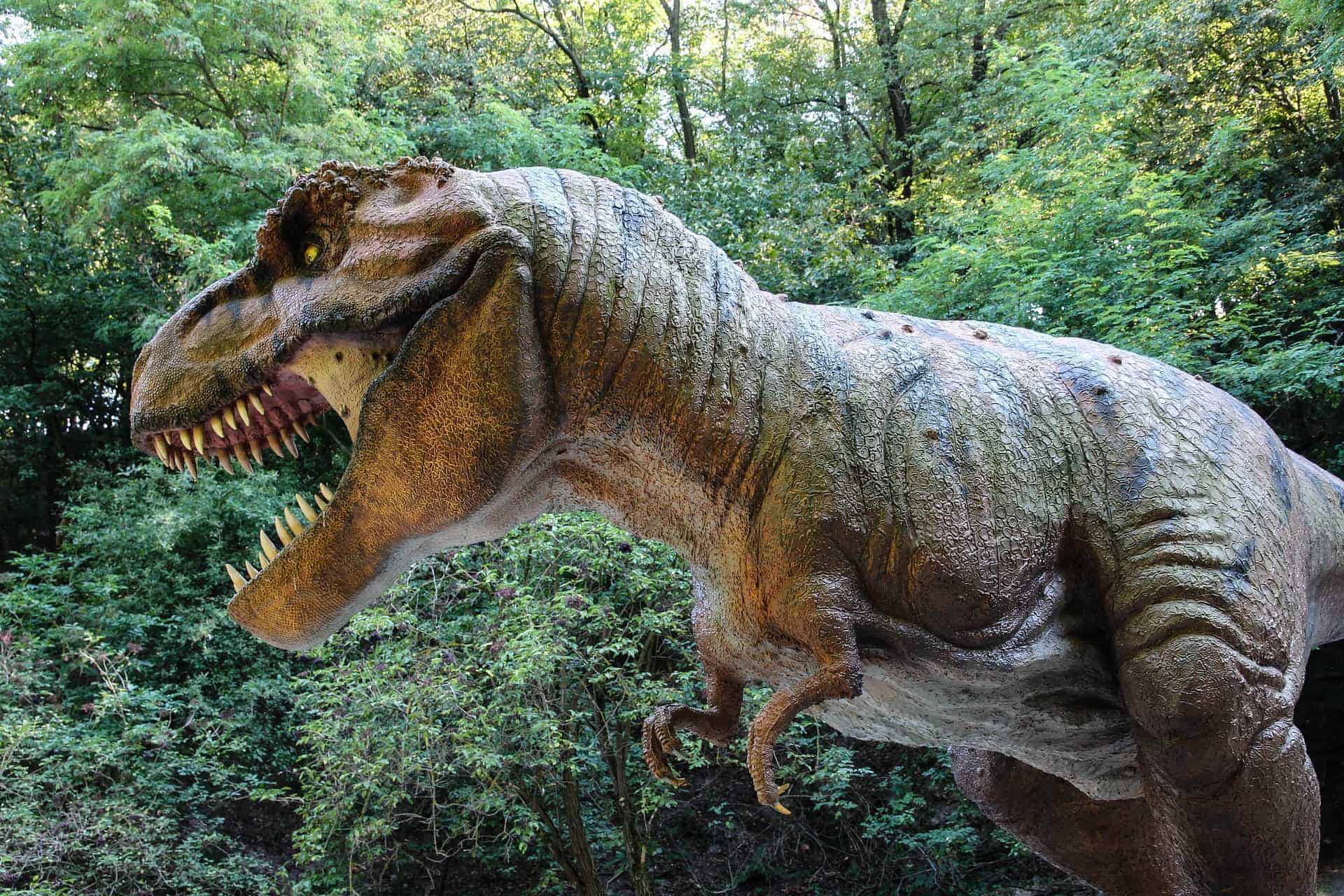
One question has long interested palaeontologists and dinosaur enthusiasts: what did Tyrannosaurus rexactually look like? Birds evolved from dinosaurs, and some dinosaurs, including velociraptors, had feathers. Was this also true of T-Rex?
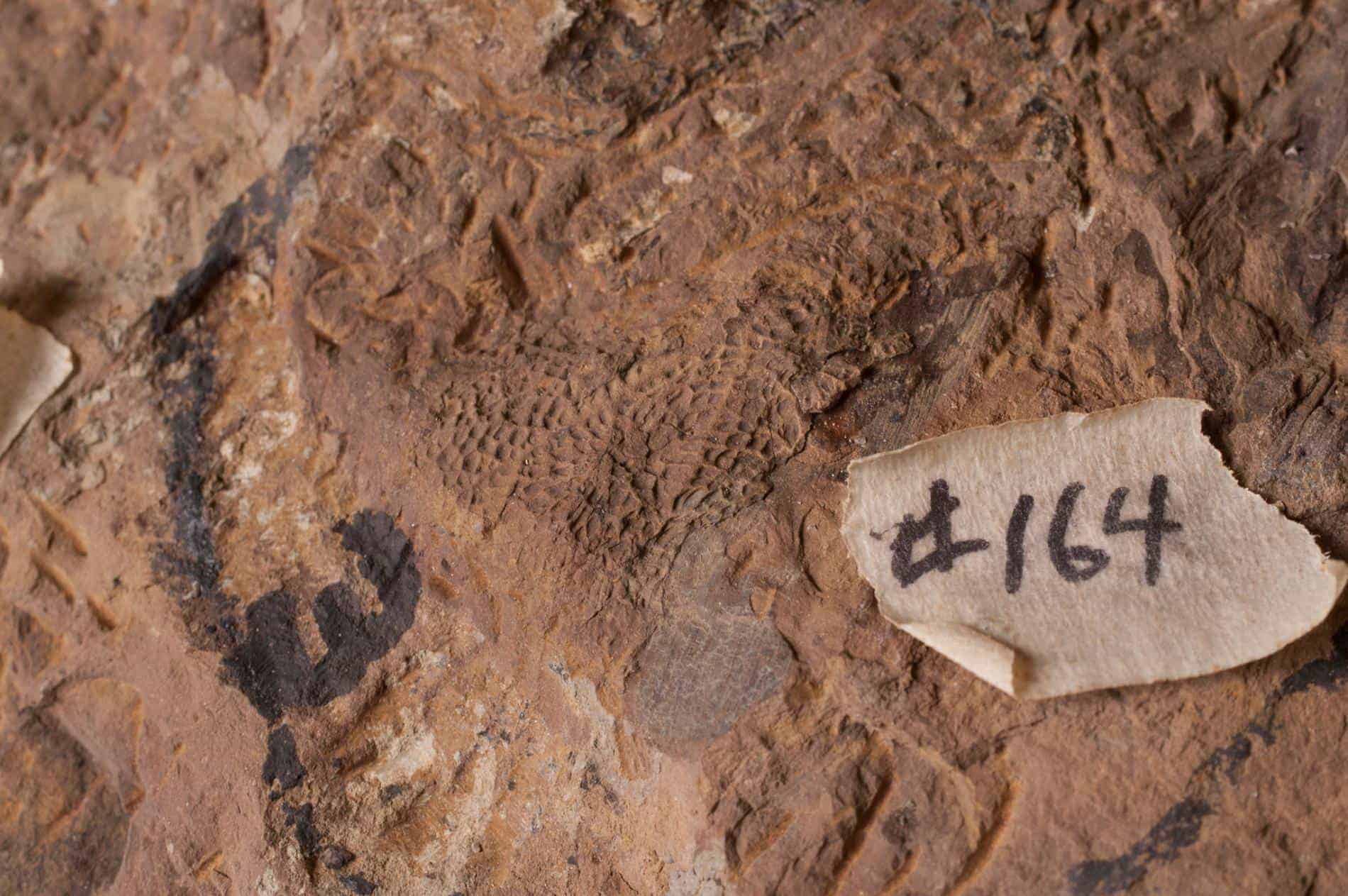
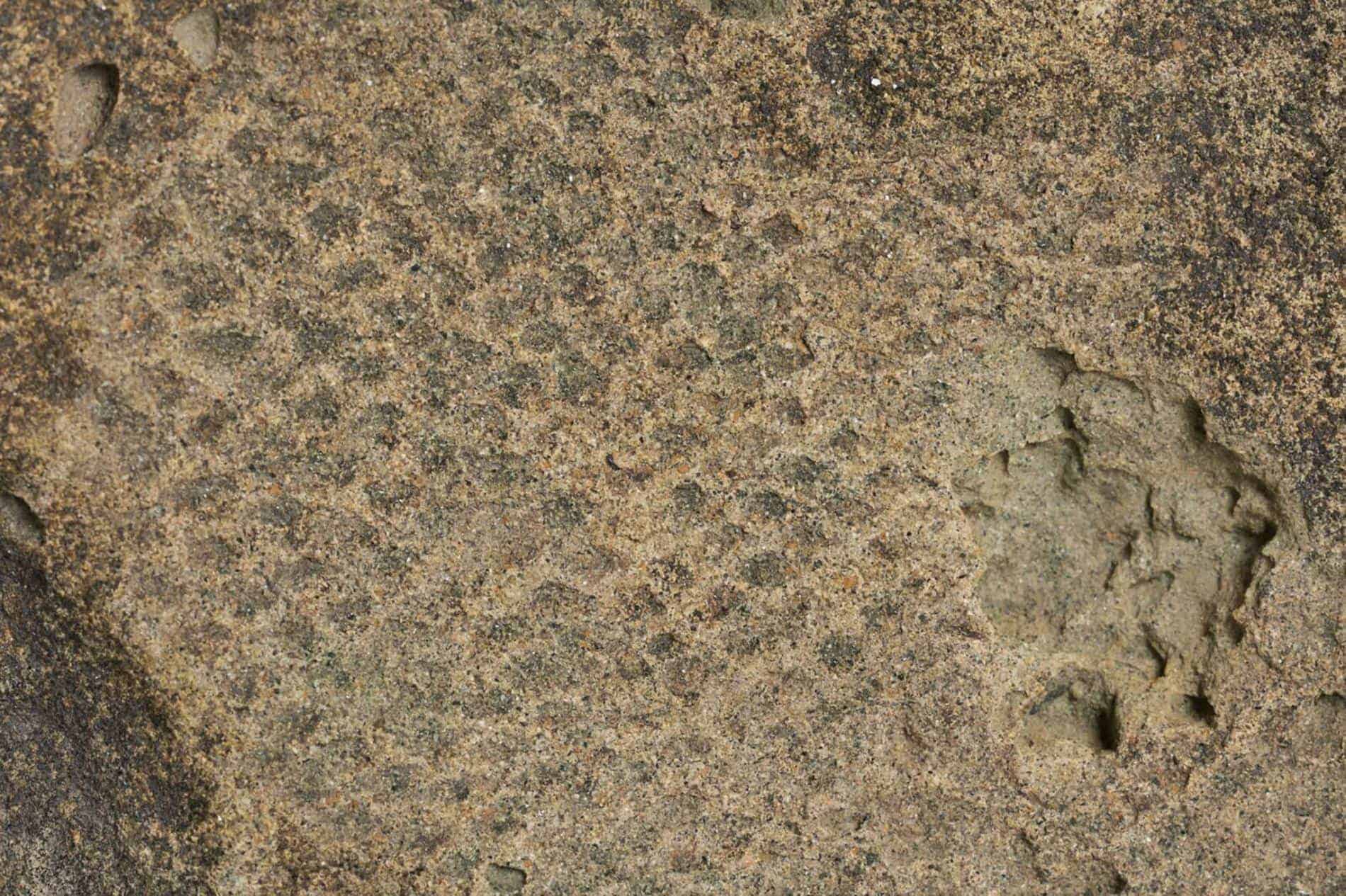
New fossilised skin specimens from Tyrannosaurus rex, discovered in Baker, Montana, may help answer this question. Several skin impressions were compared with specimens from other tyrannosaur species, including Albertosaurus, Daspletosaurus, Gorgosaurus and Tarbosaurus. All these specimens displayed small, pebble-like scales, with no apparent feather covering in the preserved areas.
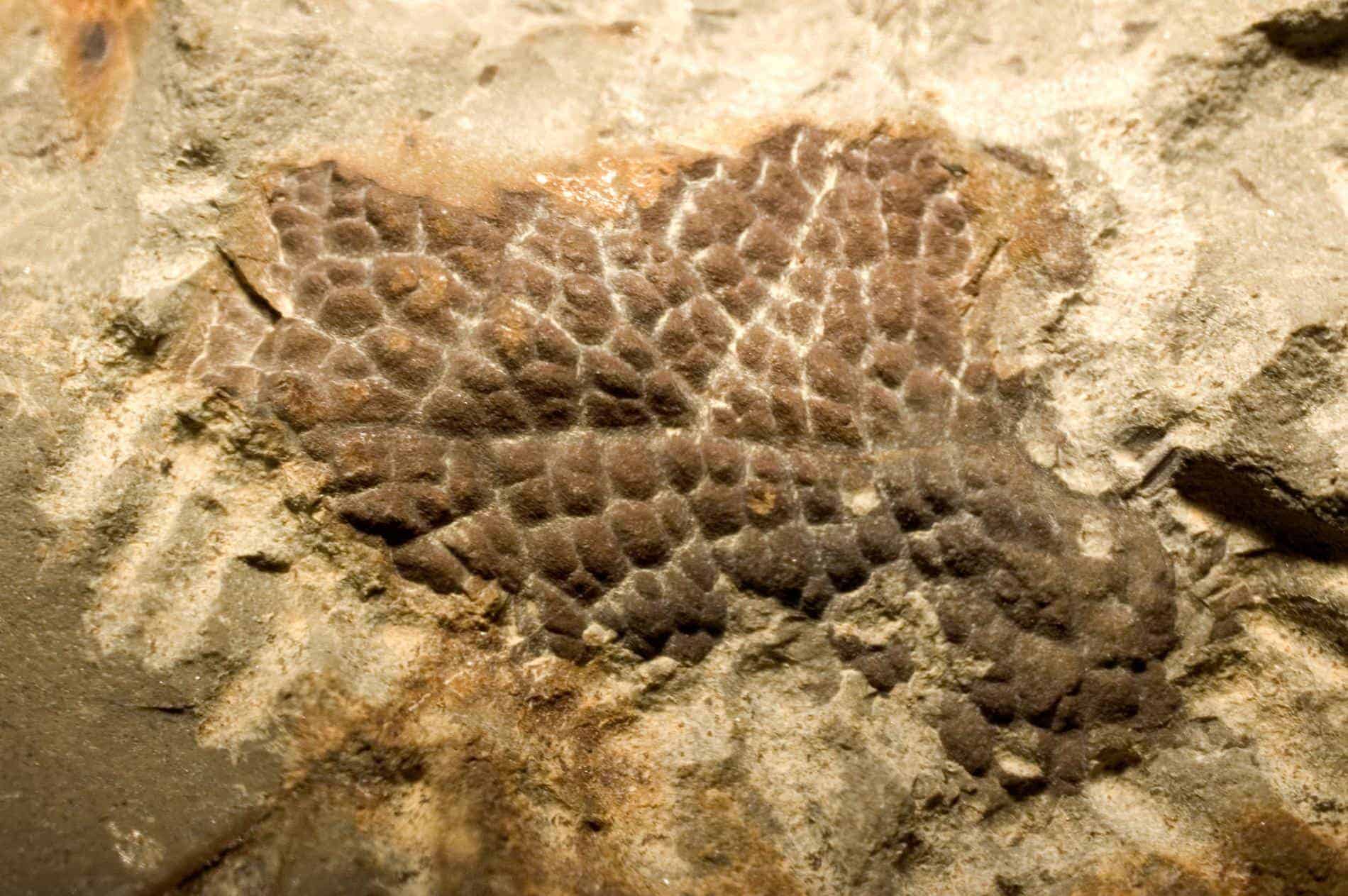
Scott Persons, a palaeontologist at the University of Alberta who studied the specimens, explained: “Now that we have numerous skin samples from Tyrannosaurus representing different parts of the body, it seems clear that at least most of the body of T-Rex was not covered in feathers.” This does not necessarily mean that T-Rex had no feathers at all. If feathers were present, they may have been sparse and widely distributed. The predator was most likely predominantly covered in reptile-like scaly skin.
Earlier tyrannosaurs, however, including ancestors of T-Rex, had feathers. Why did tyrannosaurs evolve feathers and later lose them? The explanation probably relates to their increasing body size.
The well-known Tyrannosaurus rex was among the last tyrannosaur species and was considerably larger than its early relatives. As living animals demonstrate, larger bodies dissipate heat less readily. An insulating feather covering may therefore have been disadvantageous for the giant T-Rex, which had to pursue prey.
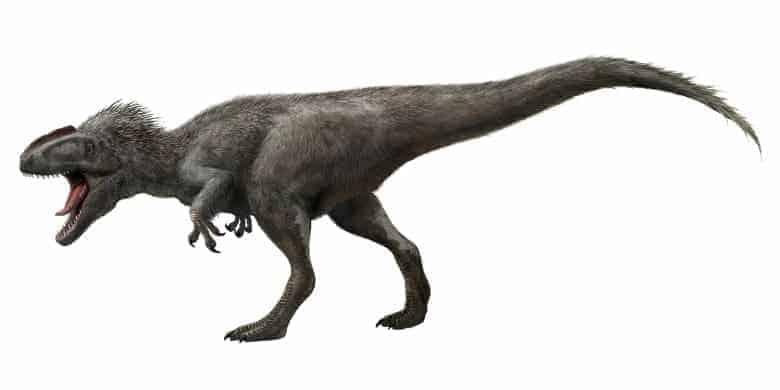
Despite this plausible hypothesis, other tyrannosaurs had extensive feather coverings. One example is Yutyrannus, discovered in what is now China. It was smaller than T-Rexbut larger than Albertosaurus and Gorgosaurus. Yutyrannus had feathers up to 20 cm long over much of its body. Body size alone therefore does not provide a complete explanation.
Although scientists continue to investigate the evolution of feathers in tyrannosaurs, the familiar image of Tyrannosaurus rex appears broadly consistent with the evidence: a large, formidable predator with predominantly scaly skin.
Sources: National Geographic, BBC
