Following the discovery of a dinosaur tail exceptionally well preserved in amber, palaeontologists made another remarkable find: a 100-million-year-old bird fossil preserved in amber. It is the most complete fossil of its kind ever discovered and offers a rare view of the past.

The fossils unearthed by paleontologists around the world are not just interesting study material, but, we could say, a real window into a vanished world. In recent years, remarkable discoveries have been made that have helped us better understand life before us.

A truly unique new fossil has been unearthed in Myanmar – a bird trapped in amber, dating back 100 million years, from the Cretaceous period. The fossil provides the most complete picture yet of a prehistoric bird. Encased in amber, the head, neck, wings, tail and legs of a chick just a few days old have been identified.

Ryan McKellar of the Royal Saskatchewan Museum, Regina, Canada, said: “It’s the most complete and detailed image we’ve ever had. To see something so complete is amazing.”
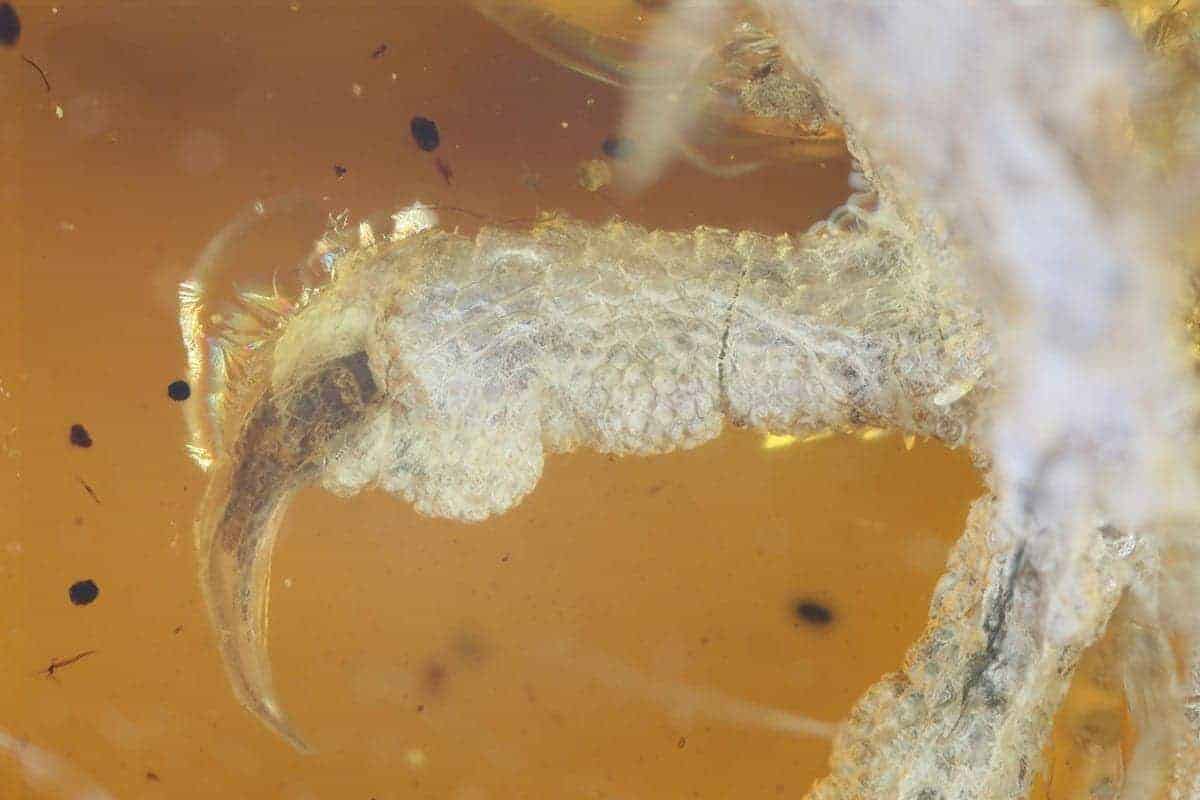
Although it appears that the skin and flesh of the baby bird are preserved in amber, in reality it has preserved a very detailed impression of the animal. The flesh has decomposed into carbon, so there is no trace of DNA left – further proof that the premise of the Jurassic Park movie is invalid. The amber does, however, preserve some of the color of the feathers, which in this case were brown.
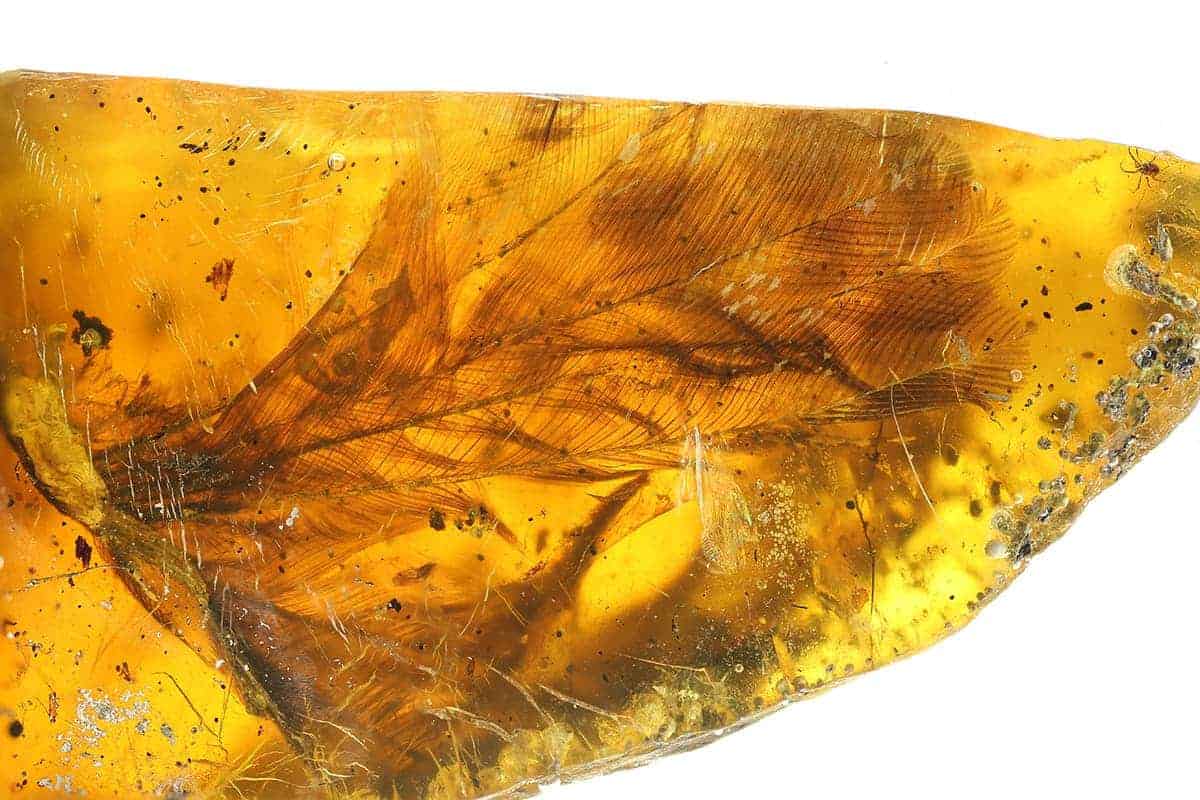
The baby bird belonged to a group called Enantiornithes, or “opposite birds,” which lived alongside the ancestors of modern birds. This group went extinct with the dinosaurs 66 million years ago. Birds were probably born on the ground, with a full set of feathers for flight, and climbed trees until they were sufficiently developed. That’s probably when the unfortunate chick got stuck in the glue secreted by a conifer tree.
Source: New Scientist
